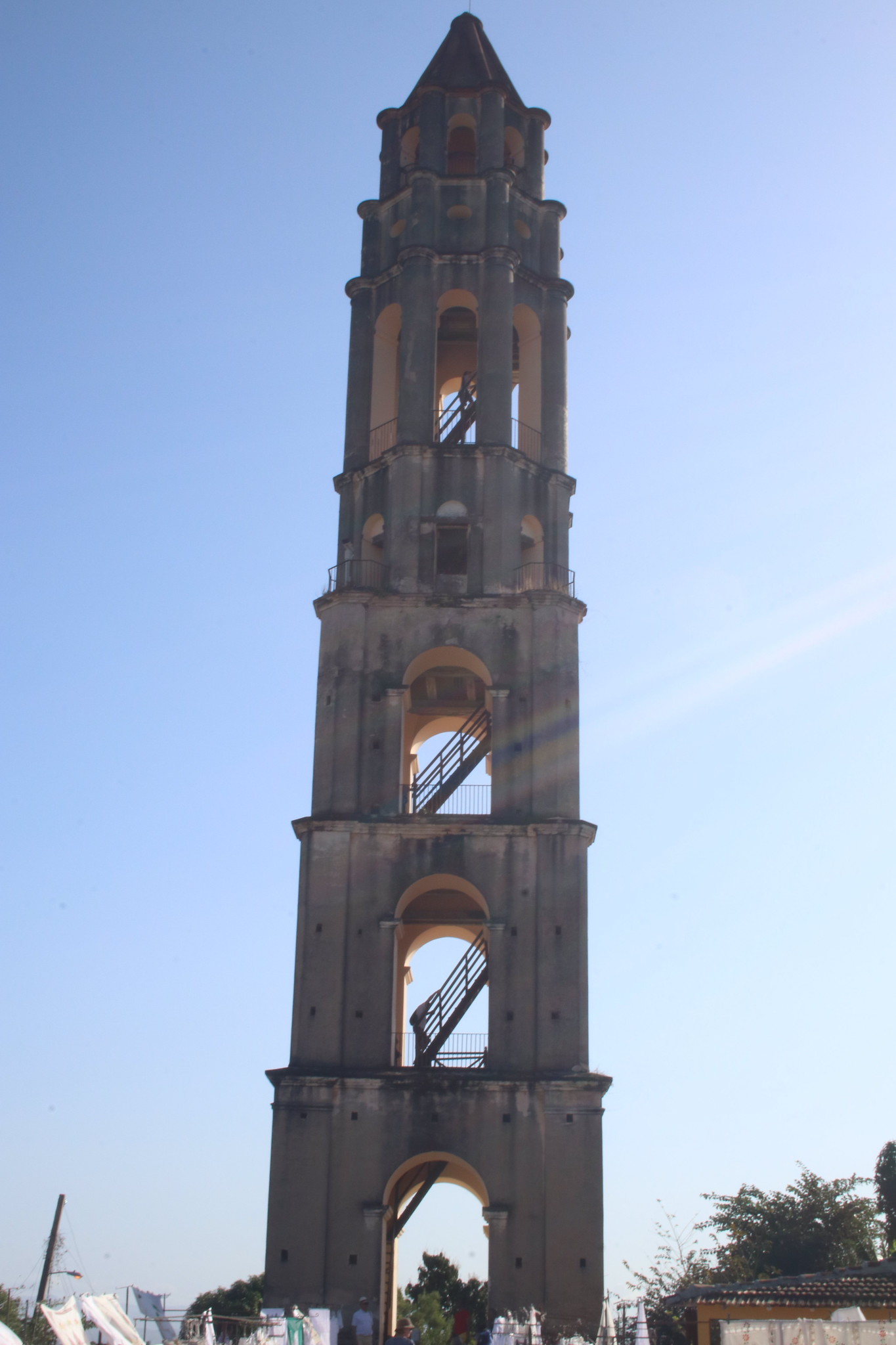
Manaca-Iznaga Tower Valle de los Ingenios 14-2-20
Having seen how the wealth was spent in Cienfuegos we now move onto discover how it was accumulated by the labour of the inevitable slaves in the sugar plantations in the central area of Cuba. Symbolic of the control which was exerted is the Manaca-Iznaga Tower from which the overseers could watch large numbers at work in the sugar plantations and ensure that they were indeed working. It was built in 1750 and the bell is retained separately at the bottom of the tower.
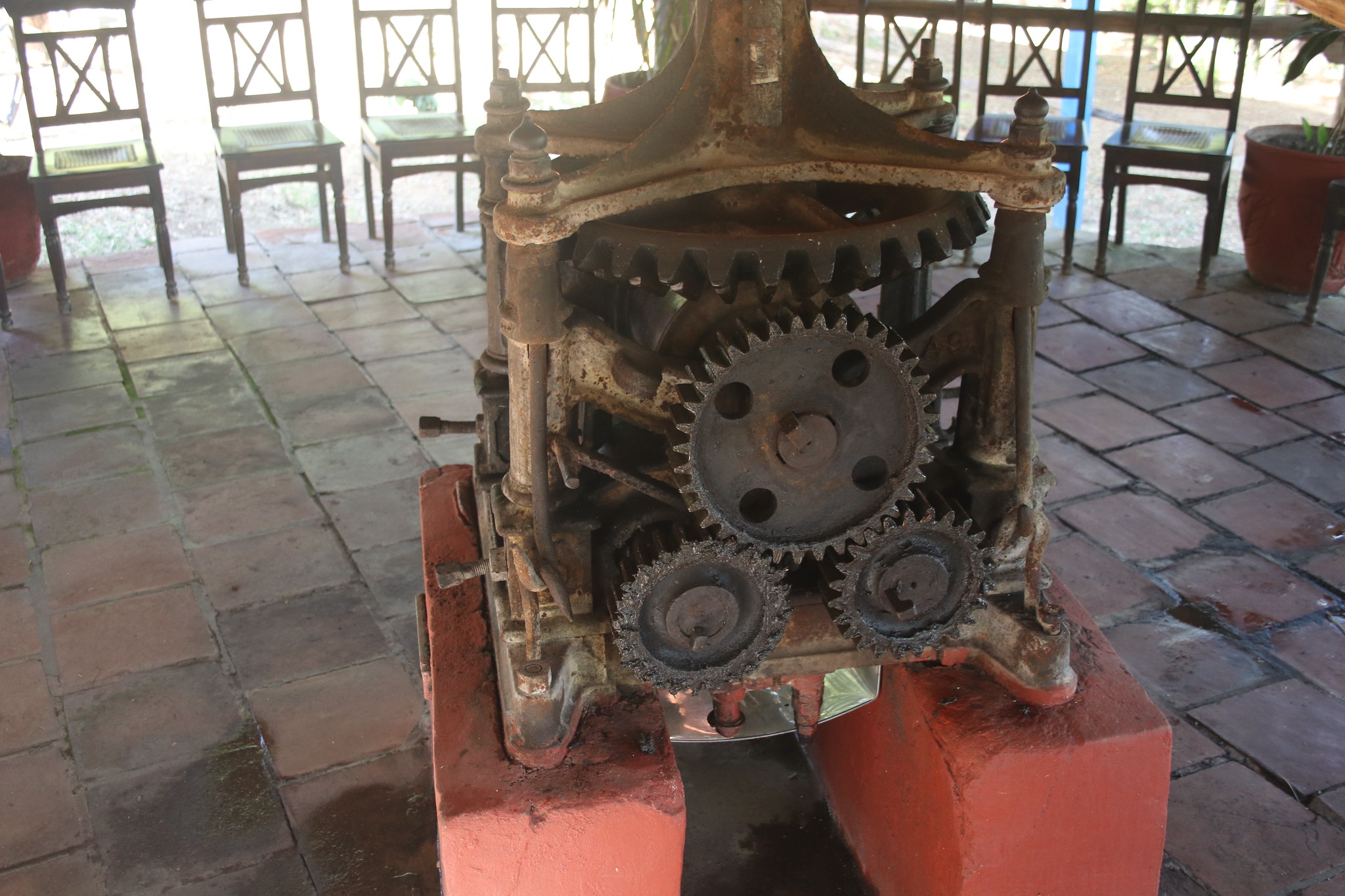
Sugar cane press 14-2-20
A key piece of equipment was a sugar cane press. These were used to crush the sugar cane stalks to extract the sweet juice prior to processing into sugar. It is long disused and whilst the growing of sugar cane is no longer as dominant in Cuba as it once was it is still grown and contributes to exports.
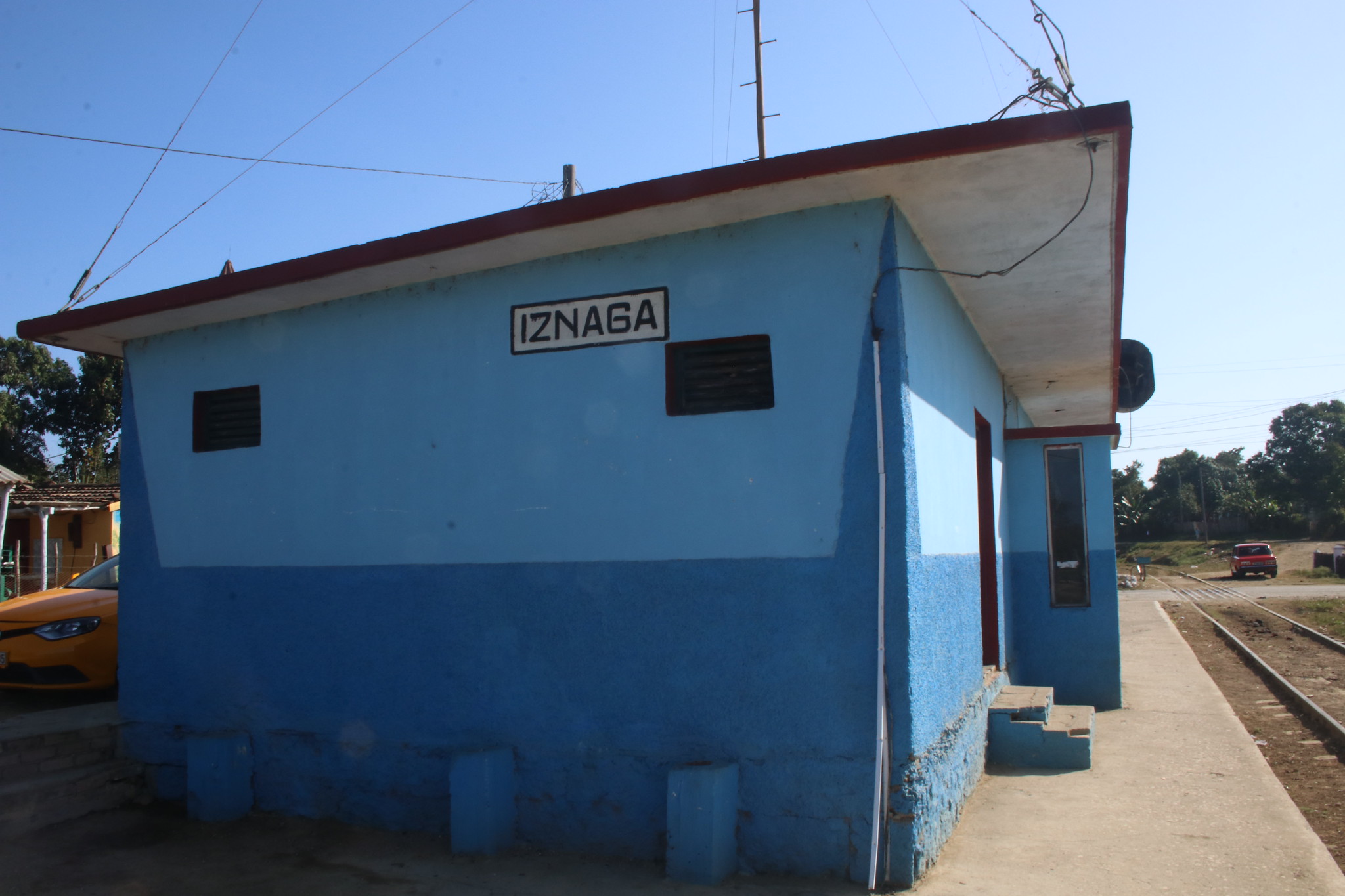
Iznaga Station 14-2-20
The sugar was historically taken to Trinidad for export via rail and this was the local station. I have identified that as recently as 2024 the tourist train did run through the valley from Trini which did used to be on the tour itinerary before out 2020 visit but had been removed as at that time it did not run regularly. I cannot comment on the situation in 2026.
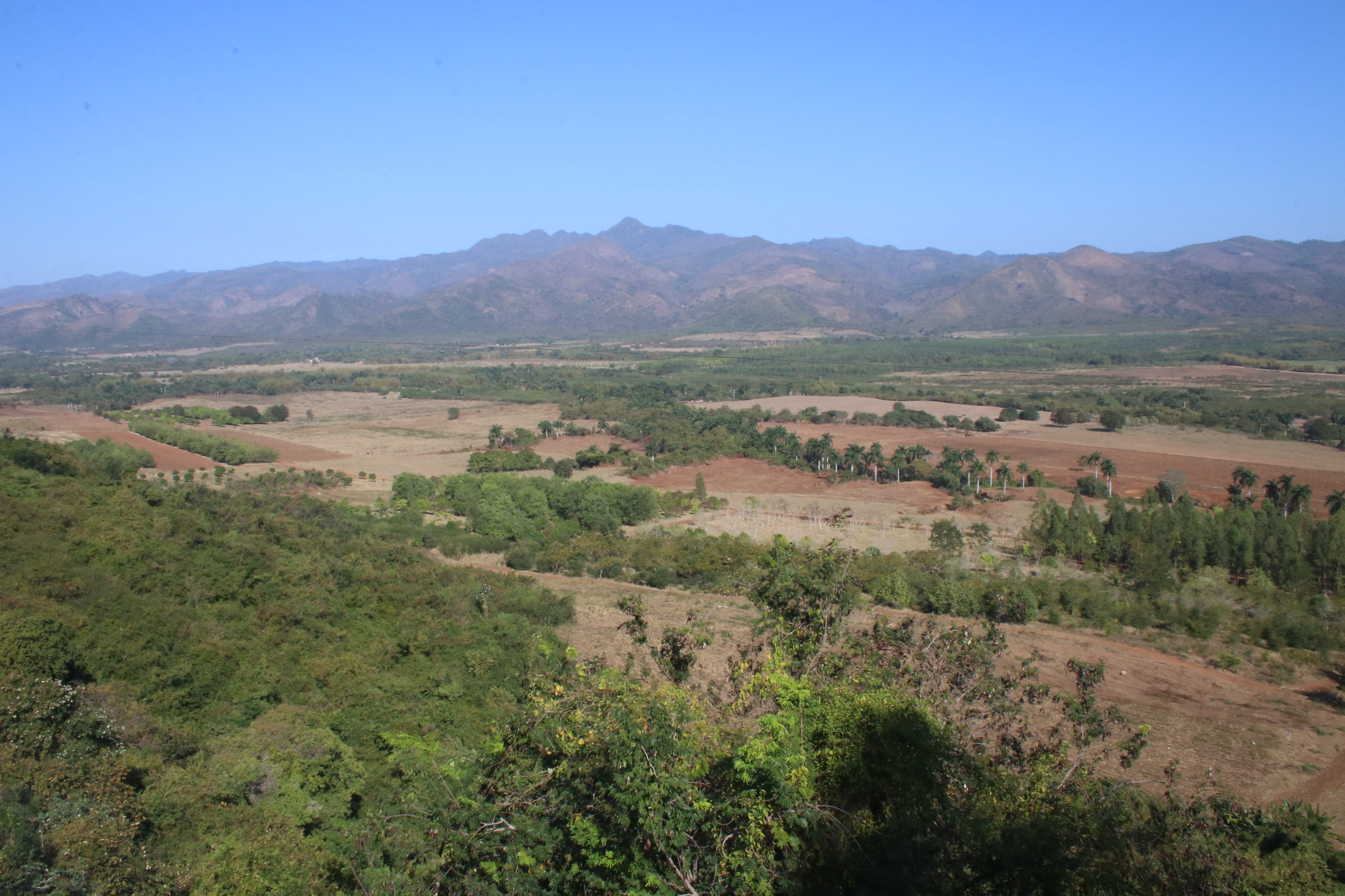
Valle de los Ingenios 14-2-20
There were some wonderful views over the countryside.
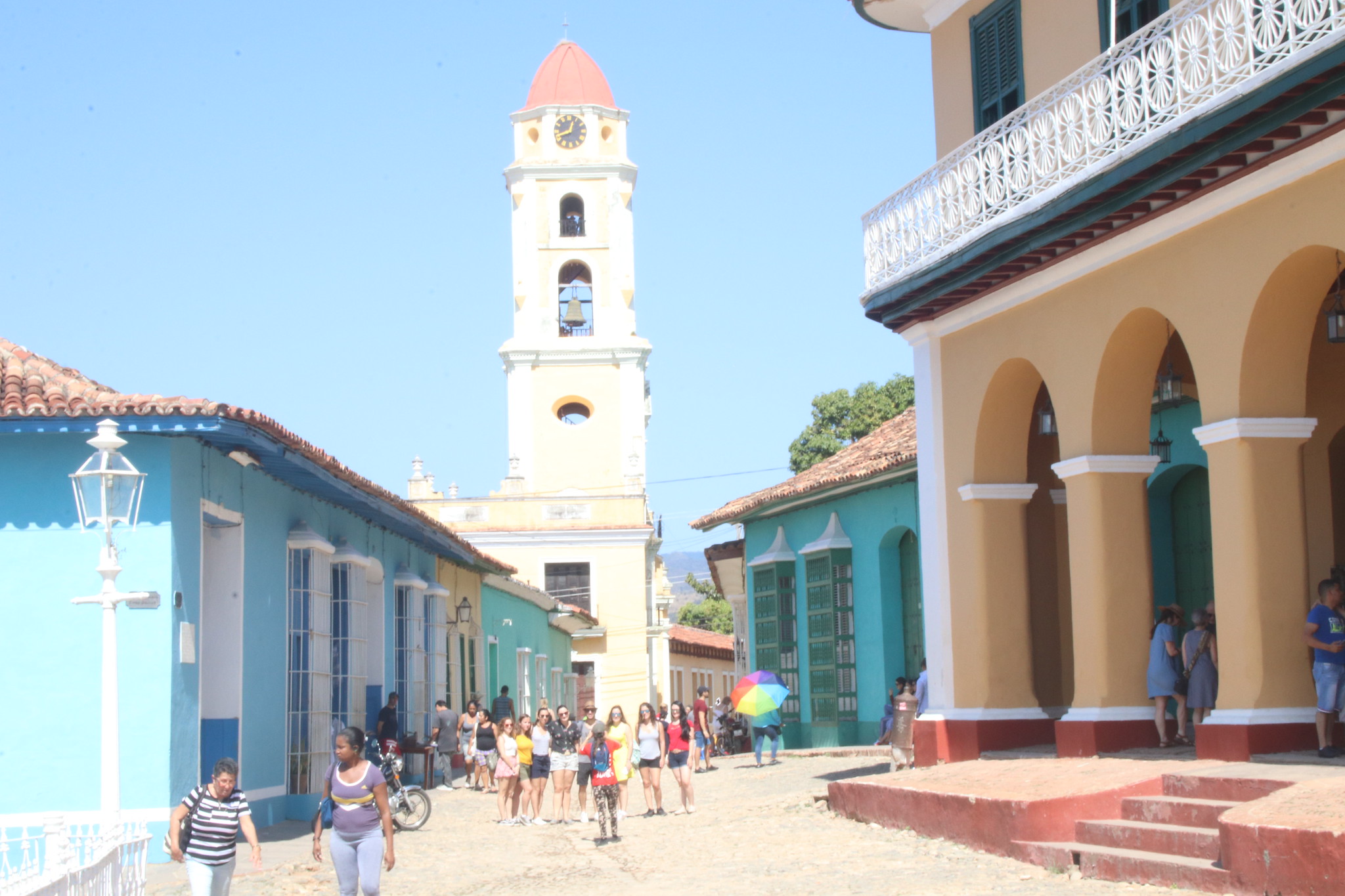
Iglesia y Convento de San Francisco de Asís, Trinidad 14-2-20
Our trip today ends in Trinidad – which is in Cuba and not elsewhere. The above church is in Plaza Mayor but is now a museum.
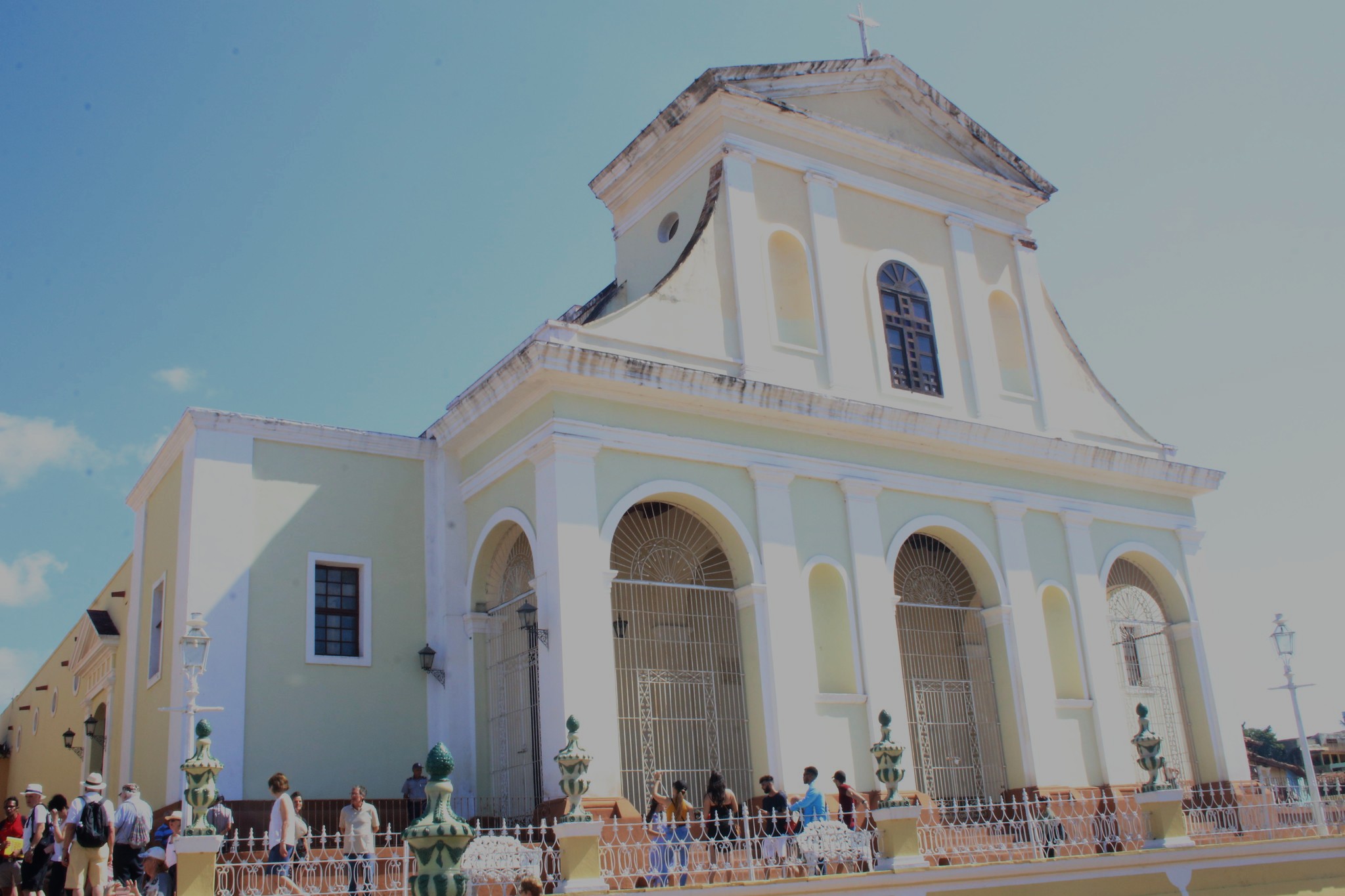
Church of the Holy Tirinity Trinidad 14-2-20
However it would seem that my camera was over exposing everything it recorded at this point. Entirely my fault.
A slight disclaimer, this has been written over 6 years after the journey concerned so is very much based around the photographs taken on the day.