Holidays and Other Excursions

Month: February 2020 (Page 1 of 2)

Cuba 18.2.20 onwards

 
Sopping towel 18-2-20

Sopping towel 18-2-20

We are now in a holiday complex in Varadero, Northern Cuba.  This is a spit of land and there are a string of hotels all along the length of this piece of the coast.  We were dropped yesterday and it seemed in retrospect that the tour manager was particularly keen to get going back to Havana.  We arrived just after lunchtime as I recall but as were after the appointed hour the restaurant had closed and there was nothing available for some hours – which is always wearing.  I seem to remember there was something unattractive on a barbecue – but hardly looked edible.

In fairness the restaurant when it was open in the evening was actually not that bad but it was worth getting in early to ensure that first choice did not run out before eating.

Less attractive was the failure of the air conditioning unit initially spewing significant amounts of water and this was followed by the emergence of innumerable bugs which had no doubt been jamming the innards of the equipment for some considerable period – particularly as they ran around the room.

I attempted to obtain some recognition of the problem by the front desk who suddenly denied speaking English, having any spare rooms and no contacts to whom to refer the problem as they were all off duty.  Despite having common branding with other hotels we had passed they were unable to contact them to obtain a spare room or arrange any form of relocation.  This left an almighty bad taste in the mouth and various bites on various bits of anatomies.  However it had to be grinned and born (or something like that).  

On a more positive note there was a specialist restaurant within the complex – Japanese if my memory serves correctly – which did deliver a better meal so this did improve matters.

Having had a largely enjoyable holiday and been well treated these last few days were a total let down.  At the time we could not work out why – but I suspect the hotel company was just unable to stay on top of maintenance and the facilities were lacking to ensure they could be sustained long term.  It meant we were actually keen to get on the plane home which is often not the case.


A slight disclaimer, this has been written over 6 years after the journey concerned so is very much based around the photographs taken on the day.
Cuba 17.2.20

Santa Clara Theatre 17-2-20

Santa Clara Theatre 17-2-20

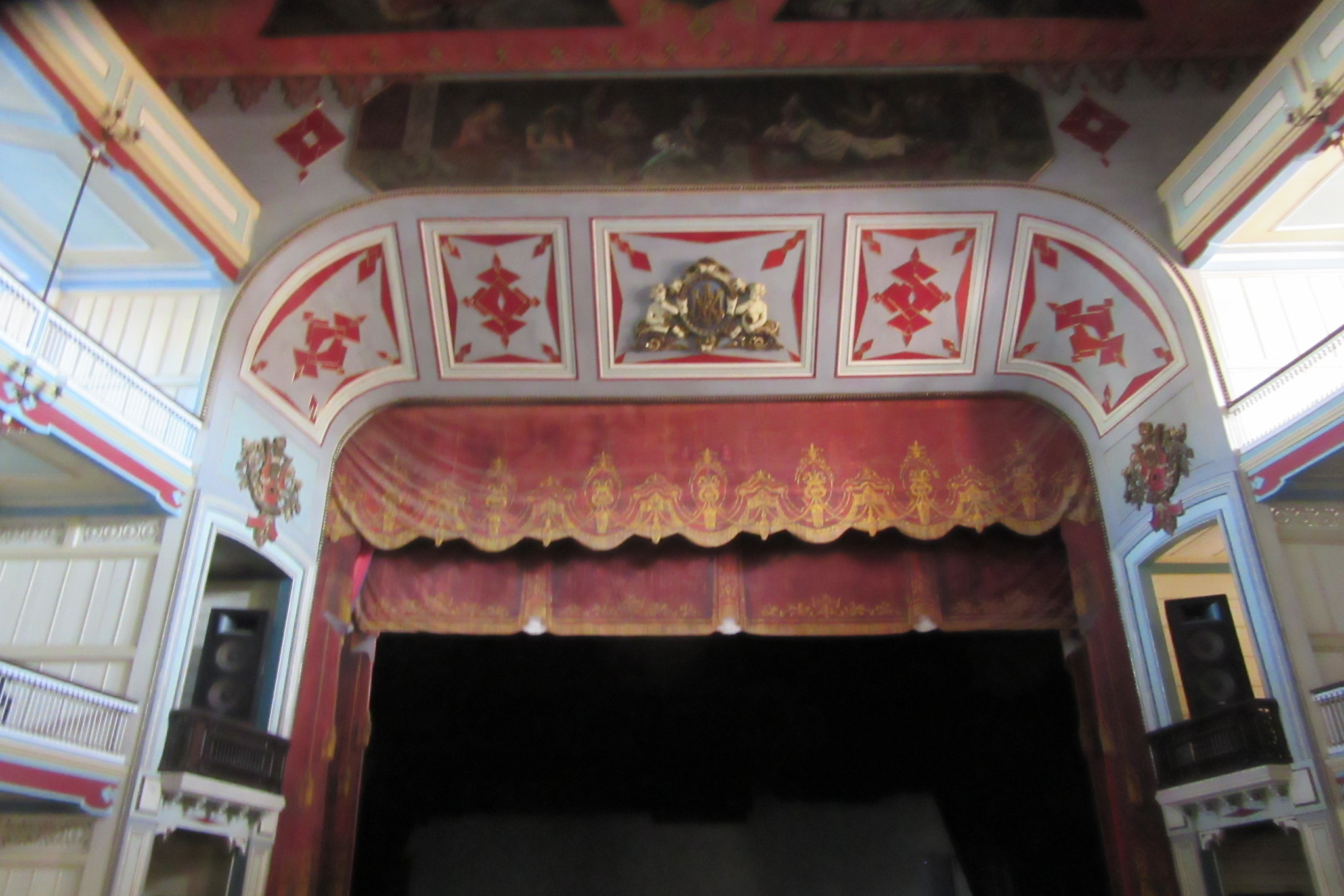
Today we are making stops on our way to our final hotel of which more later.  However Santa Clara also has a theatre so we have an initial stop here and whilst it is similar to the one in Cienfuegos it is attractively decorated and looks very well kept.

Cuban Steam loco 17-2-20

Cuban Steam loco 17-2-20

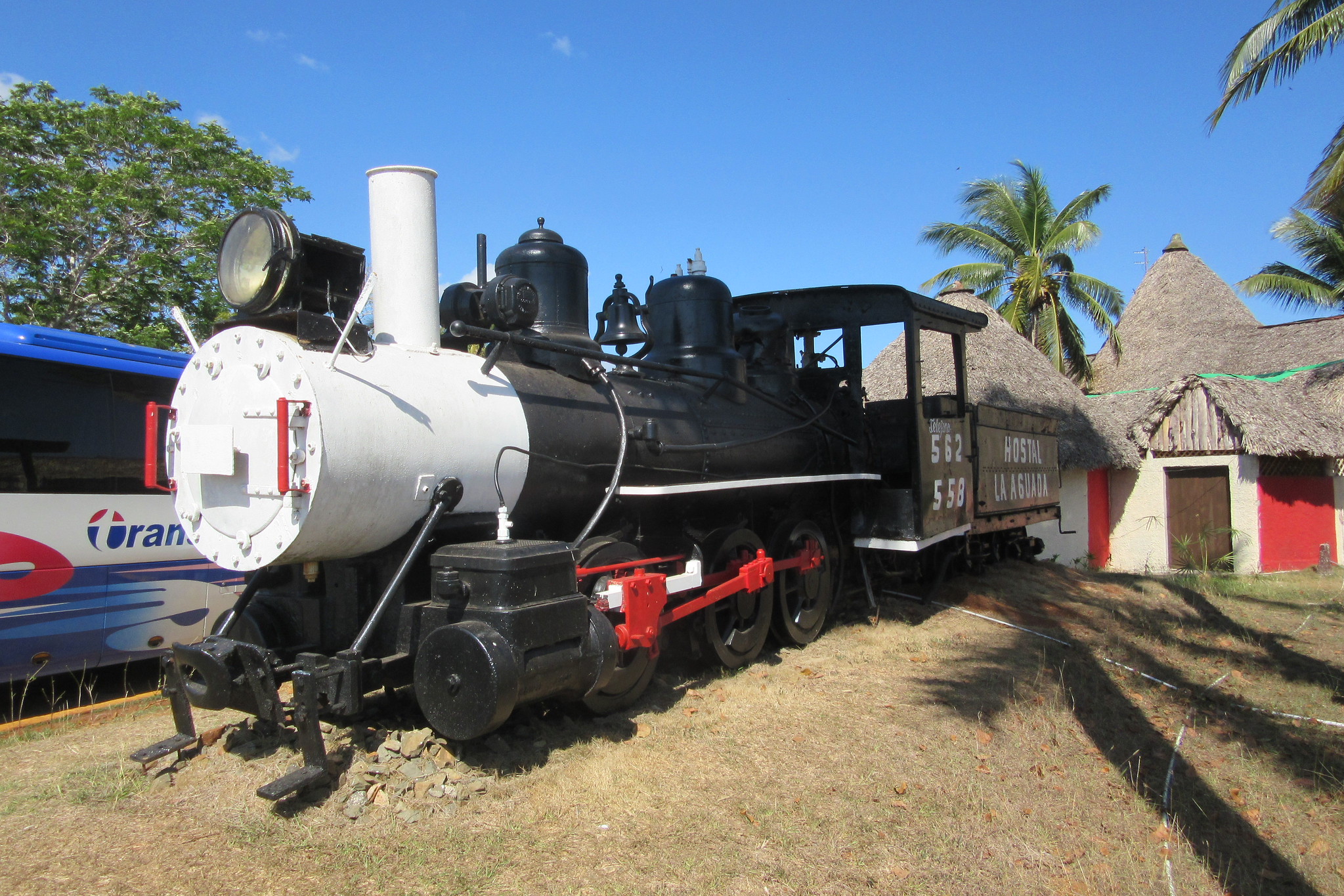
We leave Santa Clara on a longish journey this morning after visiting the theatre and we make a service station stop with this adorning the outside area.  Former Cuban American Sugar (Central Constancia) steam locomotive No.562 457 is stuffed but far from preserved as another representation of the local historic sugar trade.

Statue of José Martí Mantanzas 17-2-20

Statue of José Martí Mantanzas 17-2-20

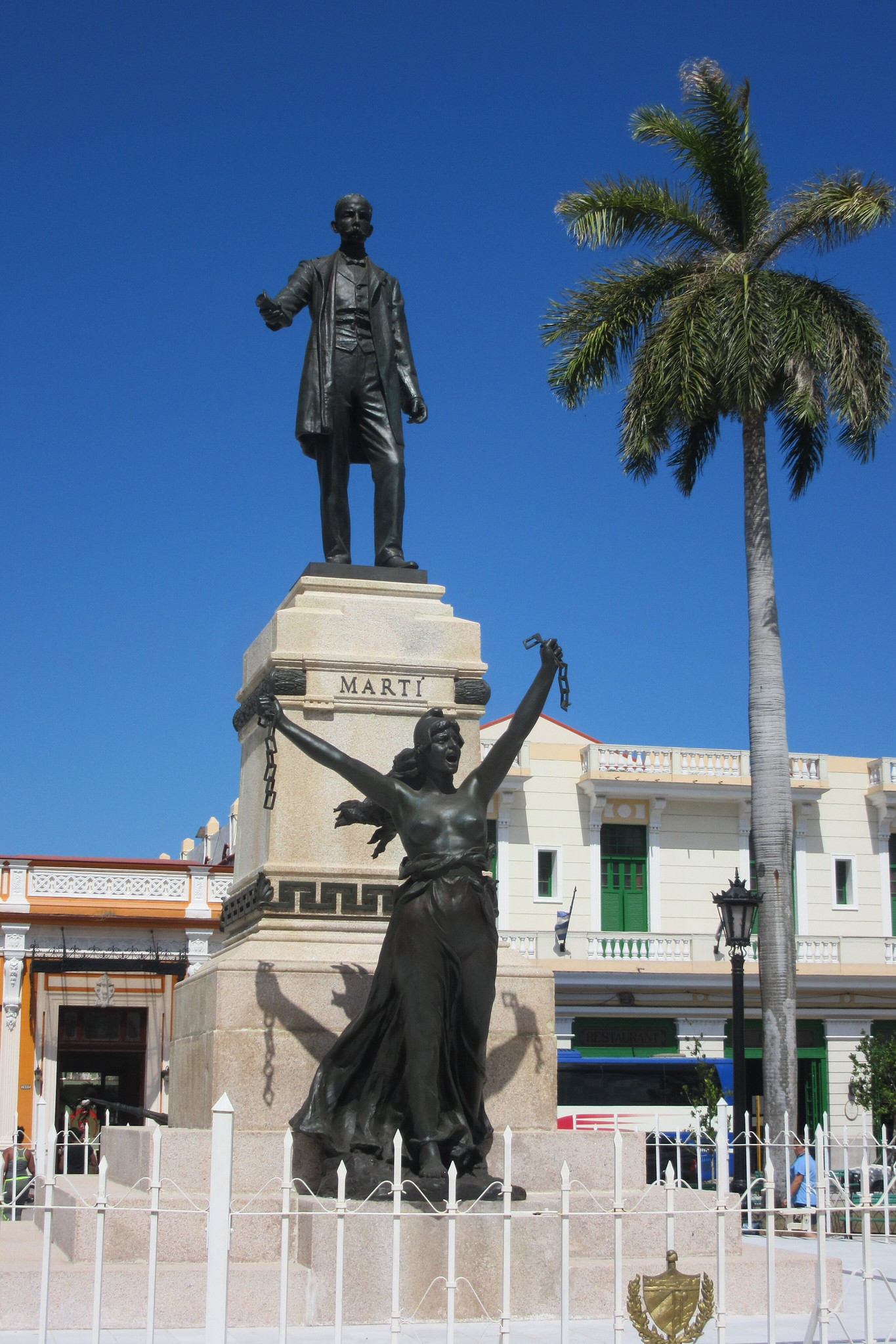
We then make a further stop in Mantanzas where we walk around the statue of José Marti, a revolutionary leader and poet.  He lived between 1853 and 1895 as he was a symbolic leader for the independence from Spain leading a revolt in 1895 which led to his demise.  Independence was formally granted on 20 May 1902. 

Triiolet Pharmacy Mantanzas 17-2-20

Triiolet Pharmacy Mantanzas 17-2-20

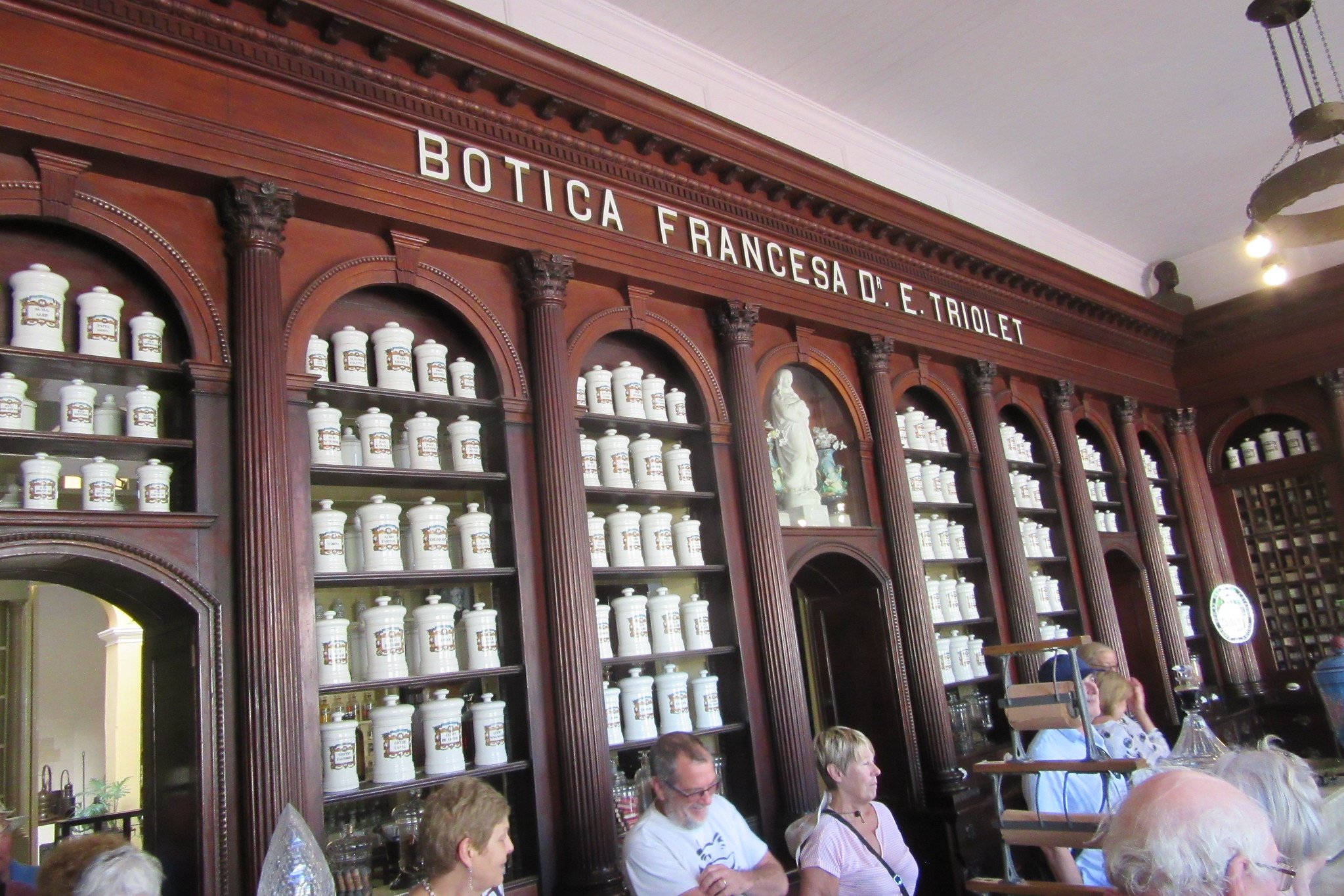
In some ways a more interesting sight in Mantanzas is this amazing survivor – a drugstore (sorry but we we are almost in America) opened on 1 January 1882 which was recognised as historic in 1964 and it became a National Monument in 2007.  It is a preserved and no doubt slightly restored pharmacy with bottles of herbal and other remedies which were no doubt going out fashion in 1964 but reflect a much earlier history.

Triolet Pharmacy bottles 17-2-20

Triolet Pharmacy bottles 17-2-20

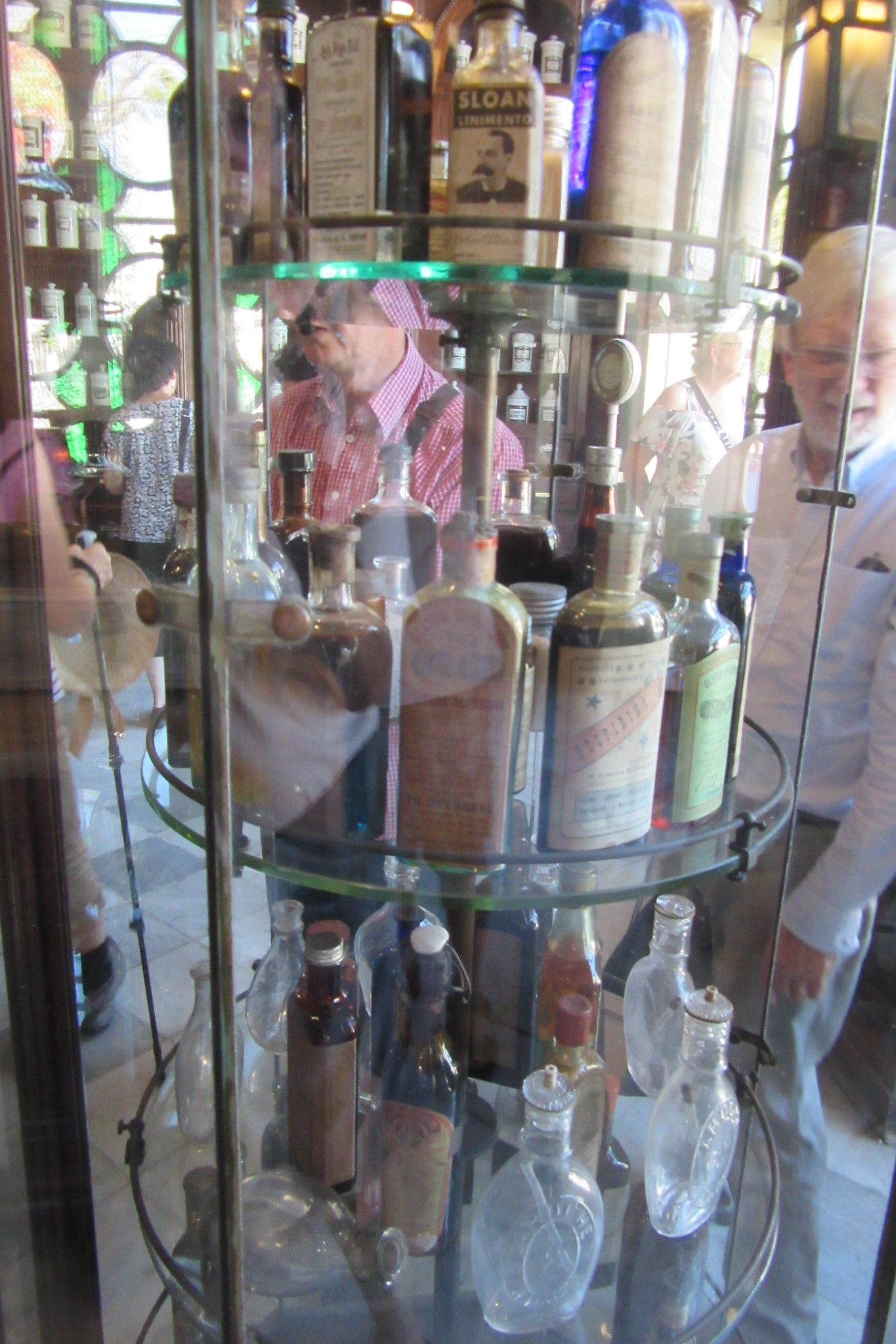
Some proprietary medication can be seen  – Sloans – among others.

Cash Register 17-2-20

Cash Register 17-2-20

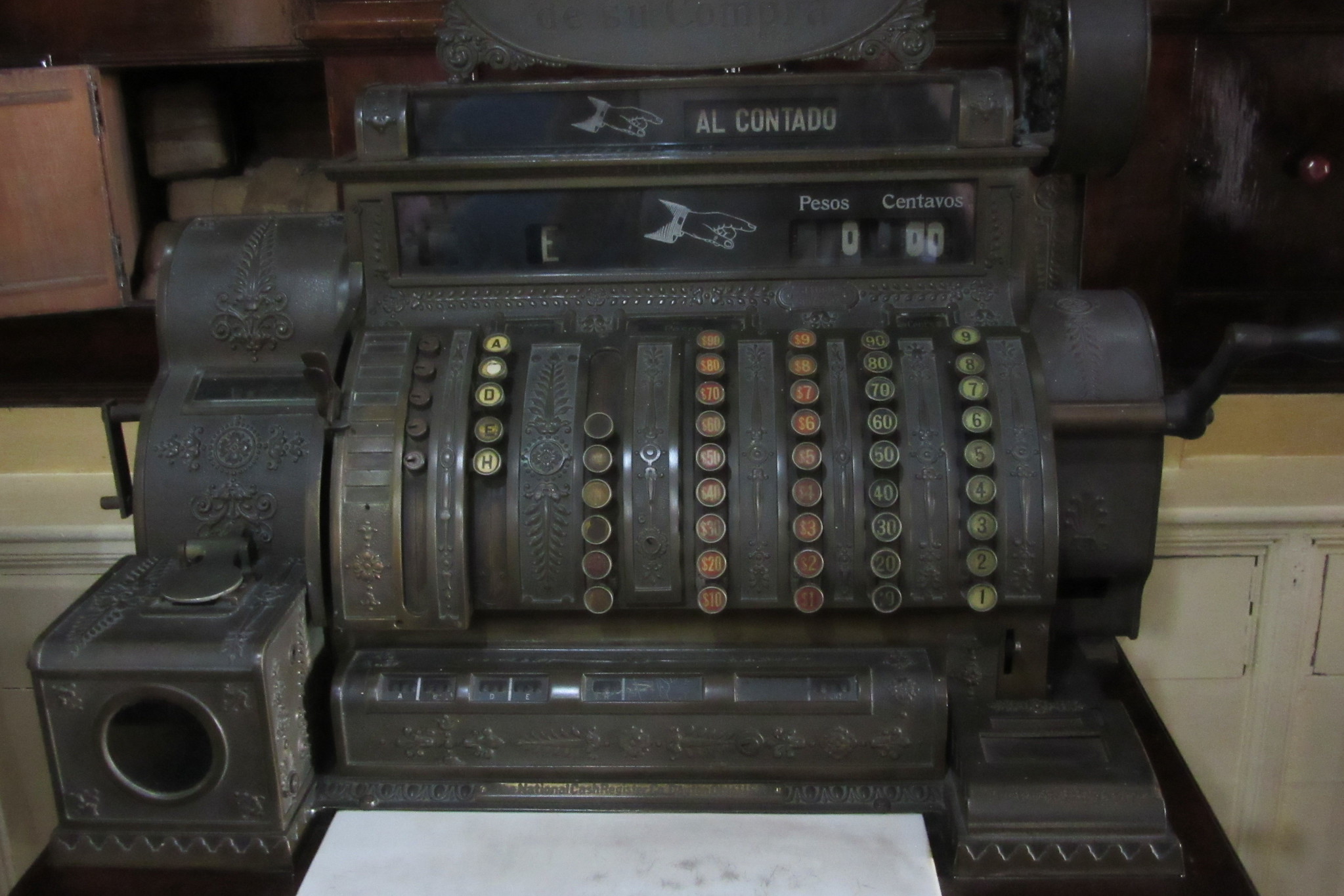
This did not ring as sales are not possible – but it was obviously a very different world during the active life of the pharmacy.

At the rear there is an equipped kitchen were no doubt some of the noxious brews were put together, along with a huge card index recording the medications for each individual and how they would be prescribed.  A very different world.  

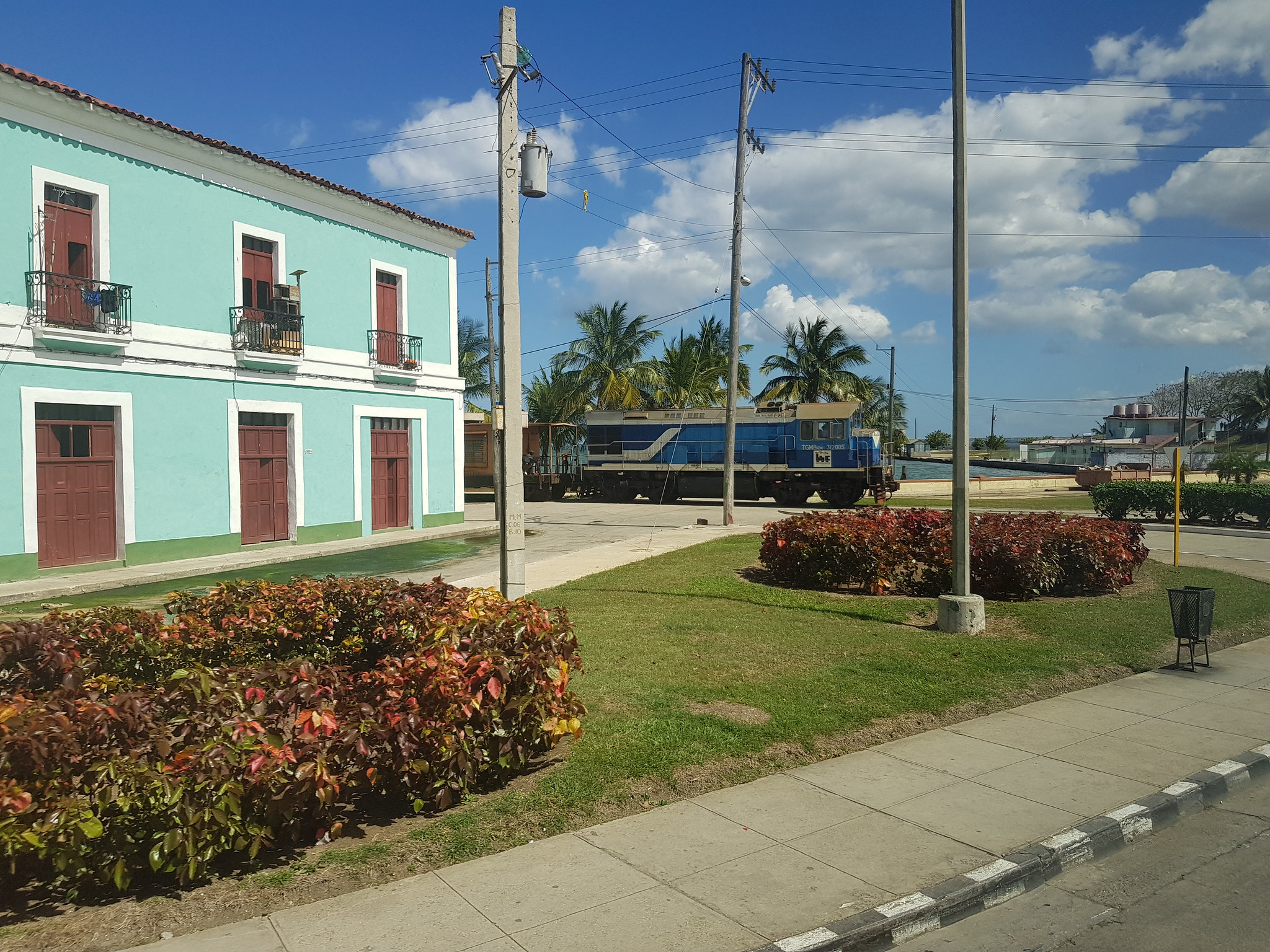
Cuban train 17-2-20

Cuban train 17-2-20

On our way to the final hotel we crossed a railway line a couple of times and I managed one shot of a locomotive but what it is doing (it looks like it might be a freight train) and where it was going I have no idea.

This marked the end of the touring holiday and we have three nights now in a holiday complex on the north of the island.  Our experience here will be covered in the remaining post about Cuba.


A slight disclaimer, this has been written over 6 years after the journey concerned so is very much based around the photographs taken on the day.
Cuba 16.2.20

 
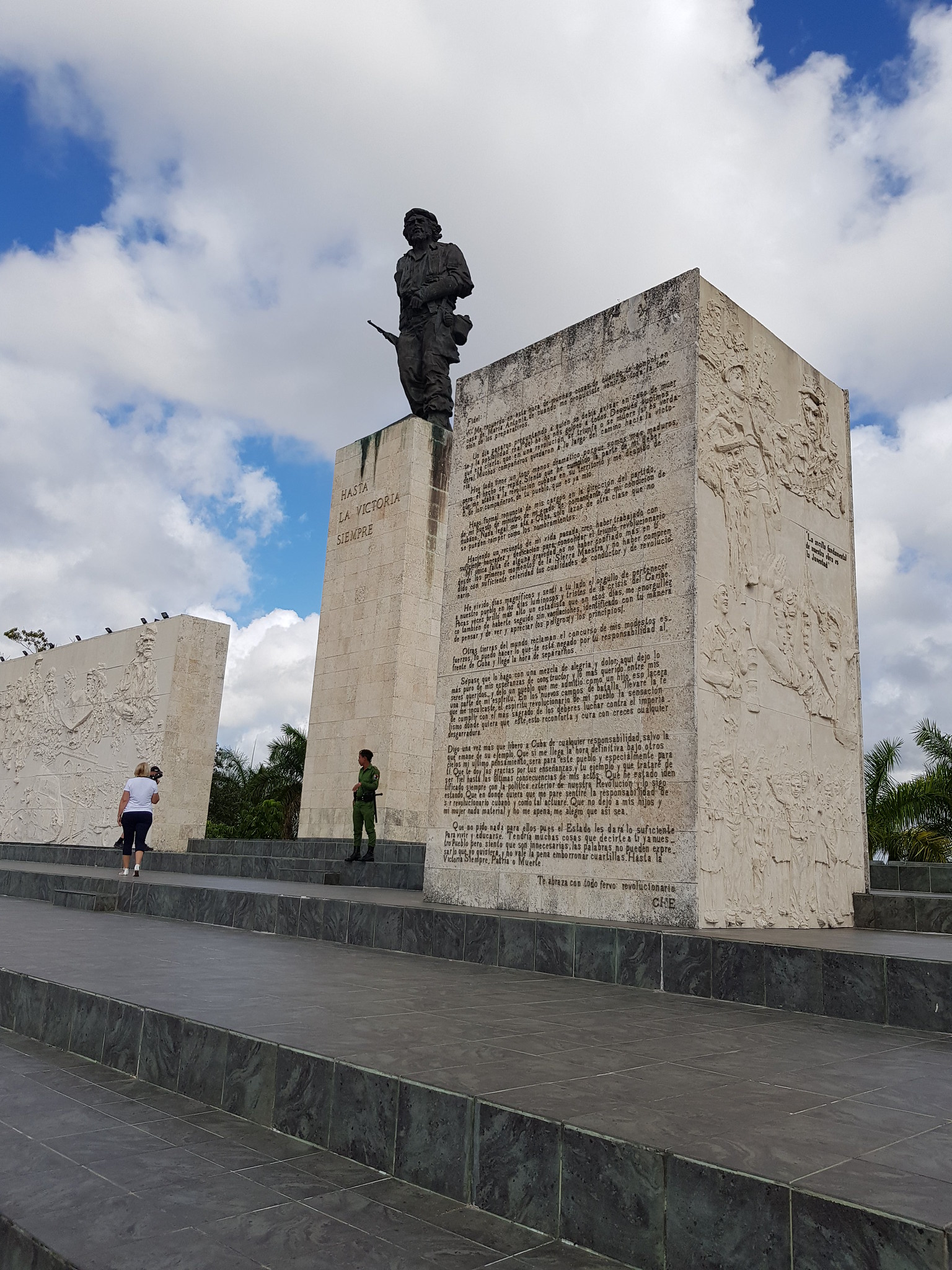
Che Guevara Mausoleum Santa Clara 16-2-20

Che Guevara Mausoleum Santa Clara 16-2-20

Ernesto Guevara was an Argentinian who met Fidel Castro and through his skills behind the Cuban revolutionary movement rose to second in command and of course became world famous for the overthrow of the Government.  He remains honoured in Cuba and this morning we visited his mausoleum.  Santa Clara was important as this fell to the revolutionaries at the very end of 1958 and the head of the previous government fled the country the next day.   Guevara then took various political positions but returned to direct conflict in the Congo in 1965, where there was no wish to fight by the citizens.  During 1966-7 he was developing a guerrilla army in Bolivia being captured on 7 October 1967 and executed two days later.  In 1997 his remains were removed from Bolivia and laid to rest at the Santa Clara Mausoleum.

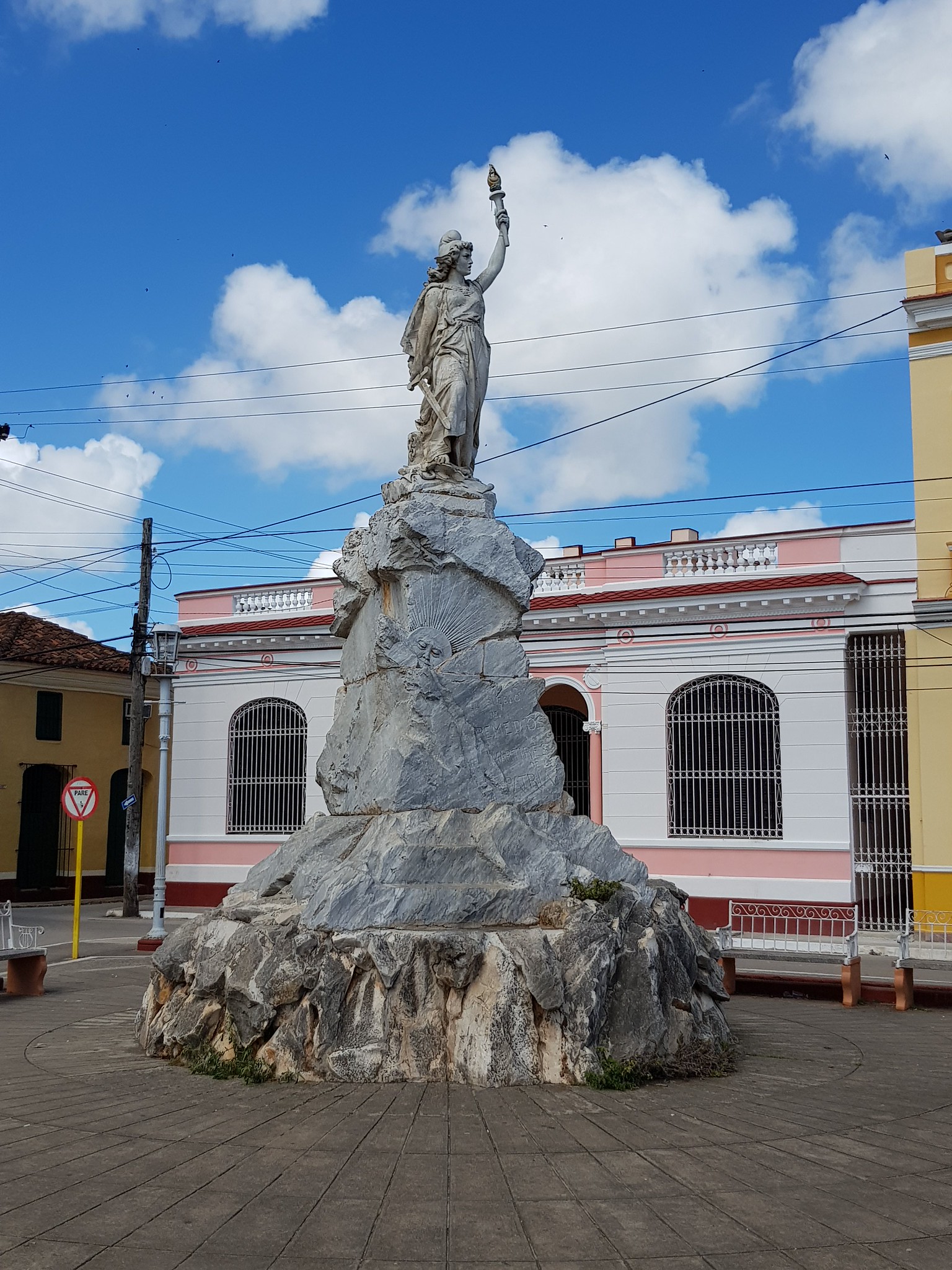
Statue of Liberty of Remedios 16-2-20

Statue of Liberty of Remedios 16-2-20

Despite the antipathy to the US in some respects there are interesting nods to their near but much larger neighbour.  The main parliament building in Havana reflects the style of the Capitol building in Washington and in Remedios there is a local version of the Statue of Liberty to reflect the freedom of the people following the revolution in Cuba.  Remedios may be the second oldest Spanish settlement on the island with evidence of existing dating back to 1514.

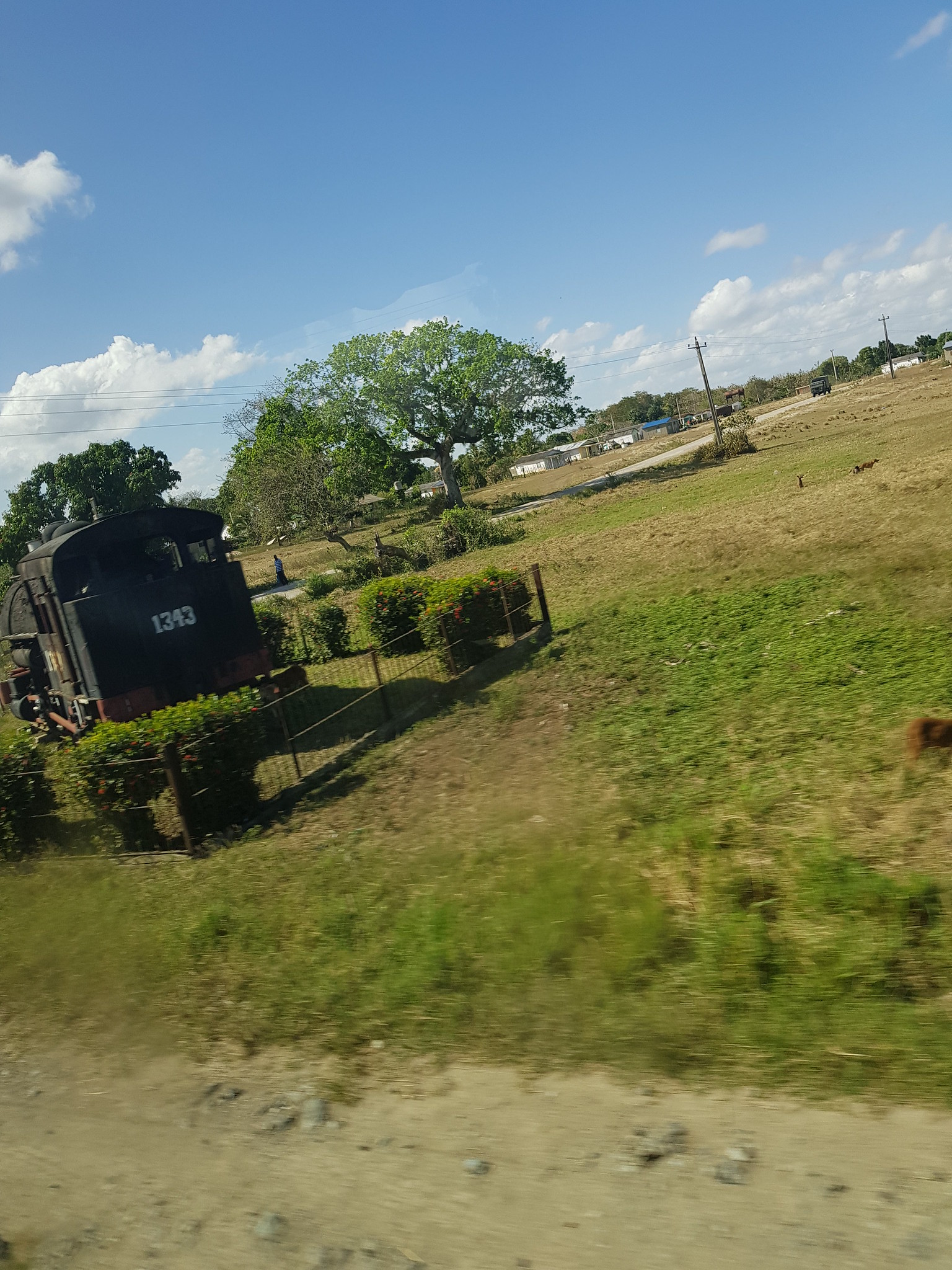
Tren Blindado 16-2-20

Tren Blindado 16-2-20

From the coach we sped past the Tren Blindado hence this appalling shot of a view which I was did not previously record.  We are nearing the end of our holiday and the hotels have been generally acceptable.  This one had a problem with noise given the rooms were above the public area – but we still managed to sleep most nights and have generally been very looked after throughout.


A slight disclaimer, this has been written over 6 years after the journey concerned so is very much based around the photographs taken on the day.
Cuba 15.2.20

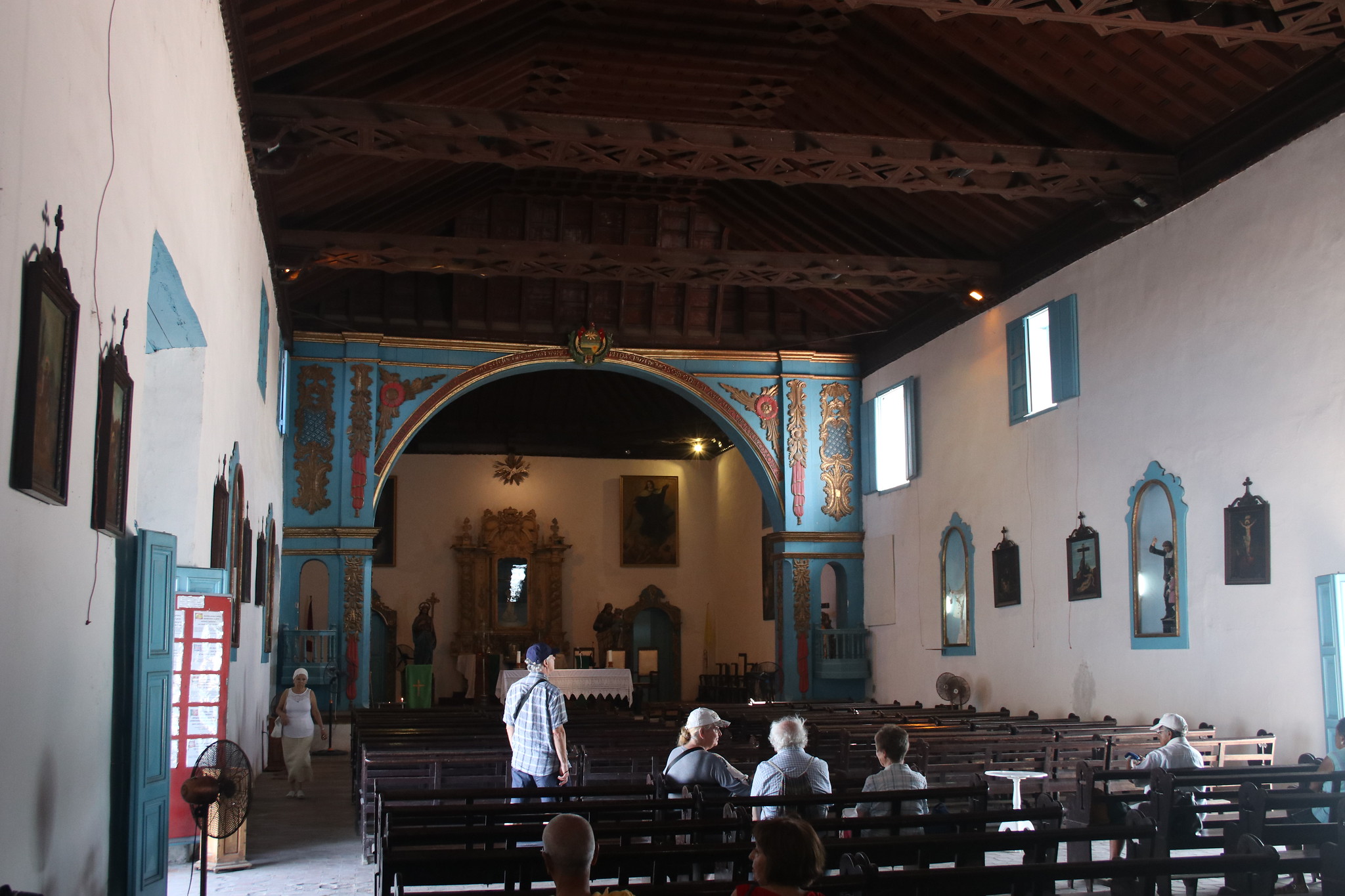
Iglesia Parroquial Mayor del Espíritu Santo 15-2-20

Iglesia Parroquial Mayor del Espíritu Santo 15-2-20

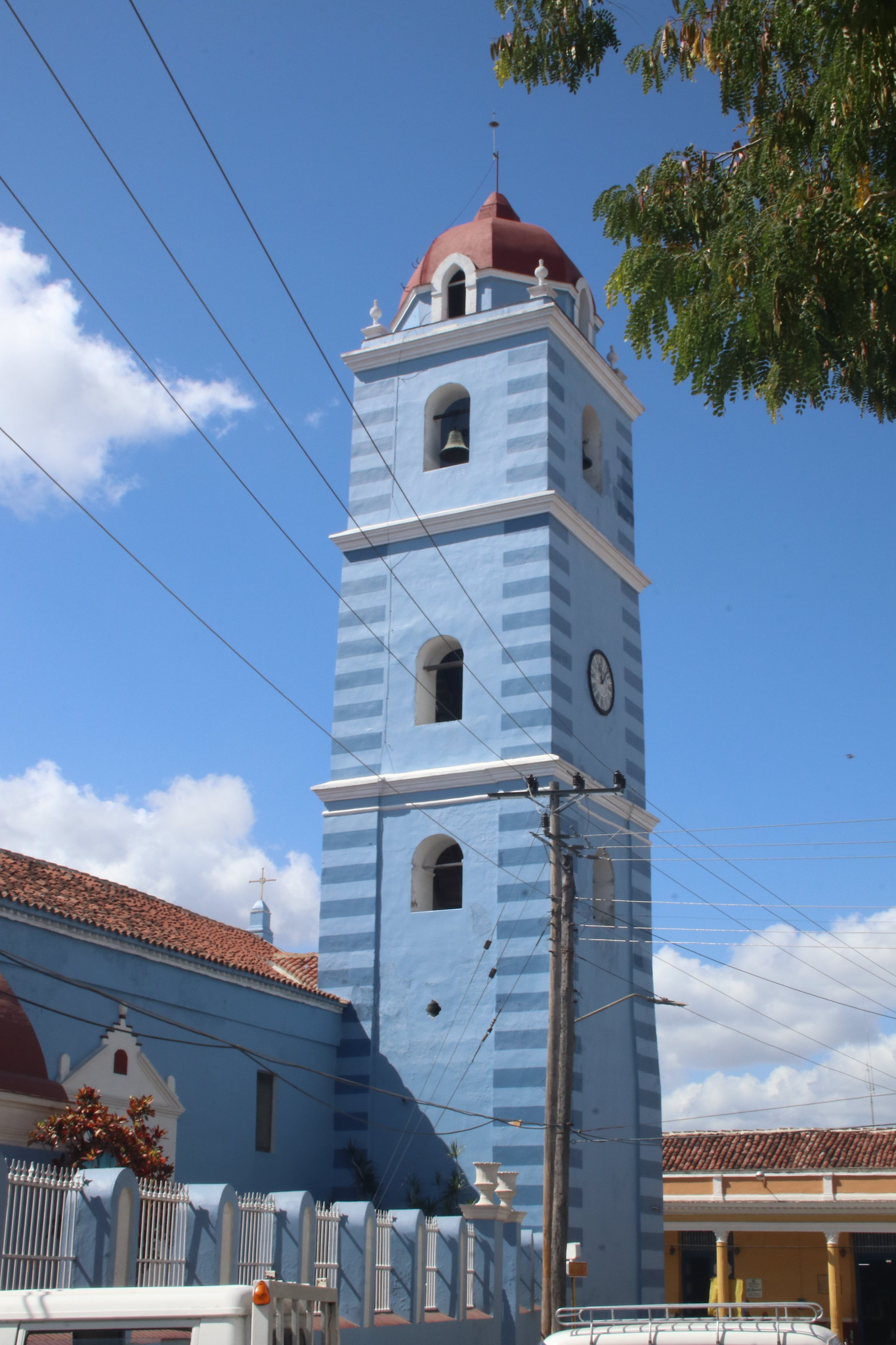
We are moving on again today visiting Sancti Spiritus which has the distinctive church above and some other attractive buildings. 

Inside Iglesia Parroquial Mayor 15-2-20

Inside Iglesia Parroquial Mayor 15-2-20

We visited the local market as well and it is very different to markets elsewhere in the world with the quantities on display being somewhat limited with far less choice and variety.  There are statues the town around which are interesting and it would appear that there are more than we saw.

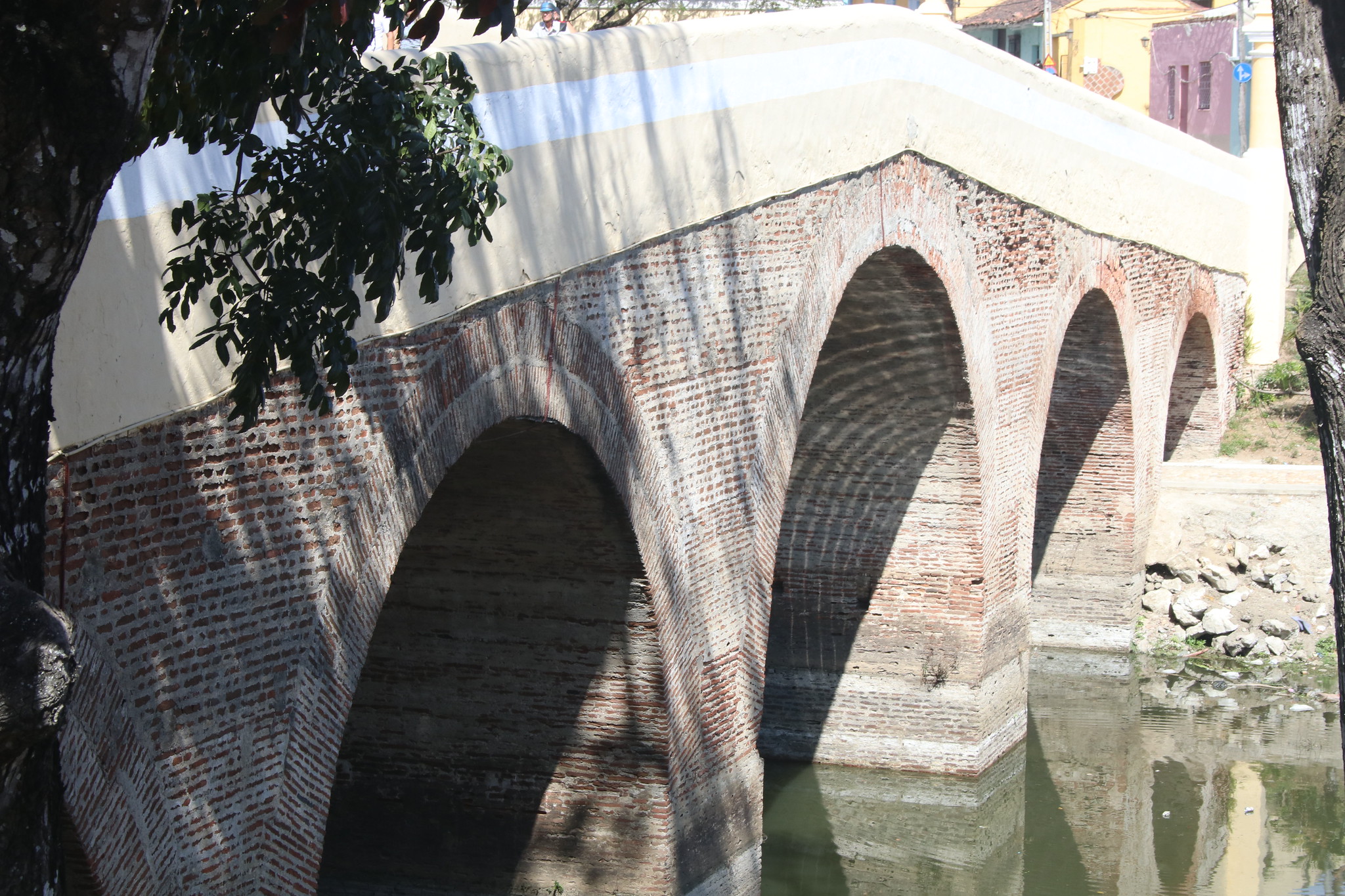
Puenta Yayabo Bridge Sancti Spiritu 15-2-20

Puenta Yayabo Bridge Sancti Spiritu 15-2-20

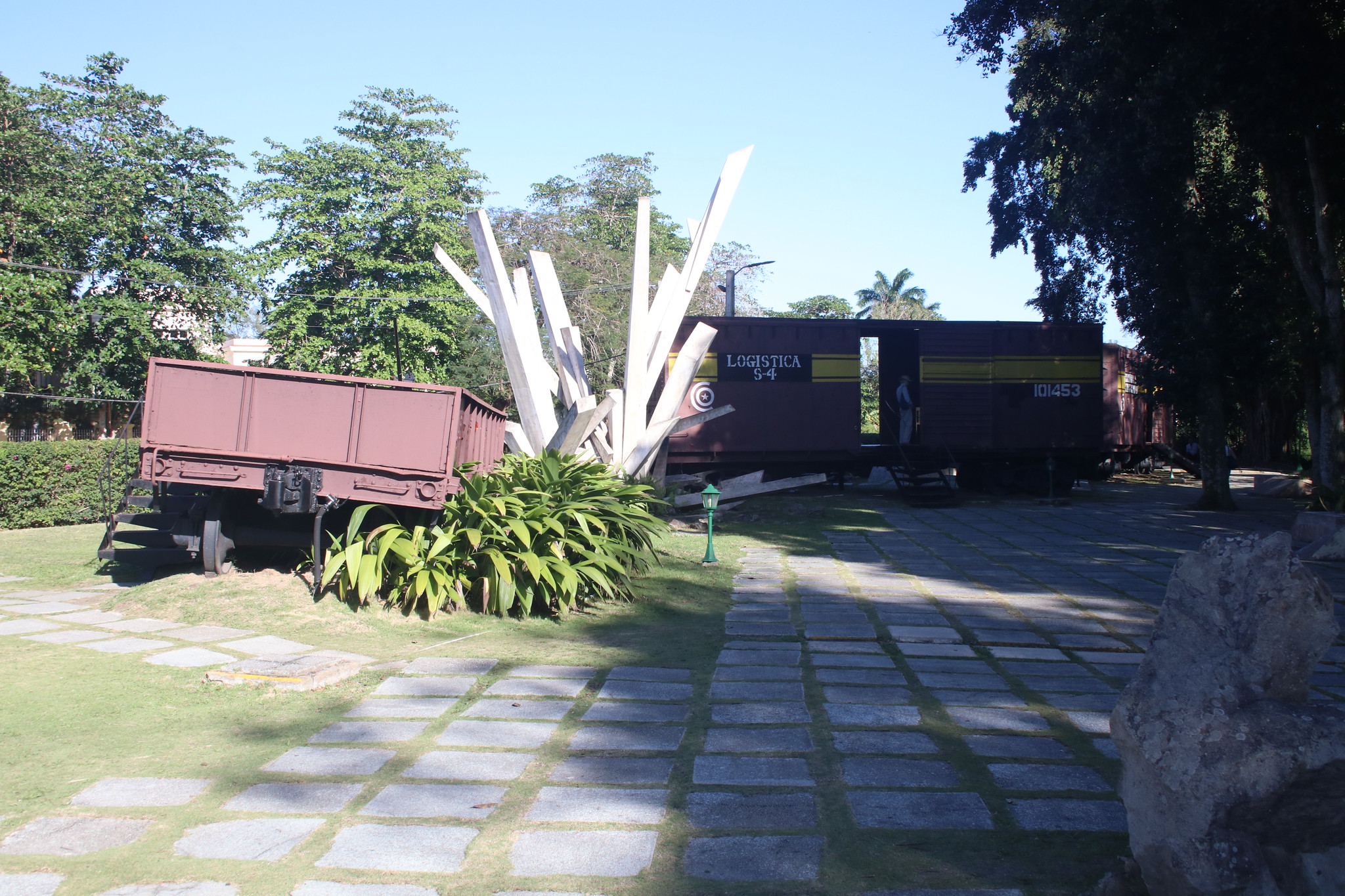
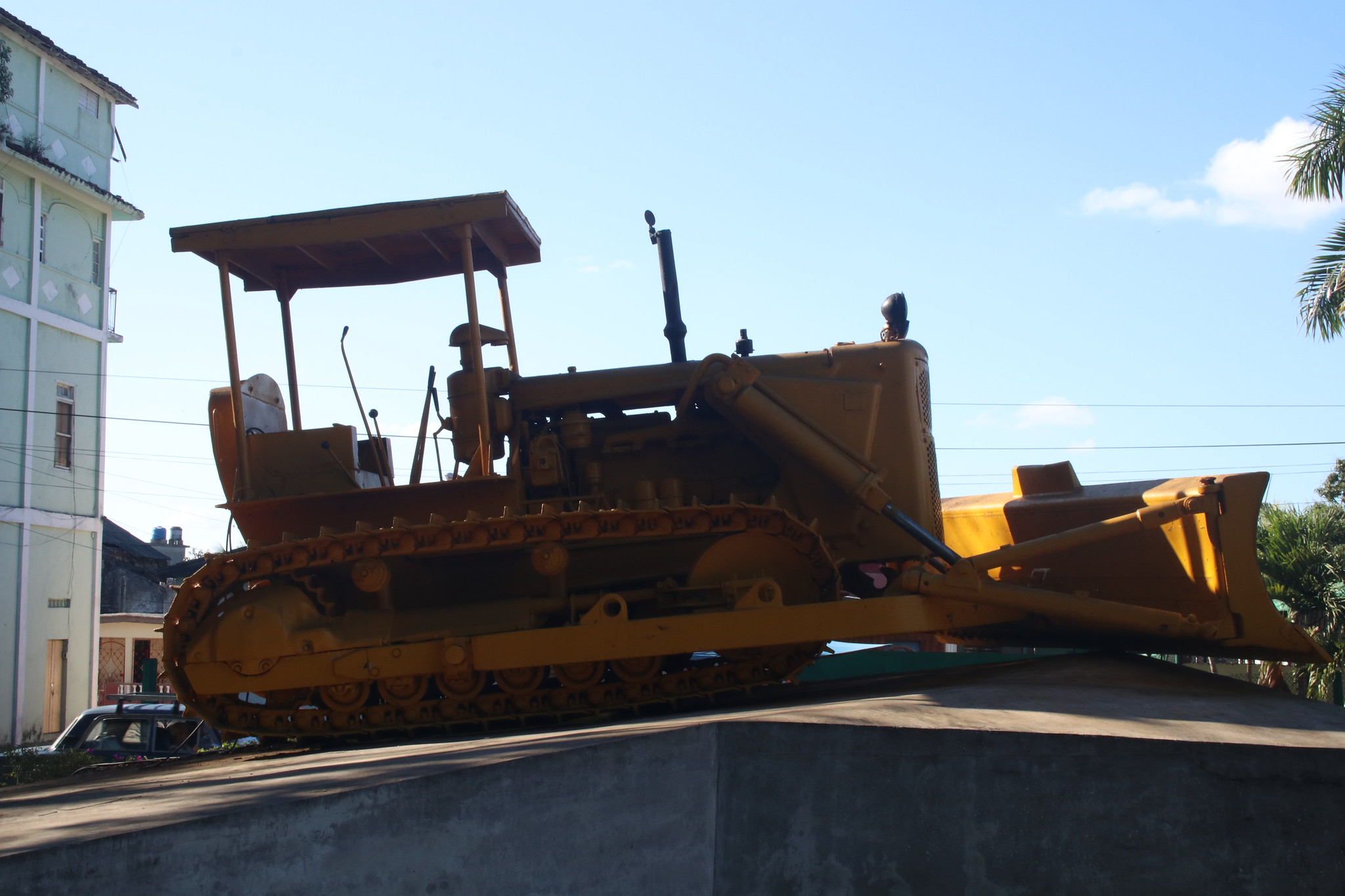
We move onwards to Santa Clara which is an important location in Communist revolutionary history being the location of he Battle of Santa Clara in December 1958.  The Government had sent a supply train of ammunition, weapons and equipment in support of their troops to attempt to hold back the advancing Guevara led revolutionaries.  Using the local tractors from the school of Agronomy the revolutionaries disrupted the tracks leading to the derailment of the train which was promptly captured with the 350 troops becoming prisoners, although allegedly some of them no longer wished to fight other Cubans.  It was essentially a major turning point of the revolution and within days the Government had been overthrown.  It is commemorated by a memorial which is on the site of the original incident.

Tren Blindado Santa Clara 15-2-20

Tren Blindado Santa Clara 15-2-20

it was not clear at the time if these are the original vehicles or ones which were used to recreate the event.  

Bulldozer Santa Clara 15-2-20

Bulldozer Santa Clara 15-2-20

Tractor is a slight understatement if these were the items used to pull up the track – more like a bulldozer!

At the hotel in the evening we enjoy a decent meal but the best story concerns a young lady on her first ever shift.  We ask for a bottle of wine and she has never opened a bottle before.  It also transpires that she is left-handed and opening a bottle with a bottle opener when you are left handed is not obvious.  After a moment or two the good lady wife takes pity on the poor girl and demonstrates the need to use her right hand for this particular task.  We wish her good luck.  The payback is the following evening, she is on duty again and again we order a bottle of wine.  She declines assistance and within moments she has removed the cork and is pouring wine (left handed).  She will go far I am sure.


A slight disclaimer, this has been written over 6 years after the journey concerned so is very much based around the photographs taken on the day.
Cuba 14.2.20

 
Manaca-Iznaga Tower Valle de los Ingenios 14-2-20

Manaca-Iznaga Tower Valle de los Ingenios 14-2-20

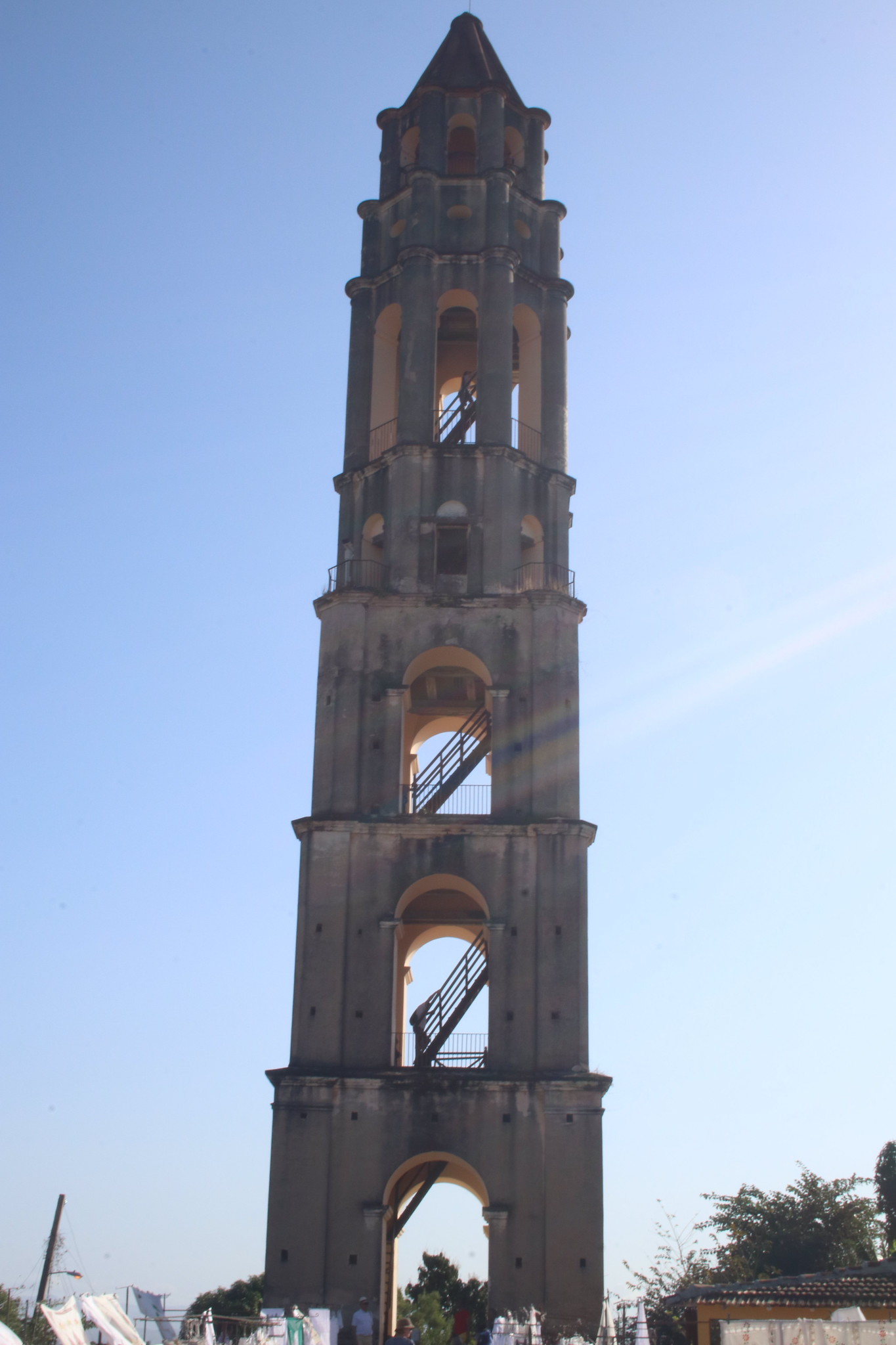
Having seen how the wealth was spent in Cienfuegos we now move onto discover how it was accumulated by the labour of the inevitable slaves in the sugar plantations in the central area of Cuba.  Symbolic of the control which was exerted is the Manaca-Iznaga Tower from which the overseers could watch large numbers at work in the sugar plantations and ensure that they were indeed working.  It was built in 1750 and the bell is retained separately at the bottom of the tower.

Sugar cane press 14-2-20

Sugar cane press 14-2-20

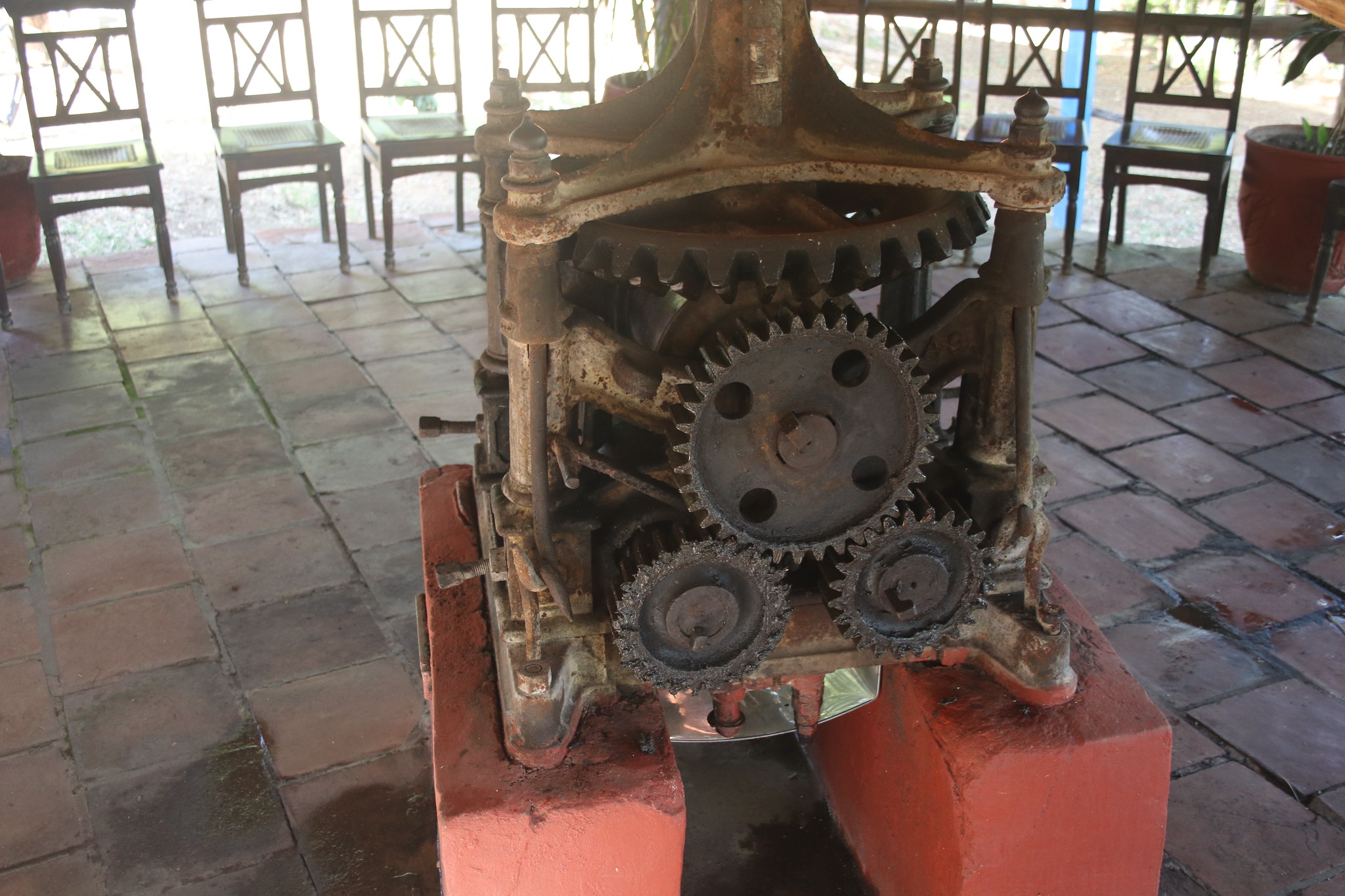
A key piece of equipment was a sugar cane press.  These were used to crush the sugar cane stalks to extract the sweet juice  prior to processing into sugar.  It is long disused and whilst the growing of sugar cane is no longer as dominant in Cuba as it once was it is still grown and contributes to exports.

Iznaga Station 14-2-20

Iznaga Station 14-2-20

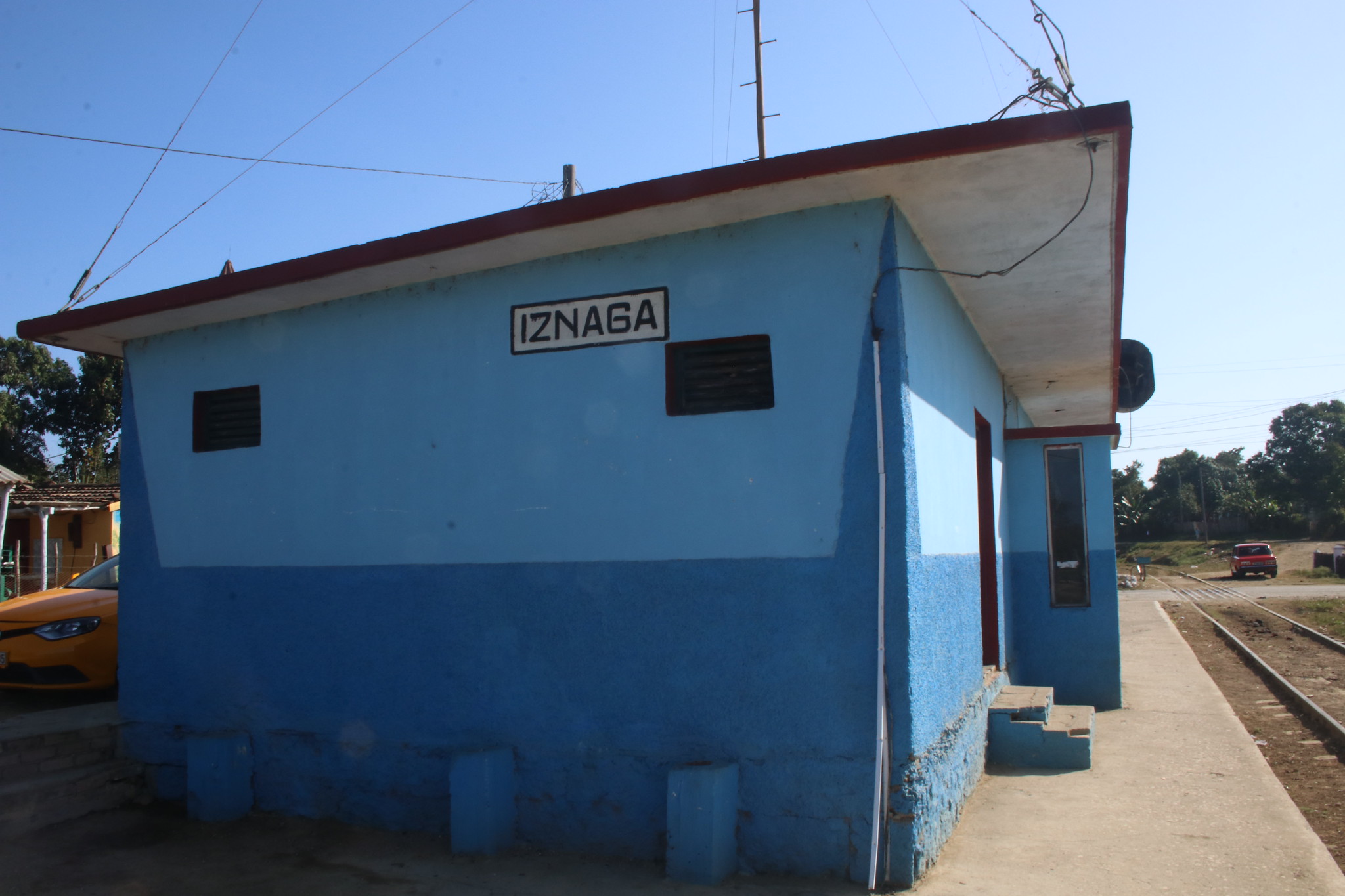
The sugar was historically taken to Trinidad for export via rail and this was the local station.  I have identified that as recently as 2024 the tourist train did run through the valley from Trini which did used to be on the tour itinerary before out 2020 visit but had been removed as at that time it did not run regularly.  I cannot comment on the situation in 2026.  

Valle de los Ingenios 14-2-20

Valle de los Ingenios 14-2-20

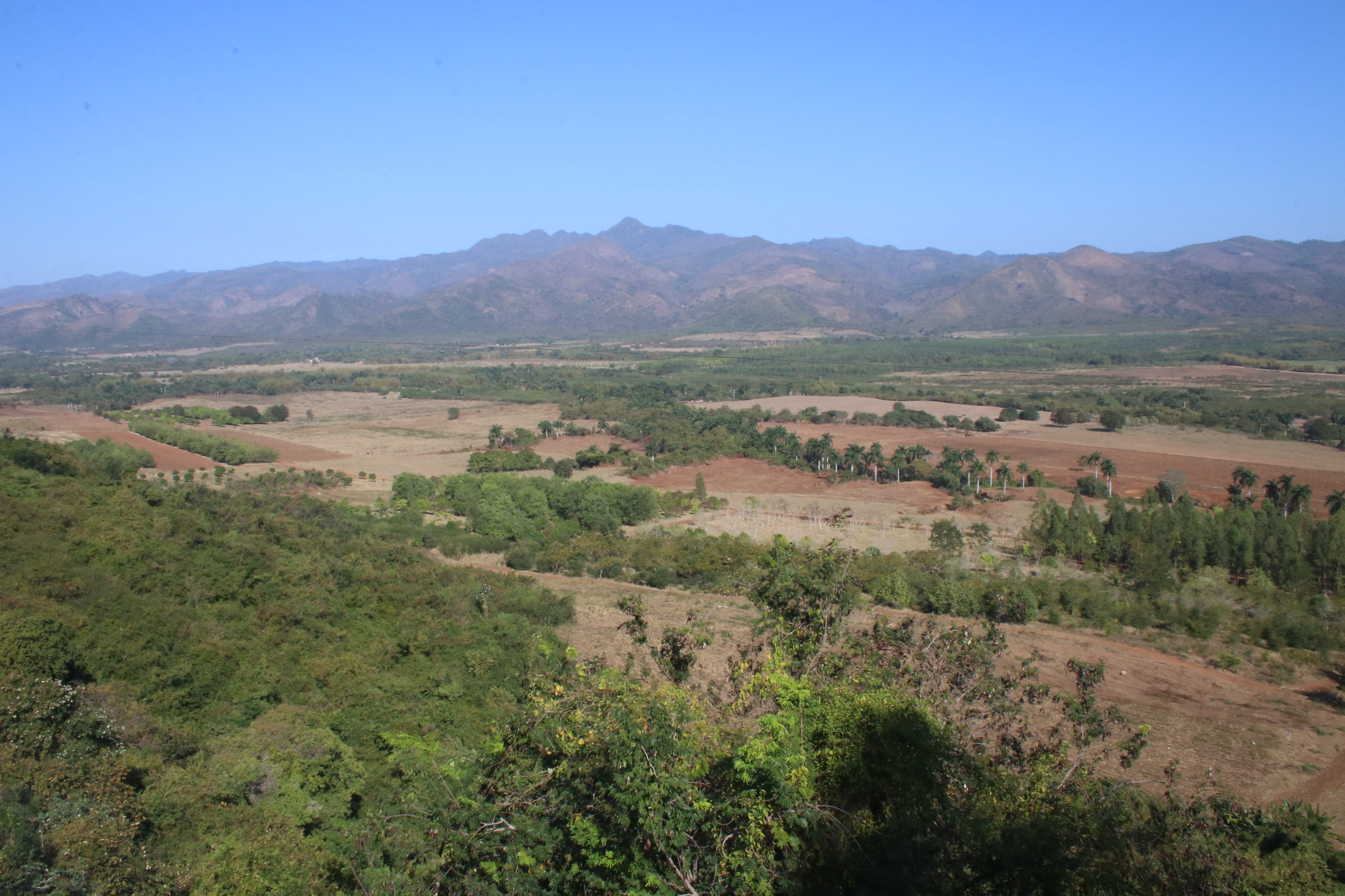
There were some wonderful views over the countryside.


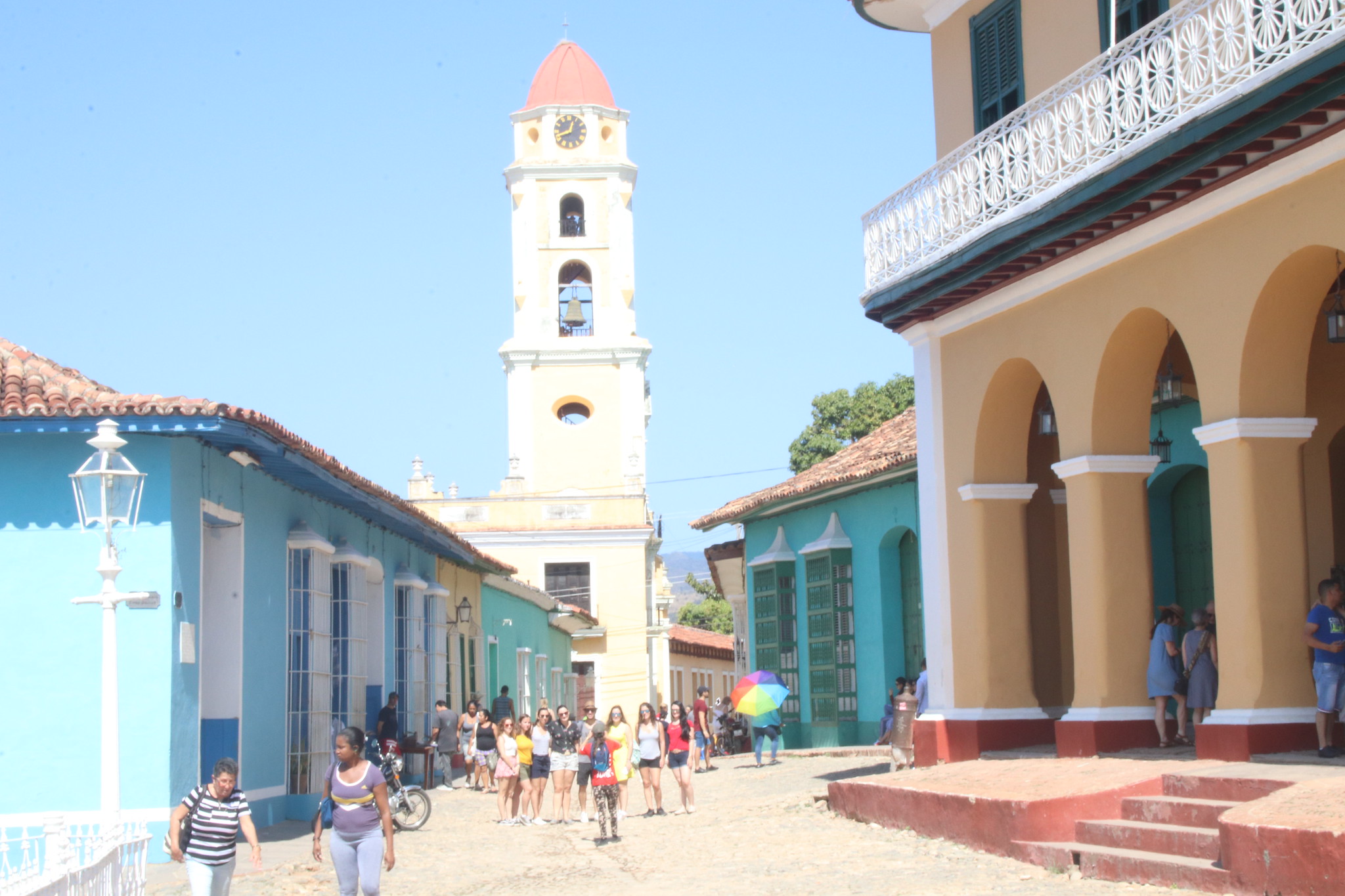
Iglesia y Convento de San Francisco de Asís, Trinidad 14-2-20

Iglesia y Convento de San Francisco de Asís, Trinidad 14-2-20

Our trip today ends in Trinidad – which is in Cuba and not elsewhere.  The above church is in Plaza Mayor but is now a museum.

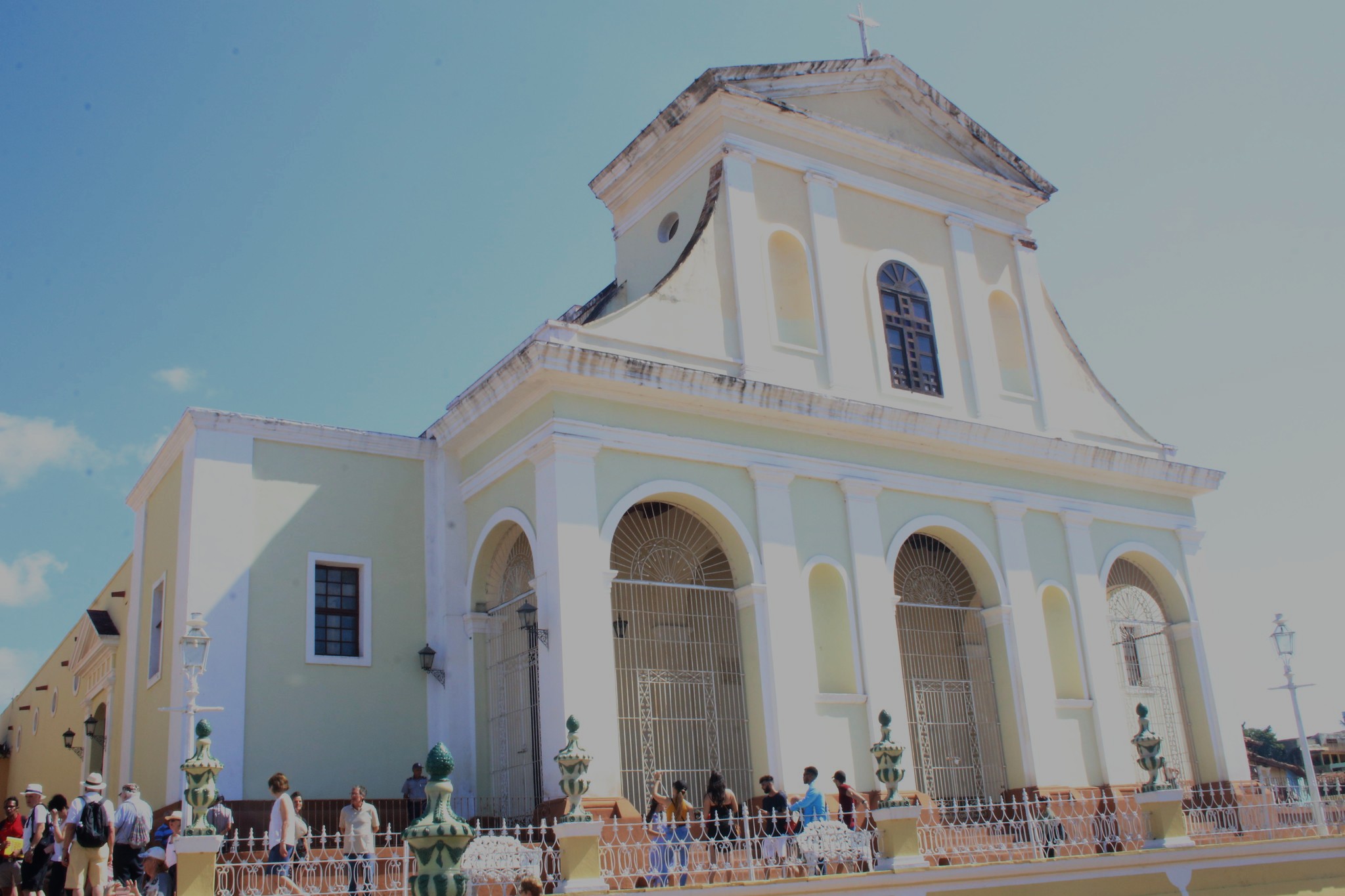
Church of the Holy Tirinity Trinidad 14-2-20

Church of the Holy Tirinity Trinidad 14-2-20

However it would seem that my camera was over exposing everything it recorded at this point.  Entirely my fault.


A slight disclaimer, this has been written over 6 years after the journey concerned so is very much based around the photographs taken on the day.
Cuba 13.2.20

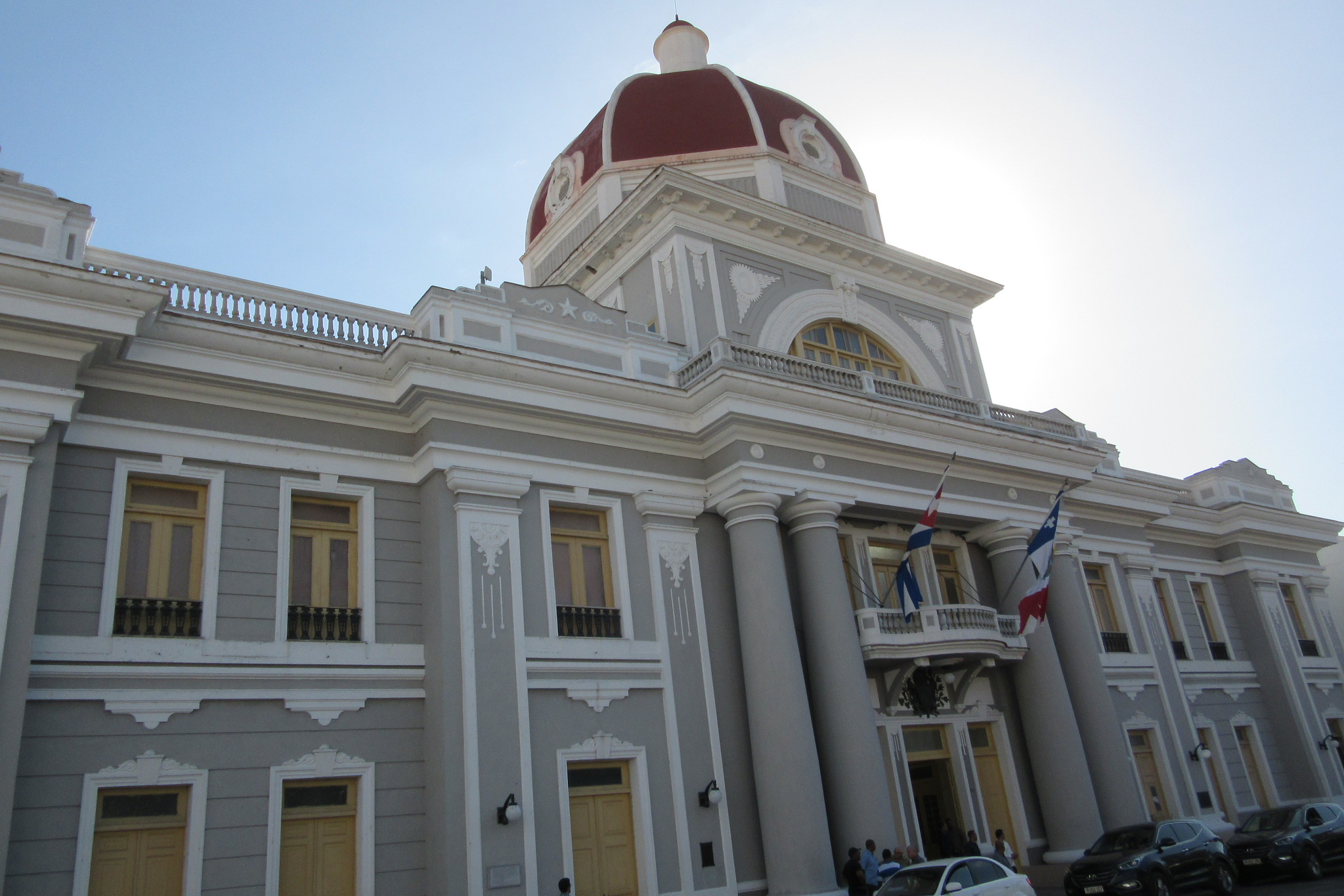
Palacio de Gobierno de Cienfuegos 13-2-20

Palacio de Gobierno de Cienfuegos 13-2-20

We have headed east and south from Havana this morning to Cienfuegos which is on the southern coast of Cuba.  Since 2005 the Urban Historic Centre of Cienfuegos  has been on the UNESCO World Heritage List, as the best extant example of early 19th century Spanish Enlightenment influence on urban planning.

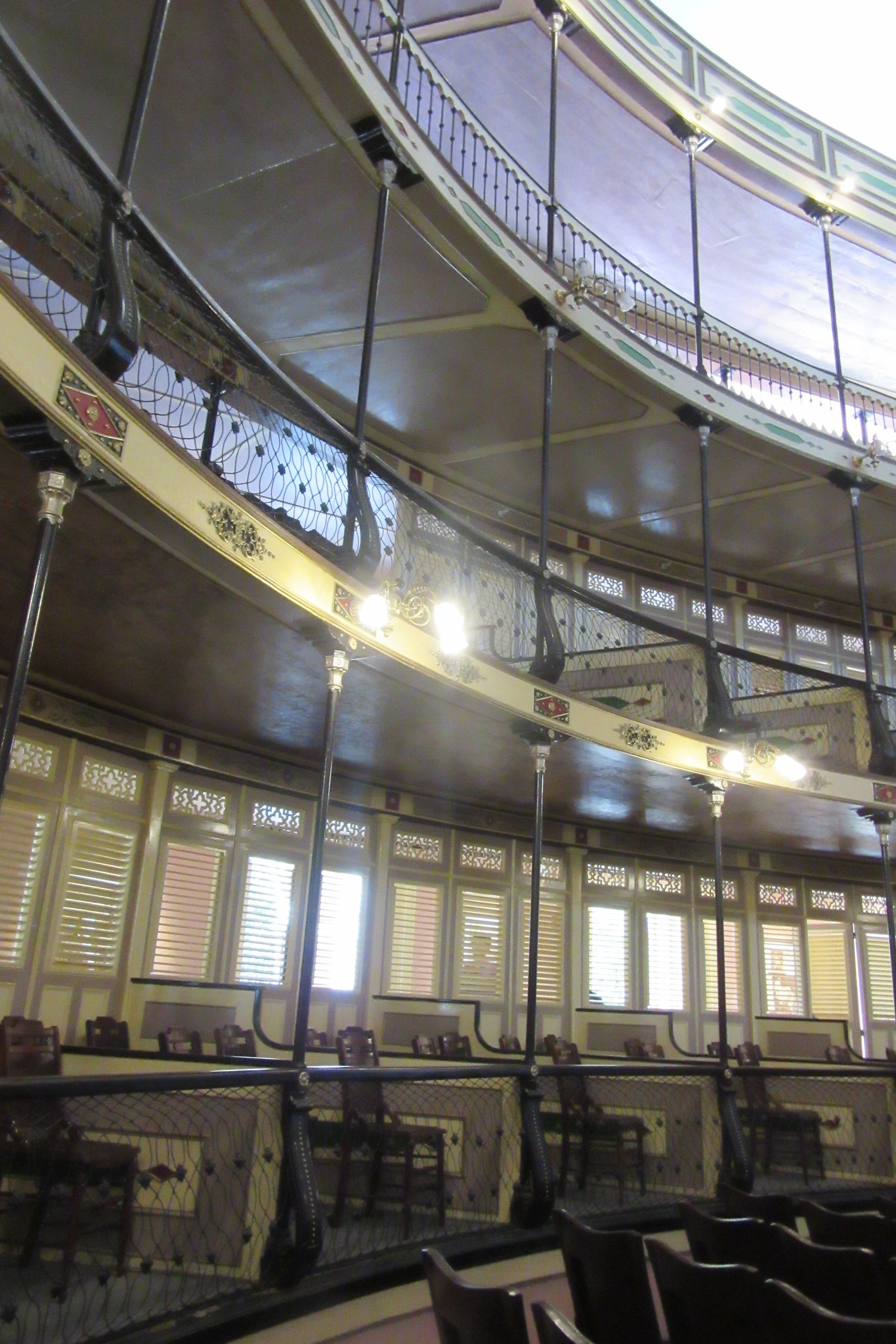
Tomás Terry Theatre Cienfuegos 13-2-20

Tomás Terry Theatre Cienfuegos 13-2-20

Cienfuegos has clearly experienced wealth in the past with the buildings and this magnificent theatre – Tomás Terry Theatre.  No relation to the late British comedian – he was a wealthy 19th Century Venezuelan-Cuban industrialist  Irish stock on his father’s side deriving his wealth initially from inevitably slavery and then sugar and banking leading to a claim that in 1886 at the time of his death he was the richest man in Cuba.  The first performance in the theatre took place in 1890 so he did not live to see it.

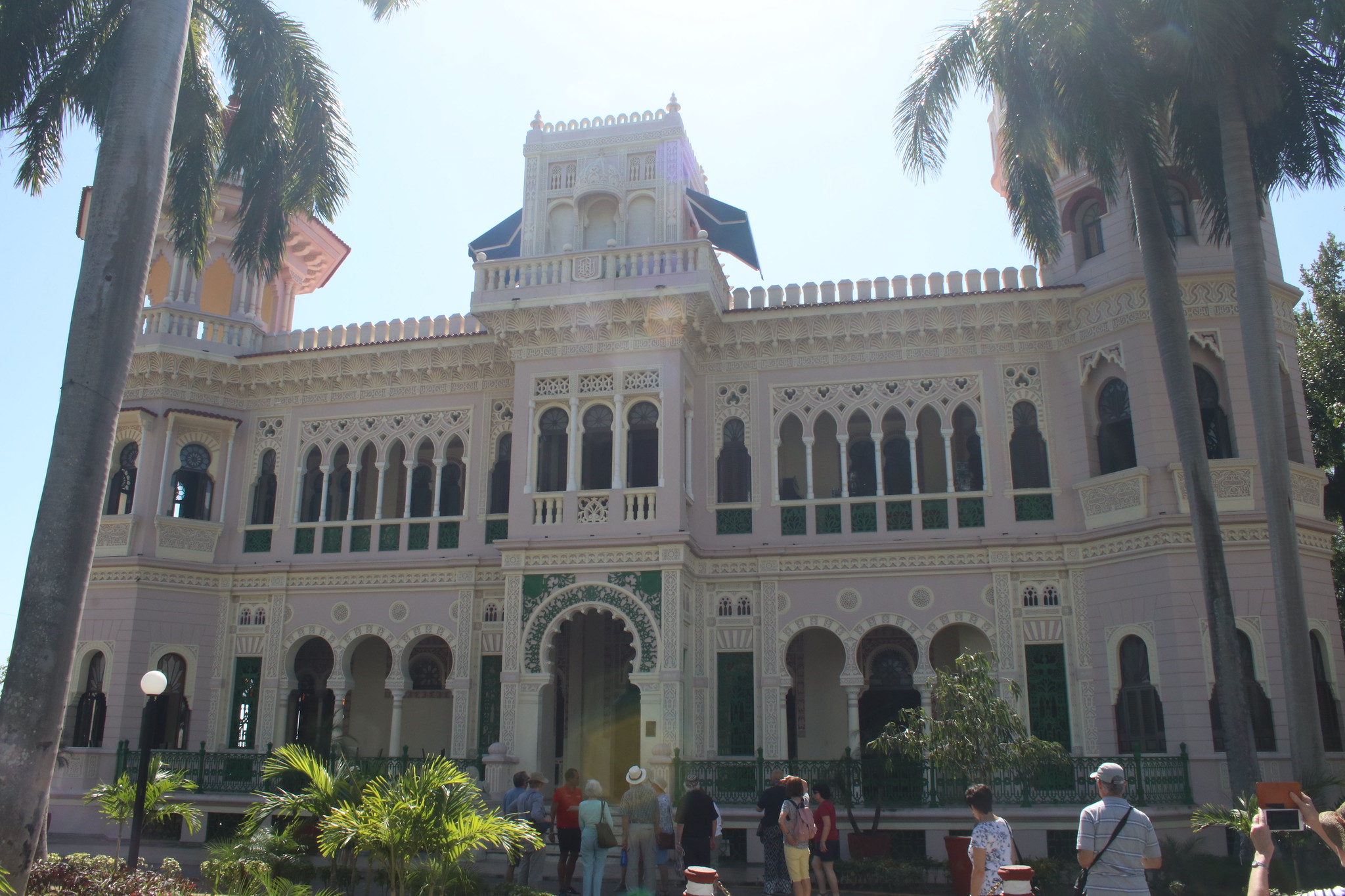
Palacio de Valle Cienfuegos 13-2-20

Palacio de Valle Cienfuegos 13-2-20

Built in 1917 the Palacio de Valle is further evidence of the wealth of the local merchants – in this case Aciscio del Valle Blanco and this is now a National Monument functioning as a hotel and restaurant.

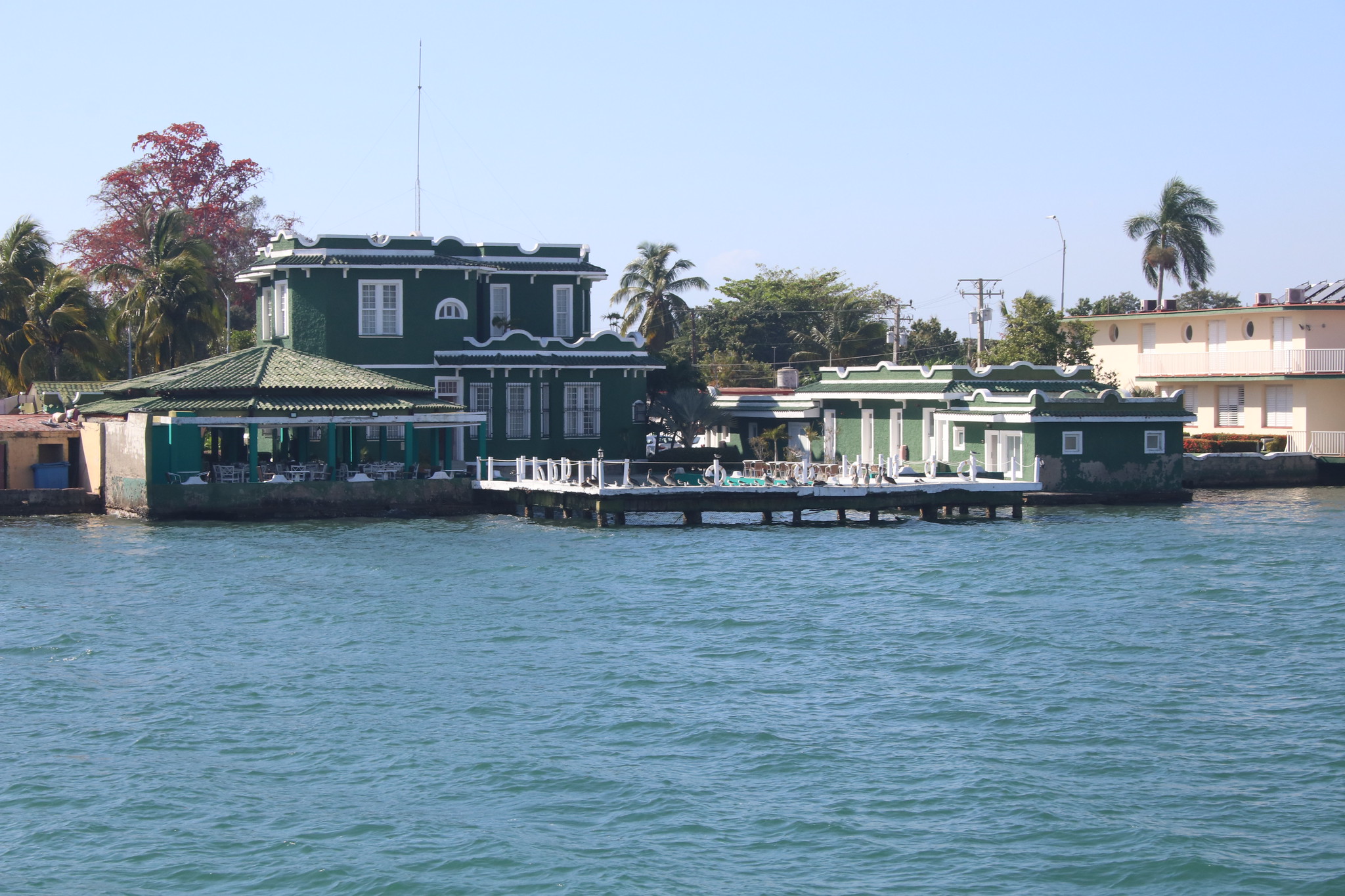
Waterfront Cienfuegos 13-2-20

Waterfront Cienfuegos 13-2-20

We board a boat for effectively a trip around the Bahia de Cienfuegos during which we can see the local waterfront properties some of which are quite impressive.   In the far distance the location of the Planta Nuclear de Juraguá is indicated – a Russian funded nuclear power station which produces a significant proportion of the island’s electricity.

This trip remains in the memory for reasons other than the sights.  We were the first group to board and naturally we occupied seats along the rails.  A second party joined the boat and there was much shuffling and juggling as they sought to insert themselves within the existing participants.  It transpired that they were of a group of Jewish people and the impression they gave of themselves was not entirely positive.  However such is life.


A slight disclaimer, this has been written over 6 years after the journey concerned so is very much based around the photographs taken on the day.
Cuba 12.2.20

Havana 12-2-20Havana 12-2-20

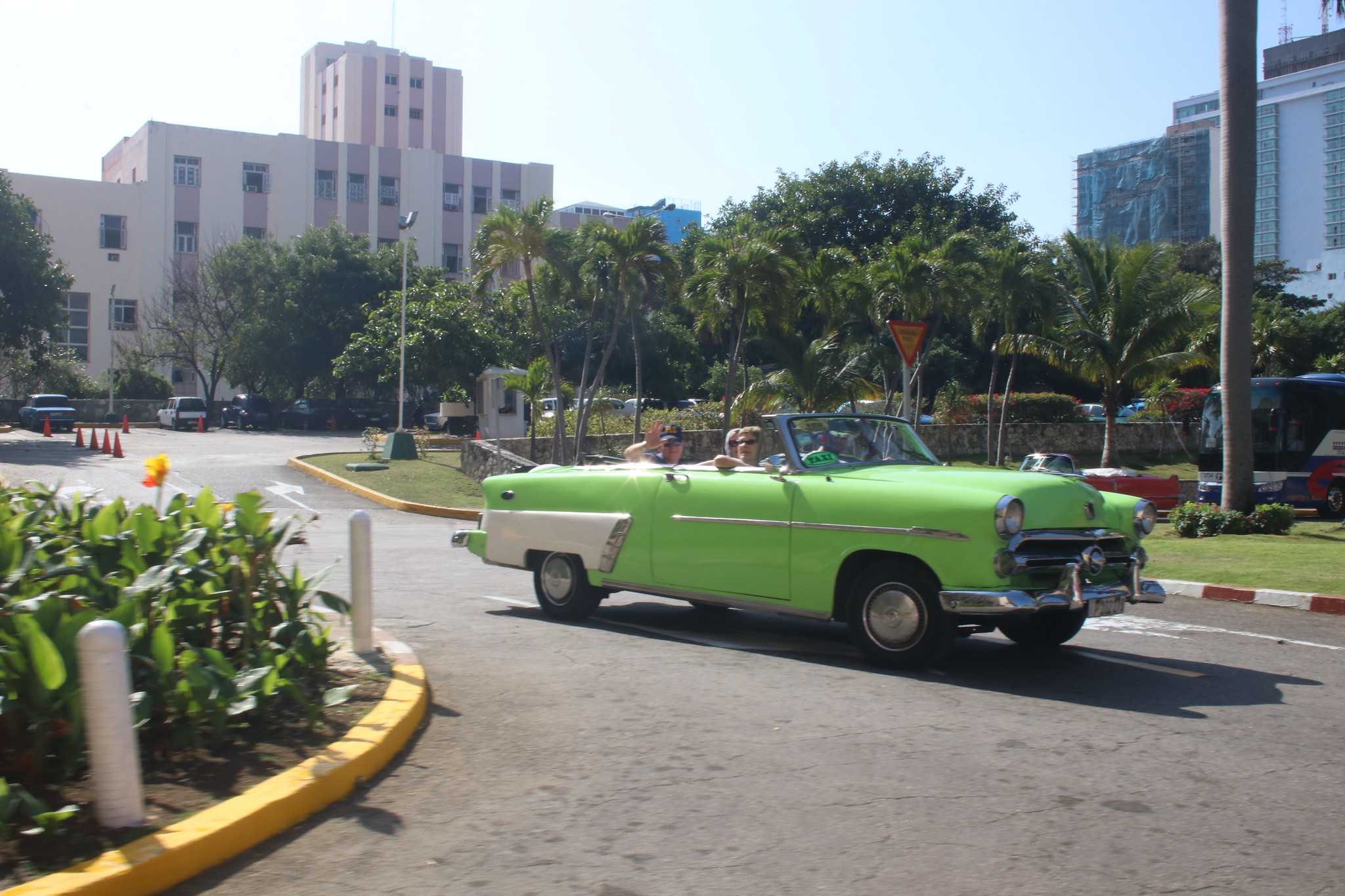
Yesterday evening we returned to Havana before our visit to the centre of the island but there is time to visit some local sights missed during our earlier stay in the City.  Plus the weather is slowly improving.  One of the expected sights in Havana of course are the cars which can be seen as we progress.


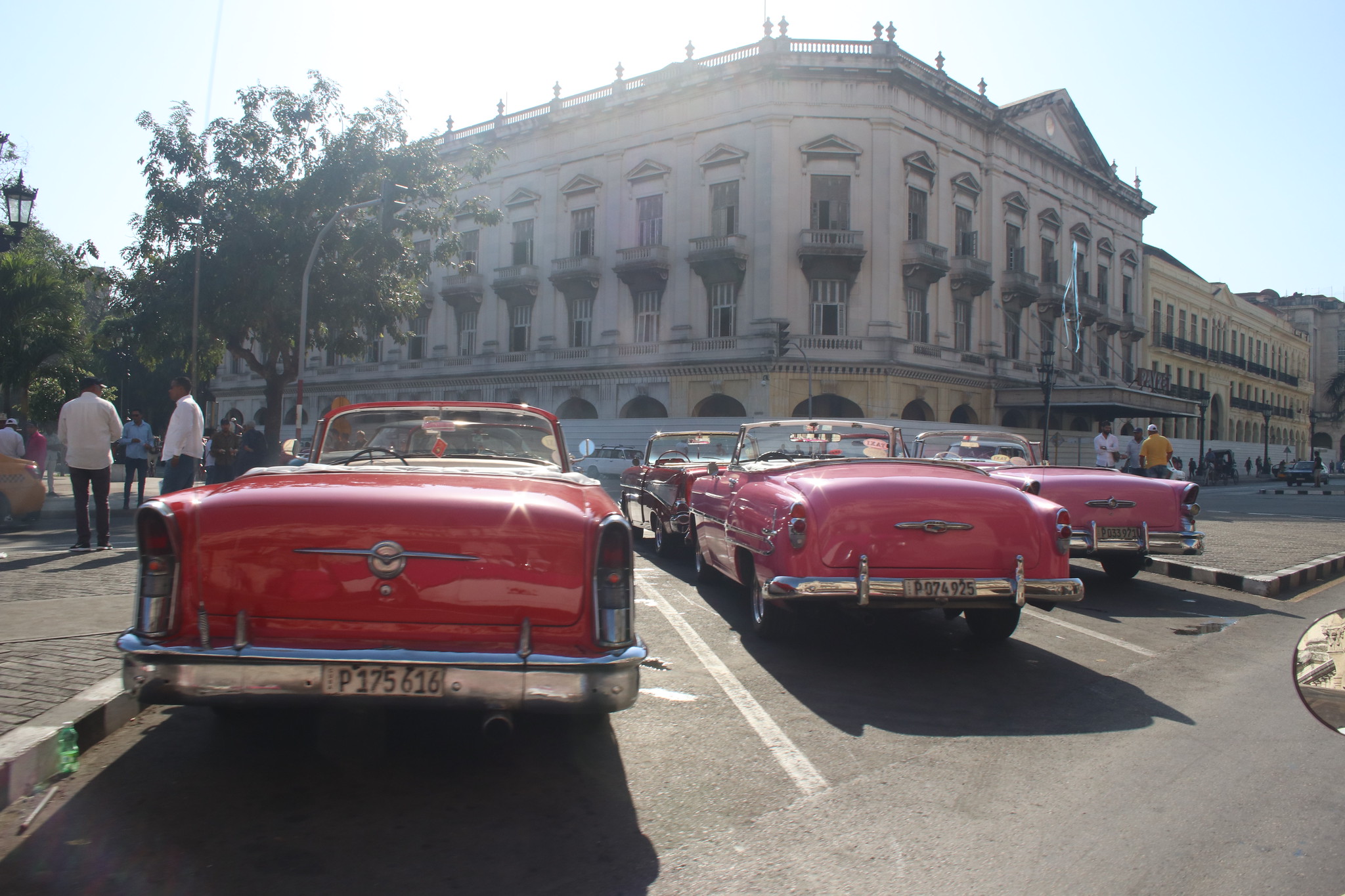
Cars Havana 12-2-20

Cars Havana 12-2-20

We also partook with a trip around the town in one of these beauties – the pink one if I remember correctly.  Majestic and with the weather working with us for a change.

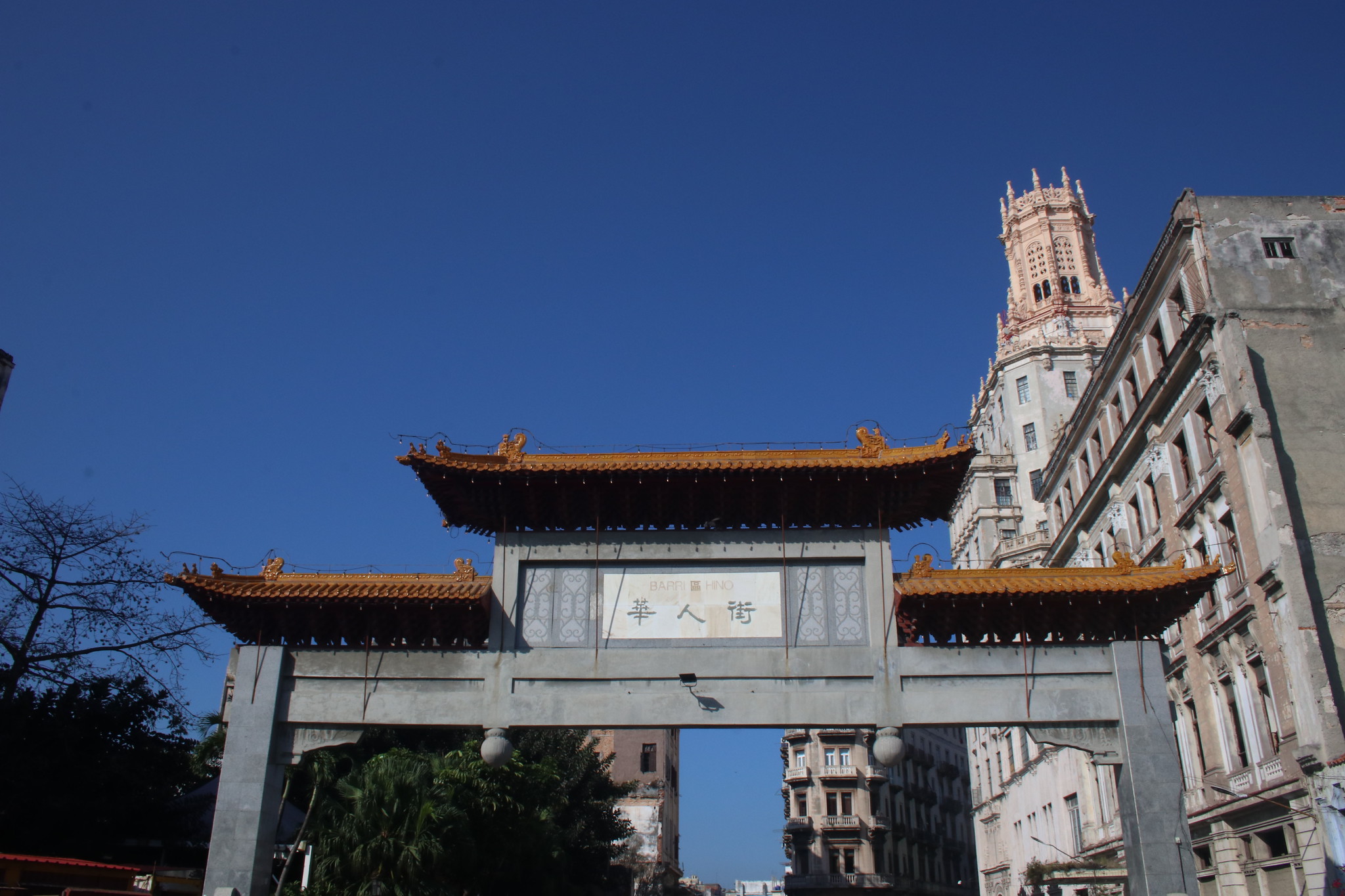
Barrio Chino Havana 12-2-20

Barrio Chino Havana 12-2-20

In most major ports in the world there is evidence that Chinese sailors have been there – Chinatown in Central London, San Francisco has similar and even Havana has evidence with the Barrio China.  And finally clear blue sky,

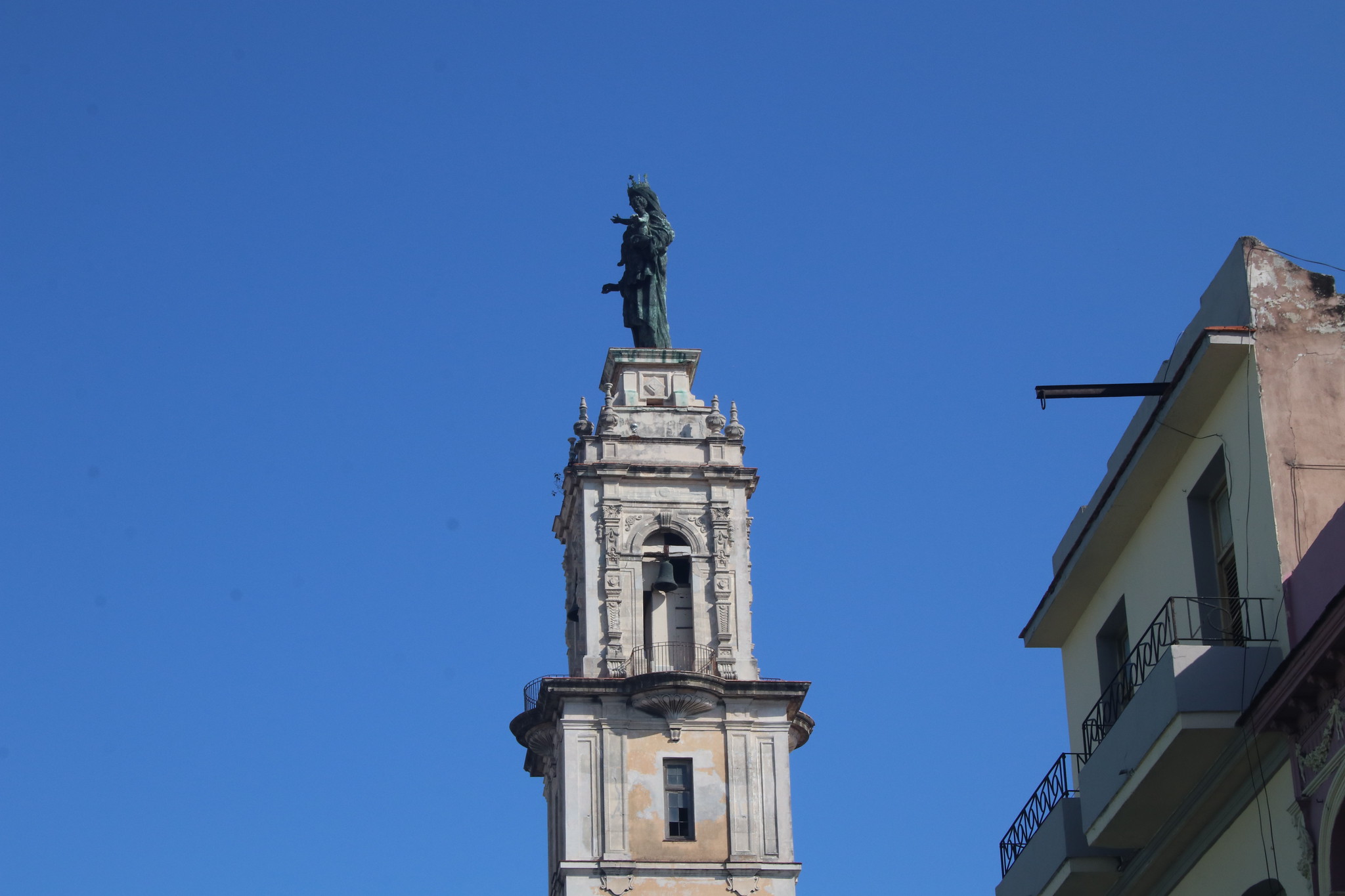
Bell Tower and Statue Havana 12-2-20

Bell Tower and Statue Havana 12-2-20

The biggest mystery of all is that I have been had some difficulty identifying the above but have finally decided it must be the Statue of Virgin Mary at Nuestra Senora del Carmen Church although no other photographs show other buildings quite so close as mine does.  A trick of using a telephoto lens I guess.

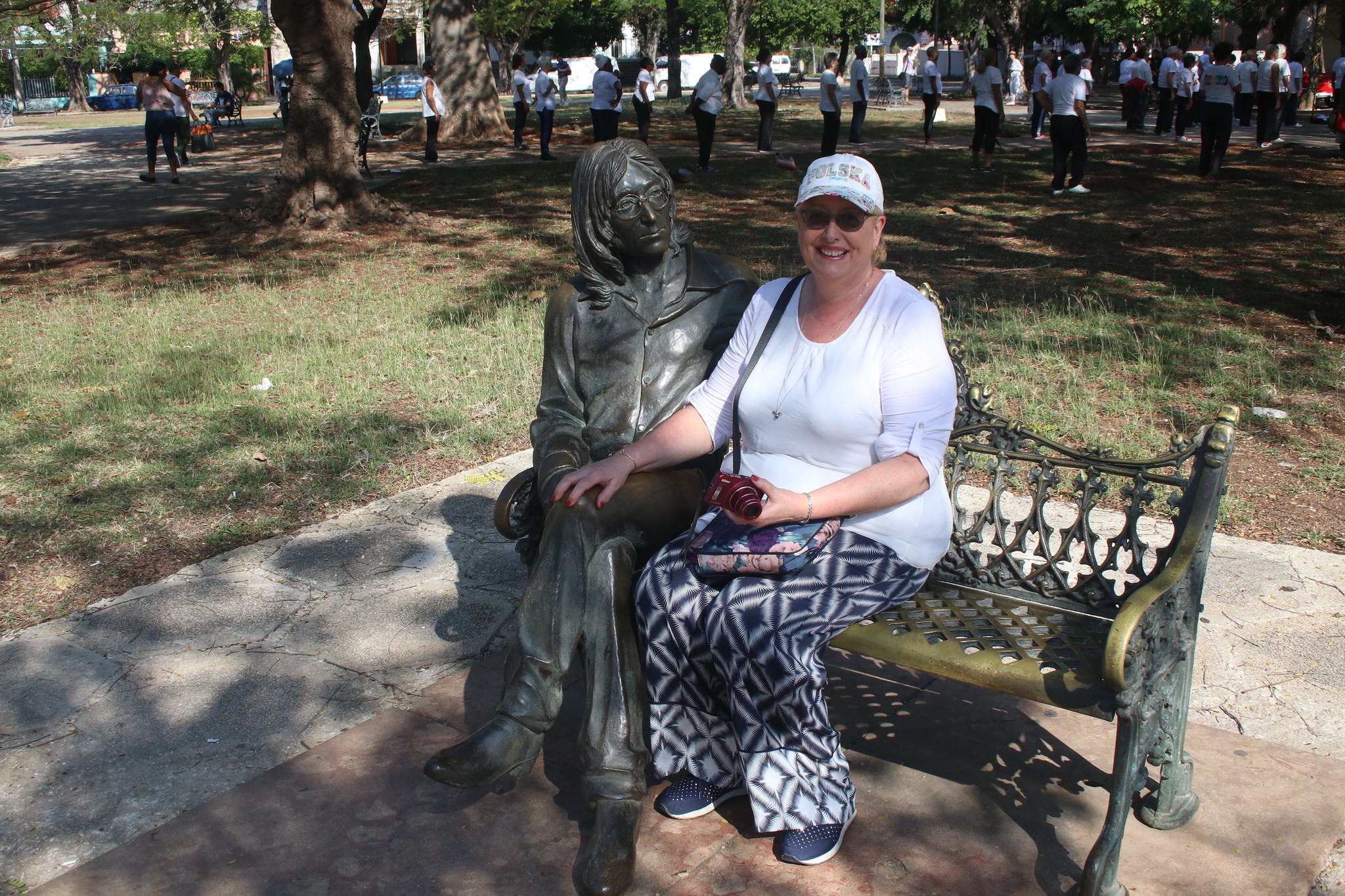
Jackie and John Lennon Havana 12-2-20

Jackie and John Lennon Havana 12-2-20

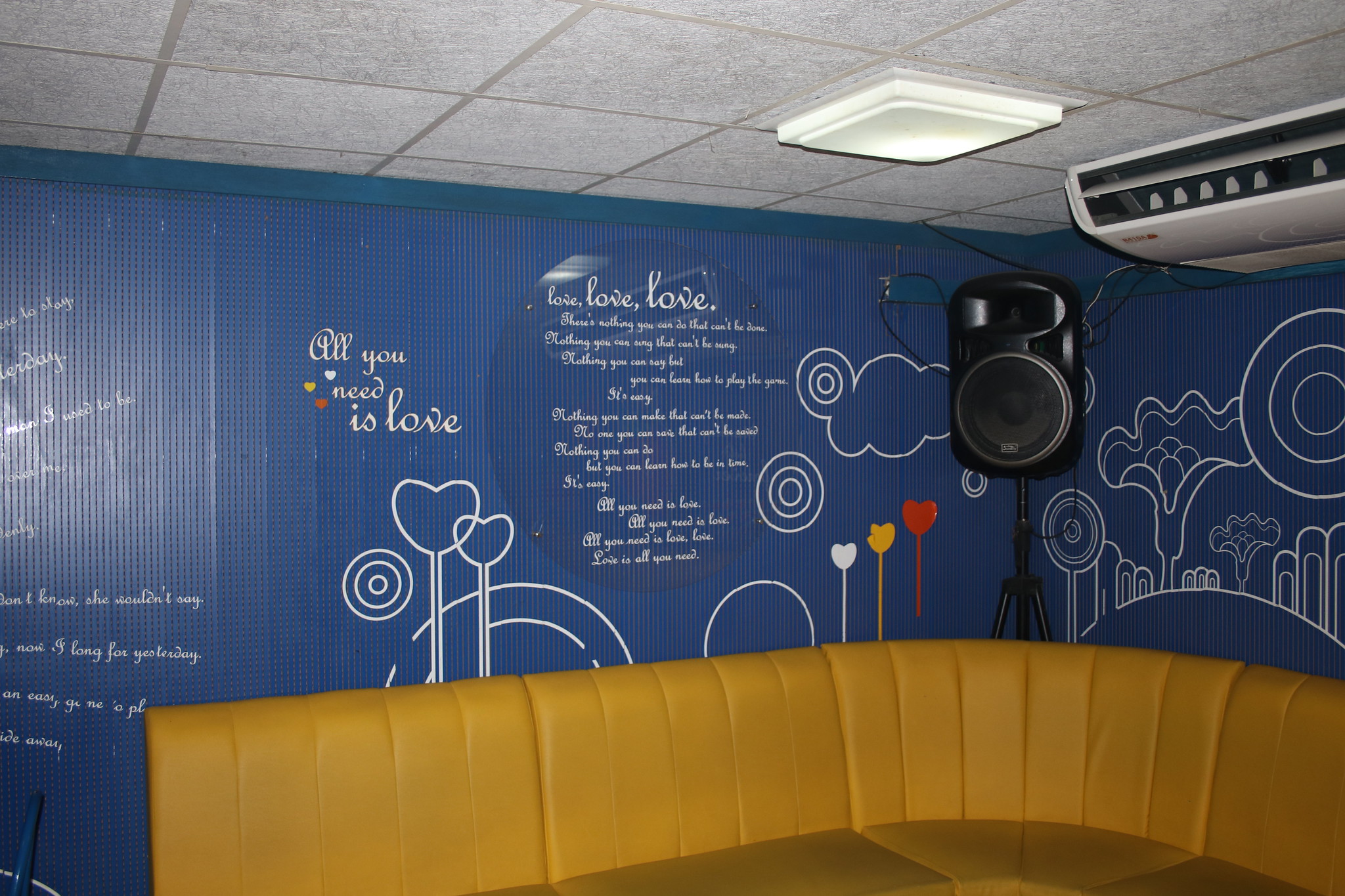
Much easier to identify is John Lennon (and Jackie) in John Lennon Square.  Fidel Castro considered the musician to be a revolutionary anti-war hero rather than a symbol of western decadence unveiling the statue in 2000.  It is adjacent to the Yellow Submarine Café which we visited,

Yellow Submarine Cafe 12-2-20

Yellow Submarine Cafe 12-2-20

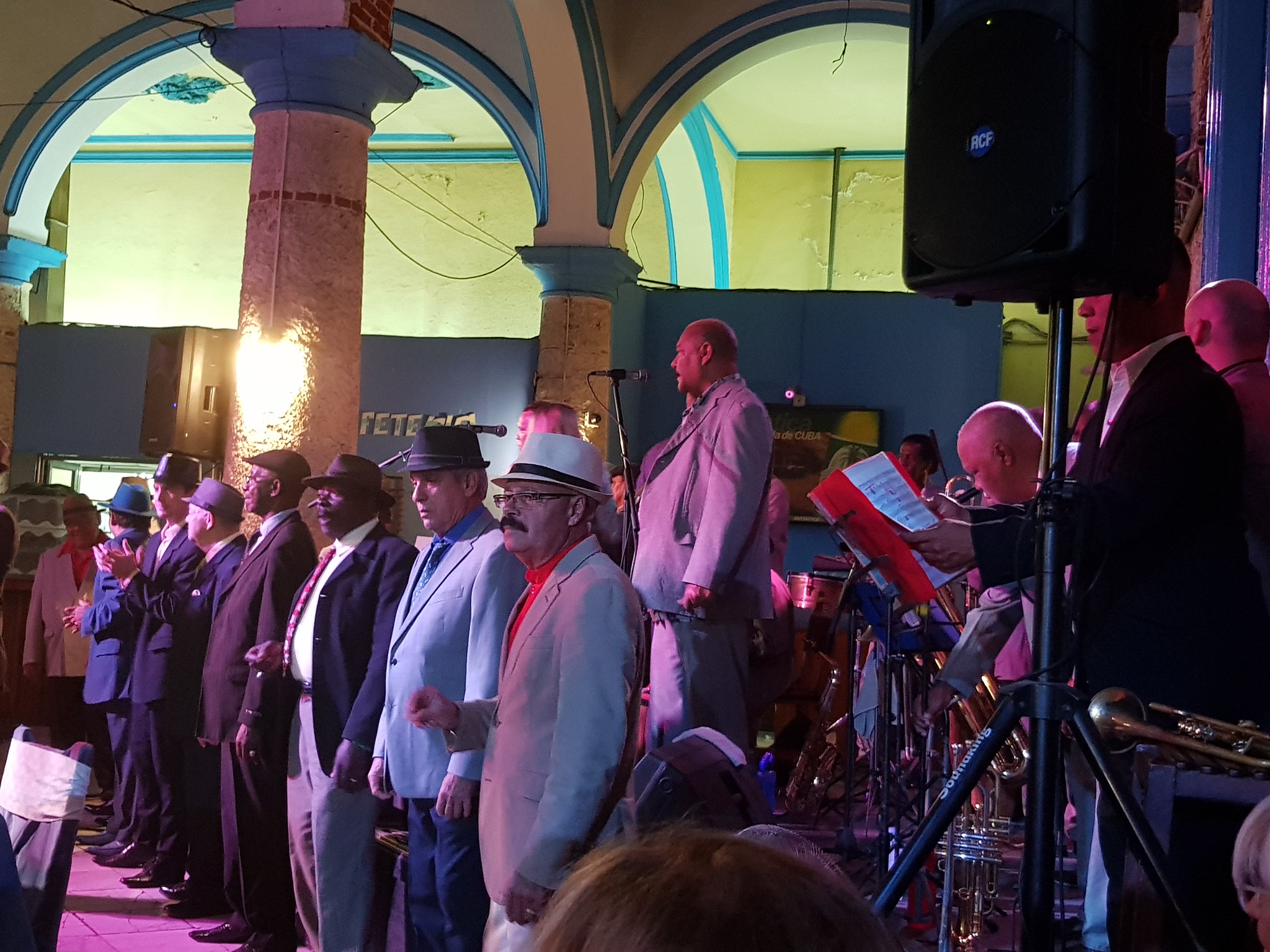
Bringing the music up to date in the evening we visited the Buena Vista Social Club.

Buena Vista Social Club 12-2-20

Buena Vista Social Club 12-2-20

Obviously the lyrics were incomprehensible but somehow it seemed certain that the female singers were decrying the male of the species whilst the latter were expressing the undying love for the former.  Unlike Fado it did not seem quite so easy to transcend the language barrier, however we have been and we have experienced it in their home surroundings.


A slight disclaimer, this has been written over 6 years after the journey concerned so is very much based around the photographs taken on the day.
Cuba 11.2.20

 
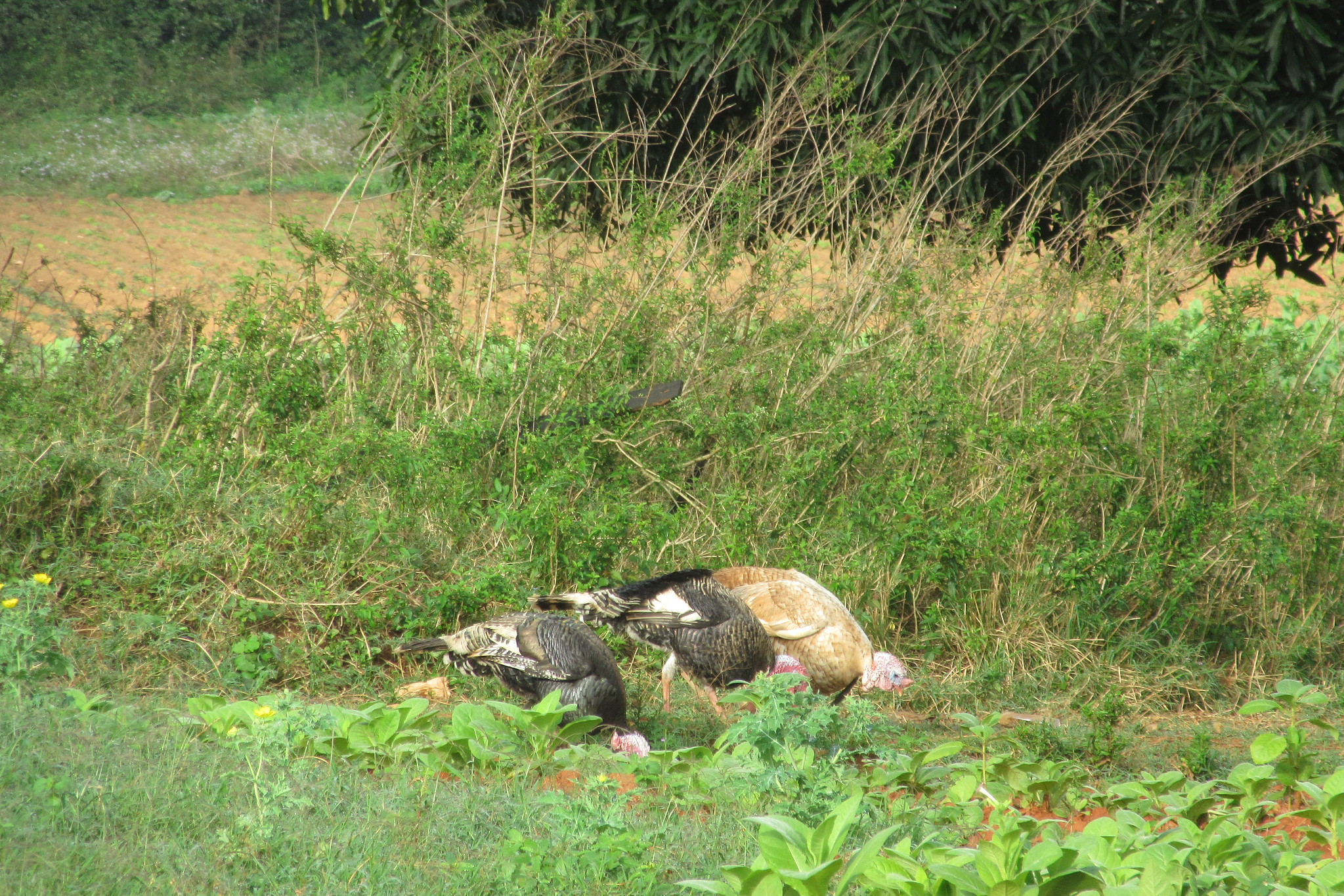
Turkeys Cuba 11-2-20

Turkeys Cuba 11-2-20

The itinerary today is to take a first look at the tobacco industry – at source – with a  tobacco farm.  Around the edge of the tobacco fields there are a number of turkeys looking for sustenance and the owner has a collection of other animals in a small petting zoo.

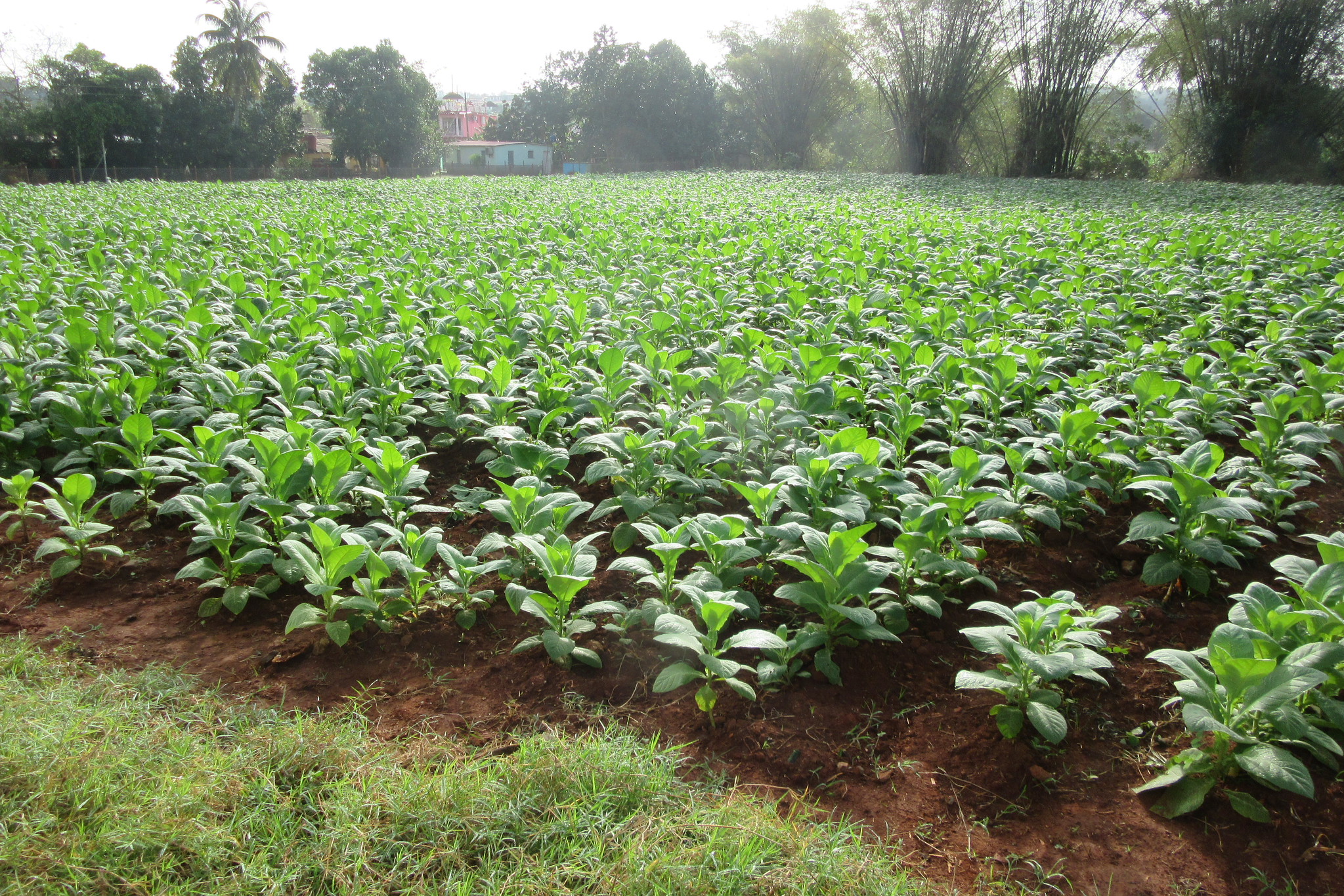
Tobacco in the wild 11-2-20

Tobacco in the wild 11-2-20

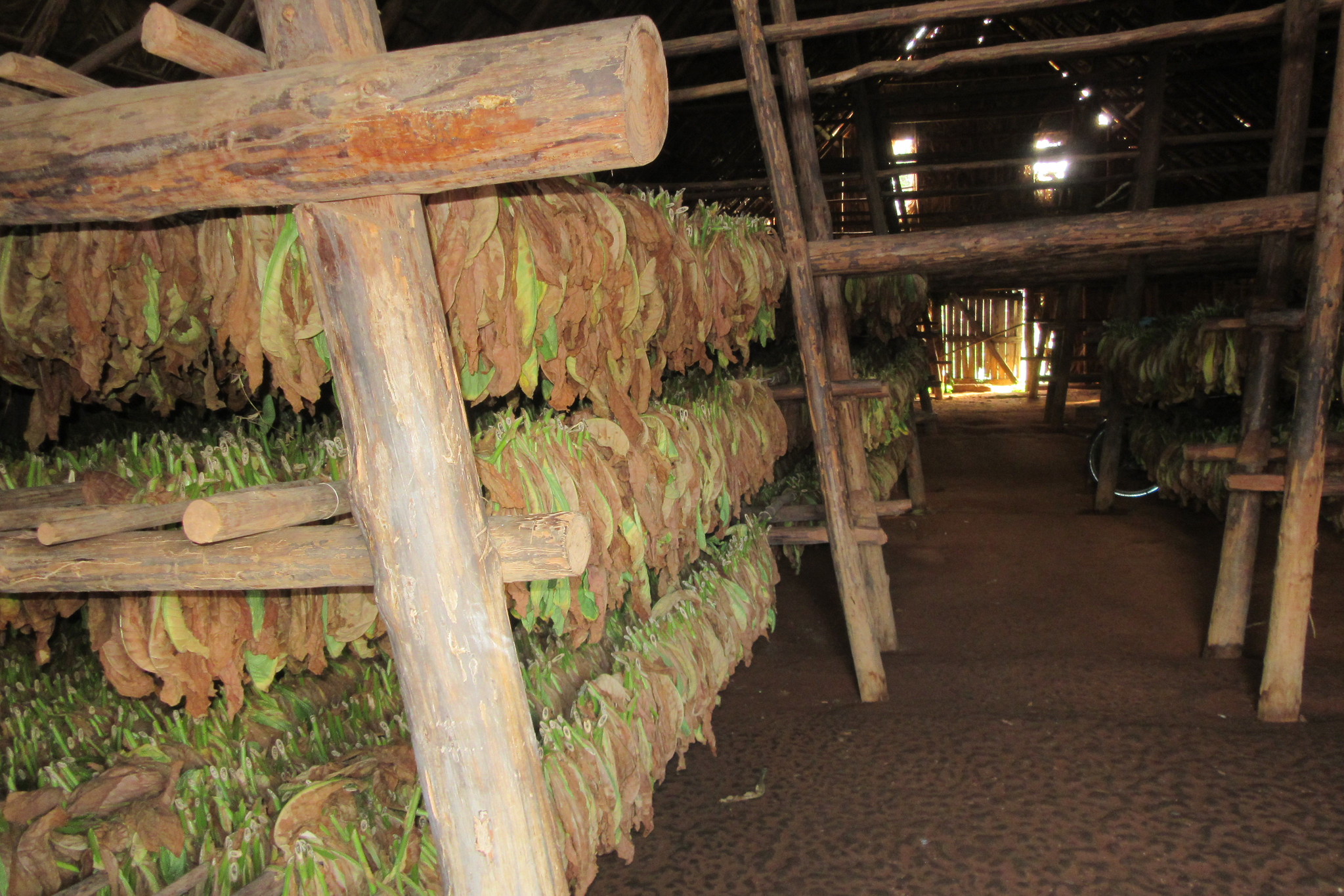
Tobacco has long been a major industry and clearly remained important at the time of our visit despite the constant preaching against smoking in most places.   The plants grow quickly and reach maturity for harvesting in around three months – so more than one crop a year.  The tobacco is dried and fermented in bohio where the leaves typically are left for three months before being sprayed to impart some sweetness and then allowed to remain for a further three months to ensure the right flavour is achieved.  

Bohio tobacco drying 11-2-20

Bohio tobacco drying 11-2-20

By this stage I think we have all been infused with the smell of tobacco.  They did demonstrate how to roll a cigar but I have to report that the photographs are poor due to the light levels.

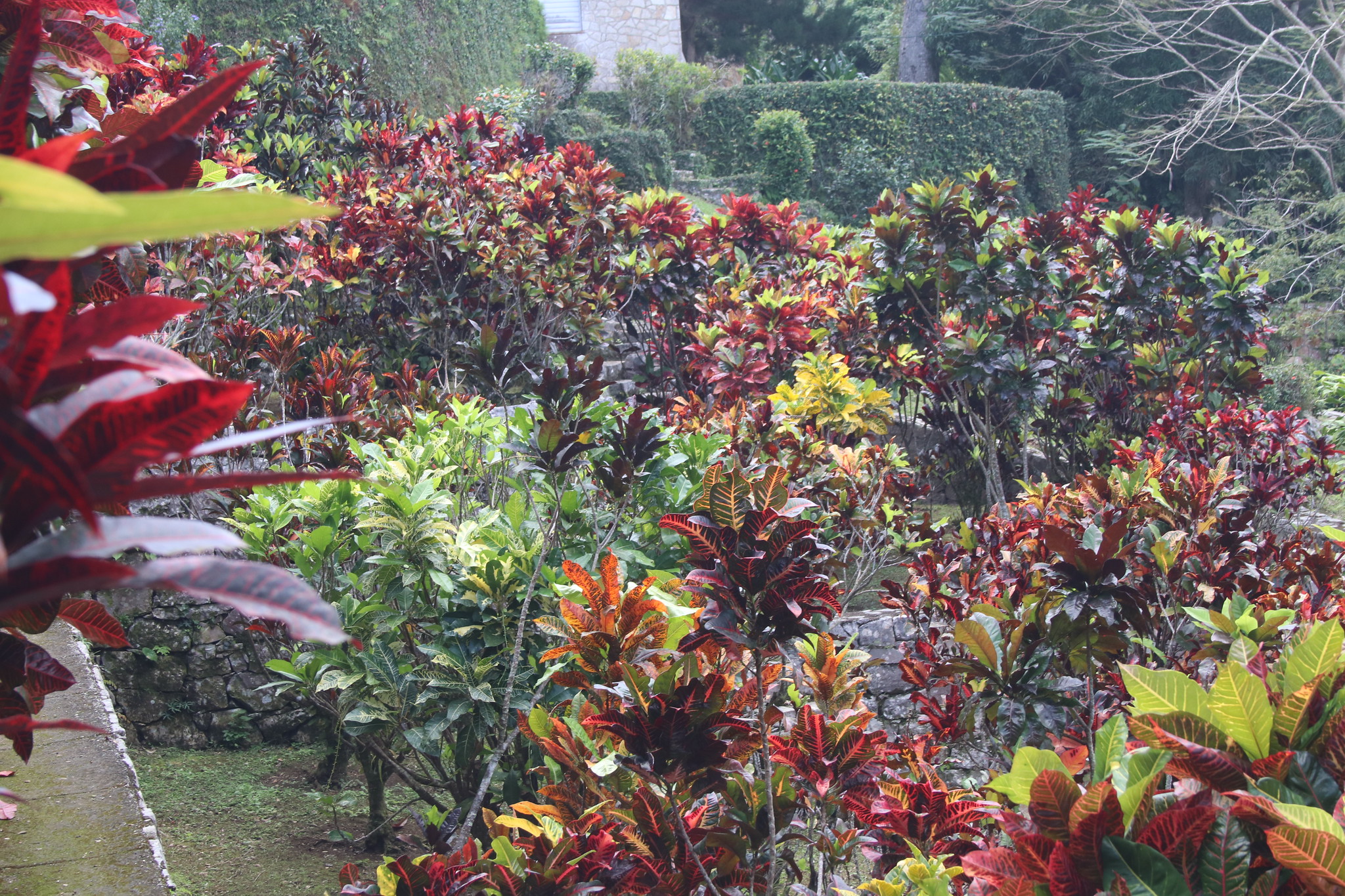
Soroa Orchid Gardens 11-2-20

Soroa Orchid Gardens 11-2-20

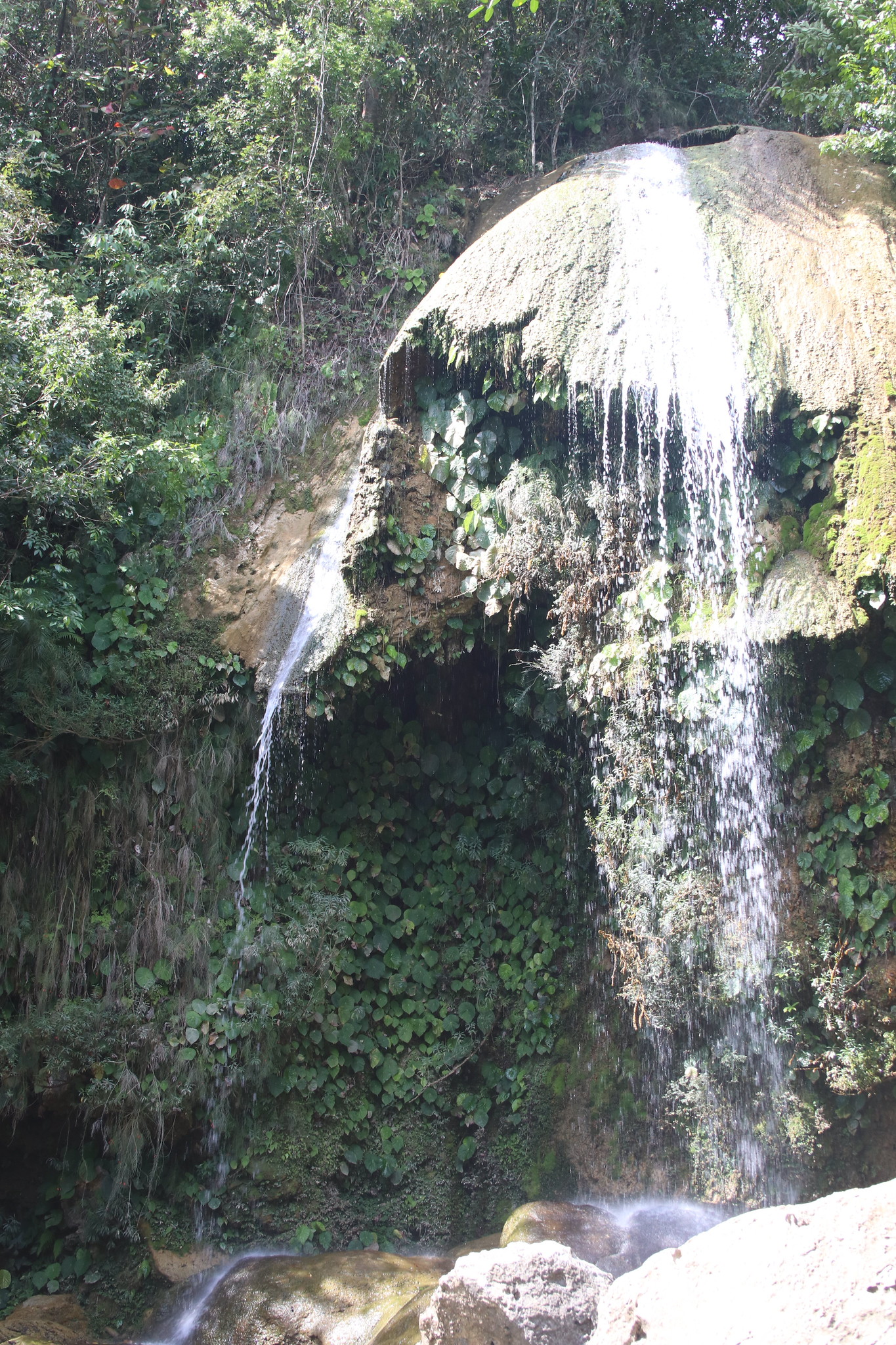
We move onto the Soroa Orchid Garden which we wander around before reaching the waterfall which enabled me to identify just where we were through a reverse search as all memory of the orchid garden had deserted me!

Soroa Waterfall 11-2-20

Soroa Waterfall 11-2-20

I am also convinced that first thing this morning we visited a tobacco factory in Vinales itself – but I do not seem to have any photographic record of this and it is possible that photography was not permitted within the factory itself.


A slight disclaimer, this has been written over 6 years after the journey concerned so is very much based around the photographs taken on the day.
Cuba 10.2.20

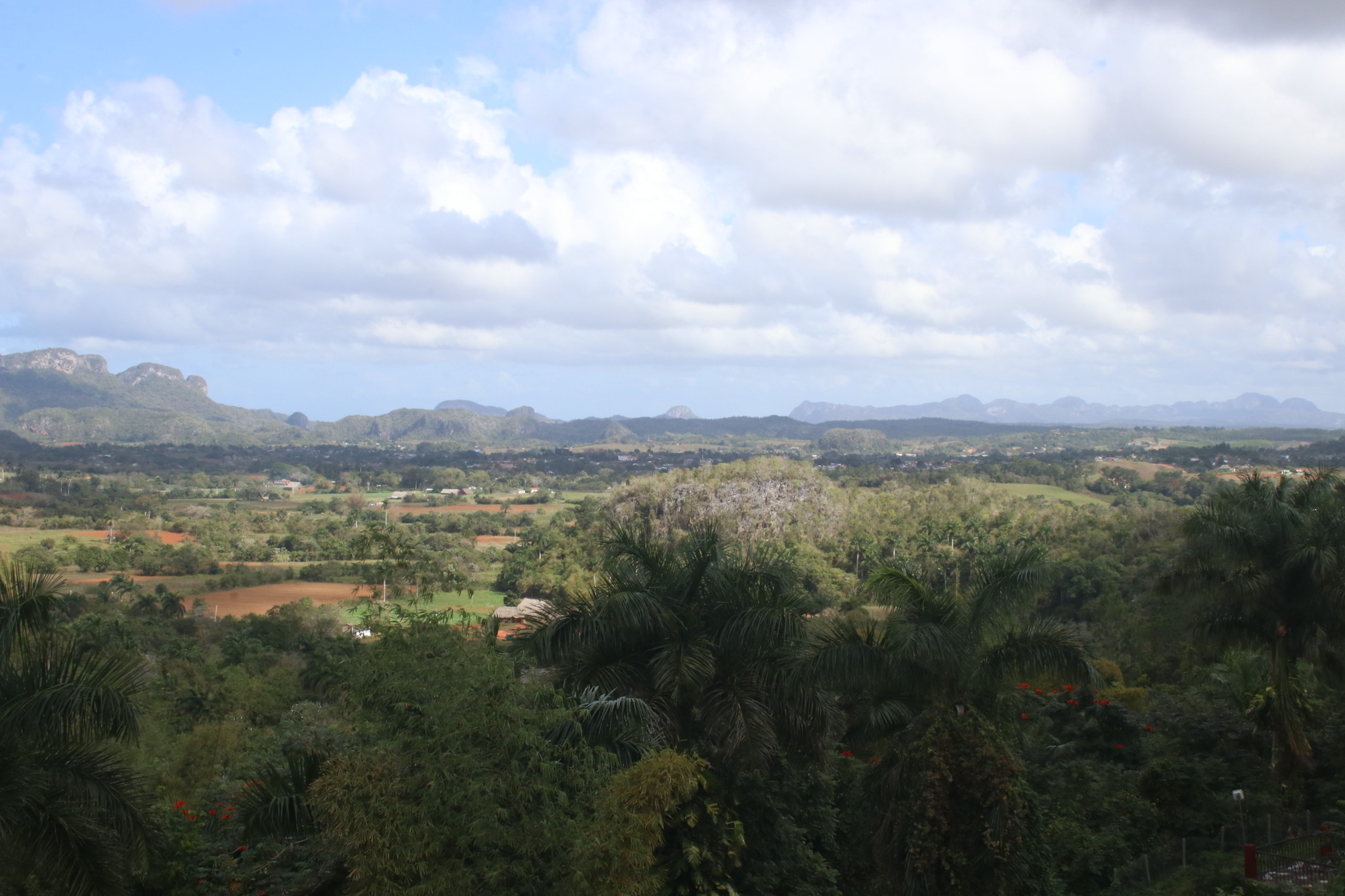
Cuba Scenery 10-2-20

Cuba Scenery 10-2-20

We remain in the west of the island.  The hotel we stayed in had some wonderful views and also a rather nice area in which to sit looking out over the view – with the countryside stretching into the distance.

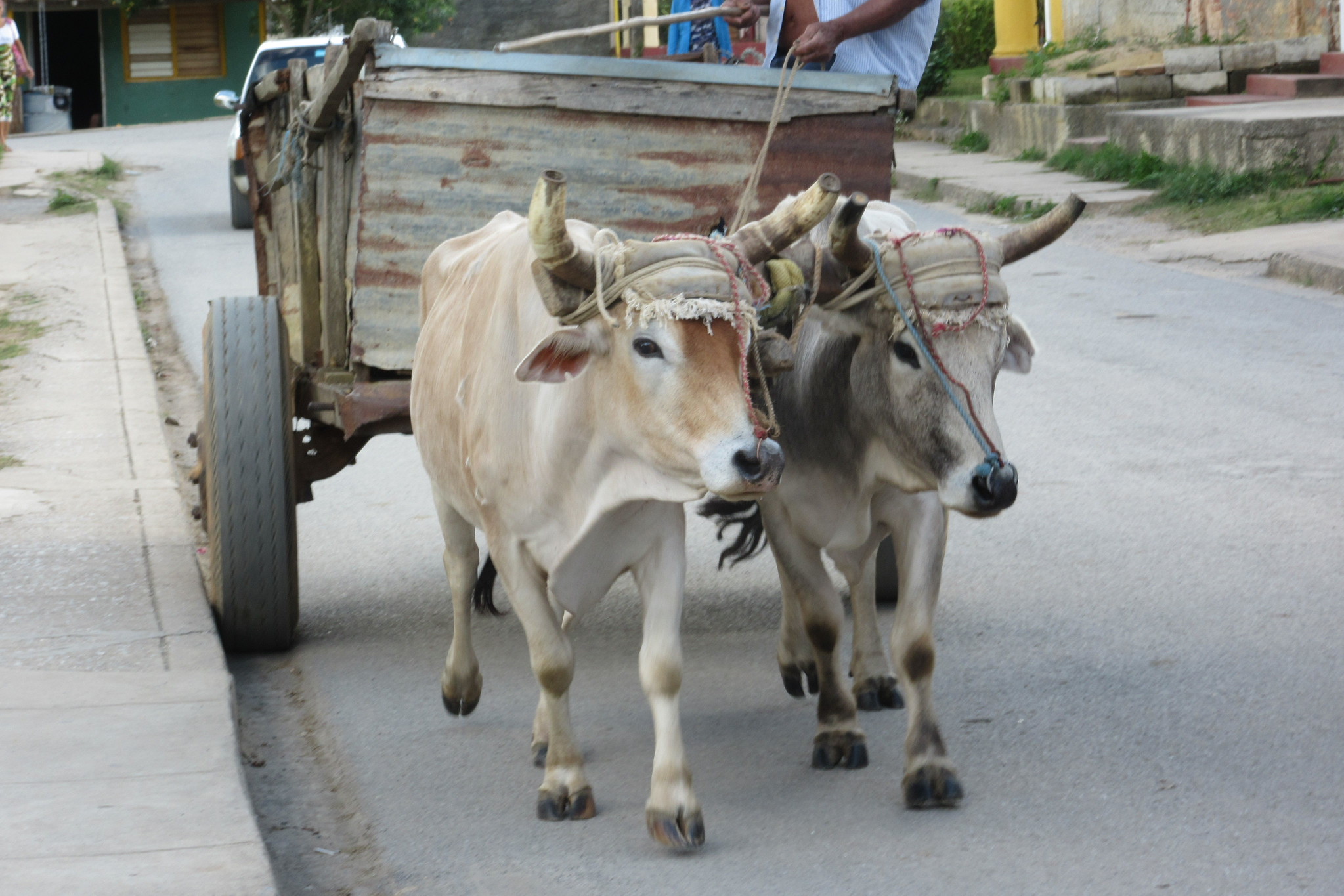
Keep it Moovin' 10-2-20

Keep it Moovin’ 10-2-20

Looking just a little out of place at the time was the bullock cart but I wonder how many of these have been resurrected in more recent times to provide transport for countryside residents?

Caves Cueva del Indio 10-2-20

Caves Cueva del Indio 10-2-20

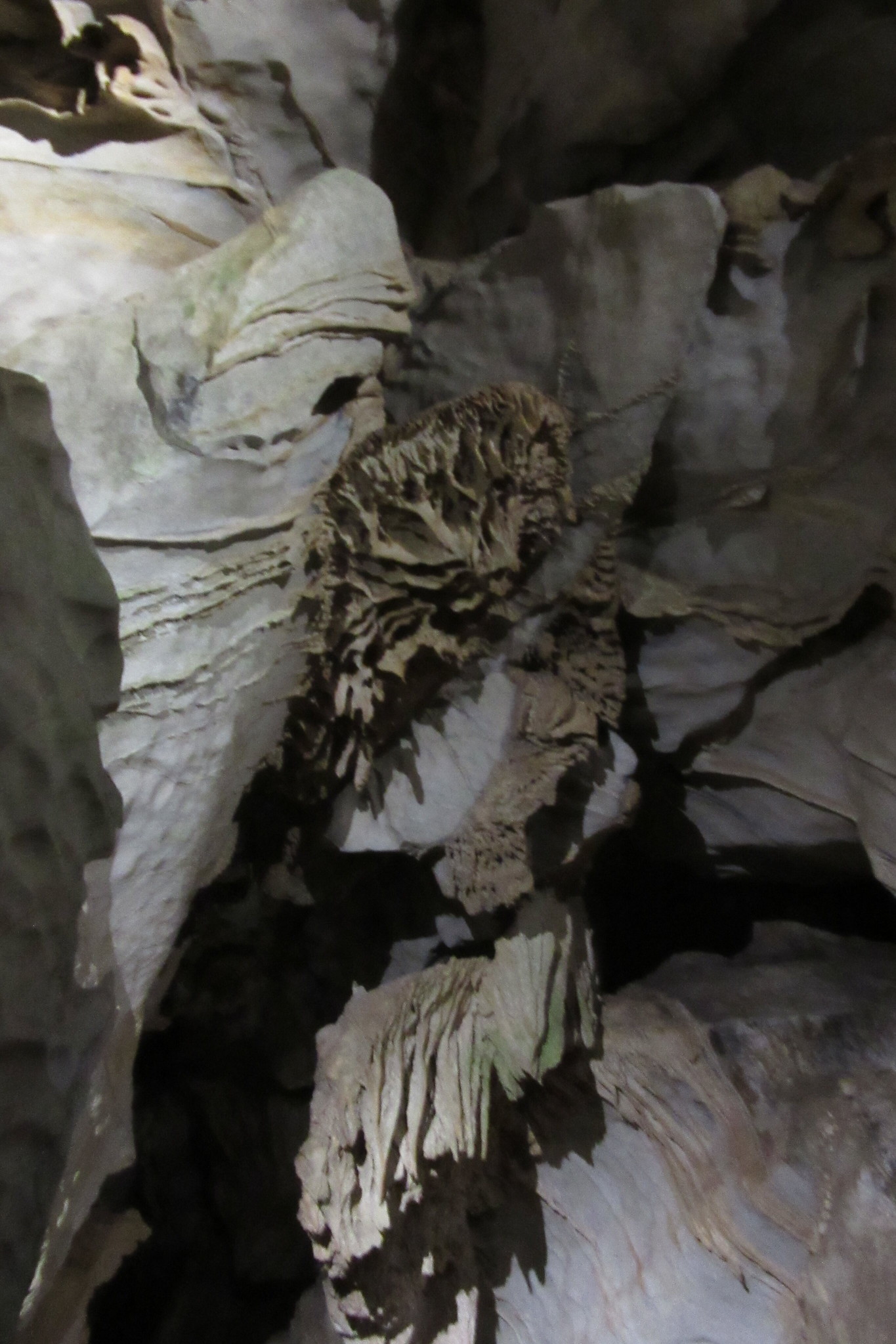
I have visited caves in many places and I cannot get decent photographs no matter how I try.  Entering the caves here requires navigating a lot of steps up (outside) and then down (inside).  Leaving the cave system is by boat which is a lot easier but dark – hence no photographs.

Prehistoric Mural 10--2-20

Prehistoric Mural 10–2-20

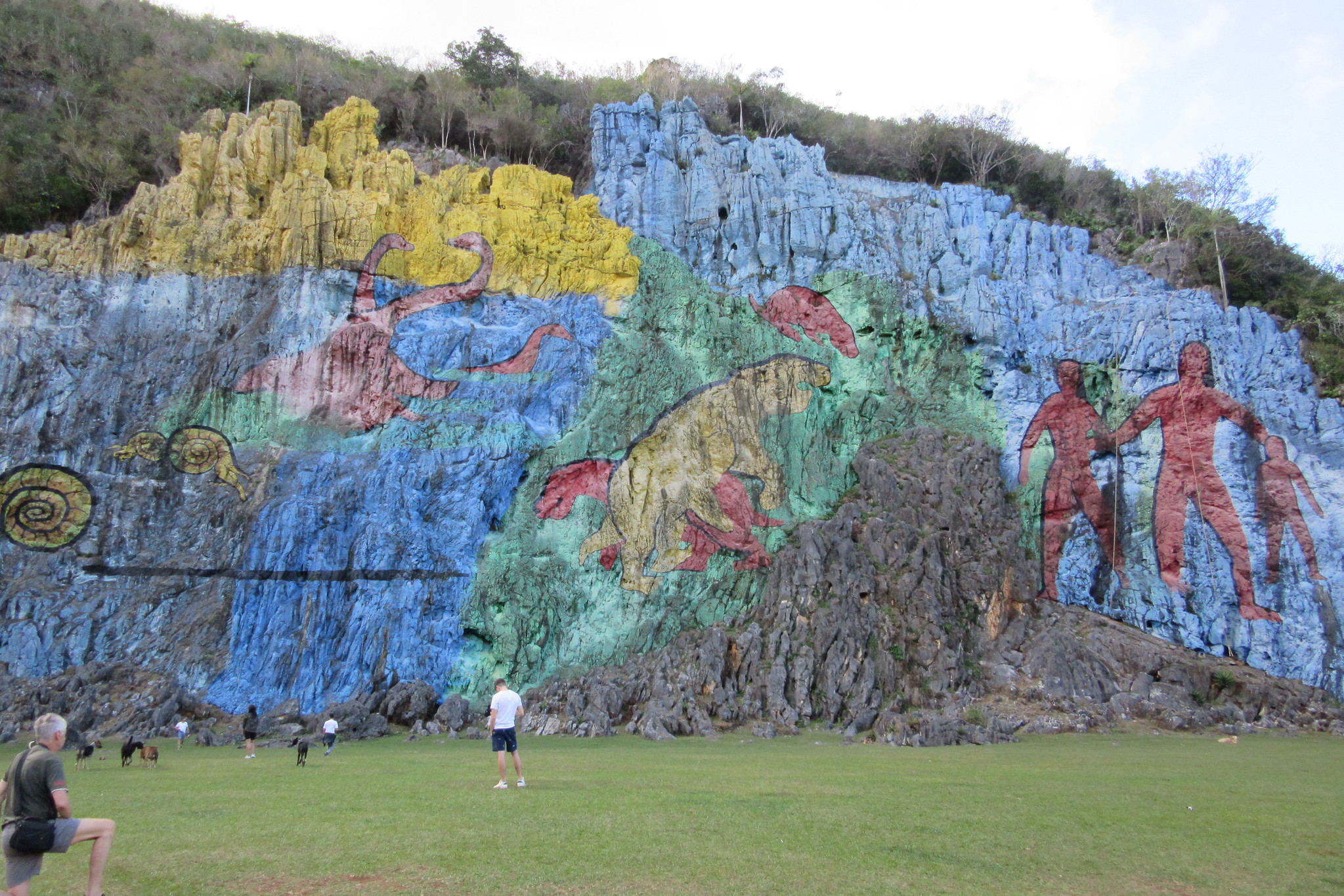
Whilst known as the prehistoric mural, that relates to the subject matter as it was painted by Leovigildo González Morillo commencing in 1961.  It adorns a cliff face in the area and looks more impressive than my photo can convey I fear.  We stay in the same hotel overnight as we have further visits to make in the Vinales area.


A slight disclaimer, this has been written over 6 years after the journey concerned so is very much based around the photographs taken on the day.
Cuba 9.2.20

 
Chicken Vinales 9-2-20

Chicken Vinales 9-2-20

Vinales Area

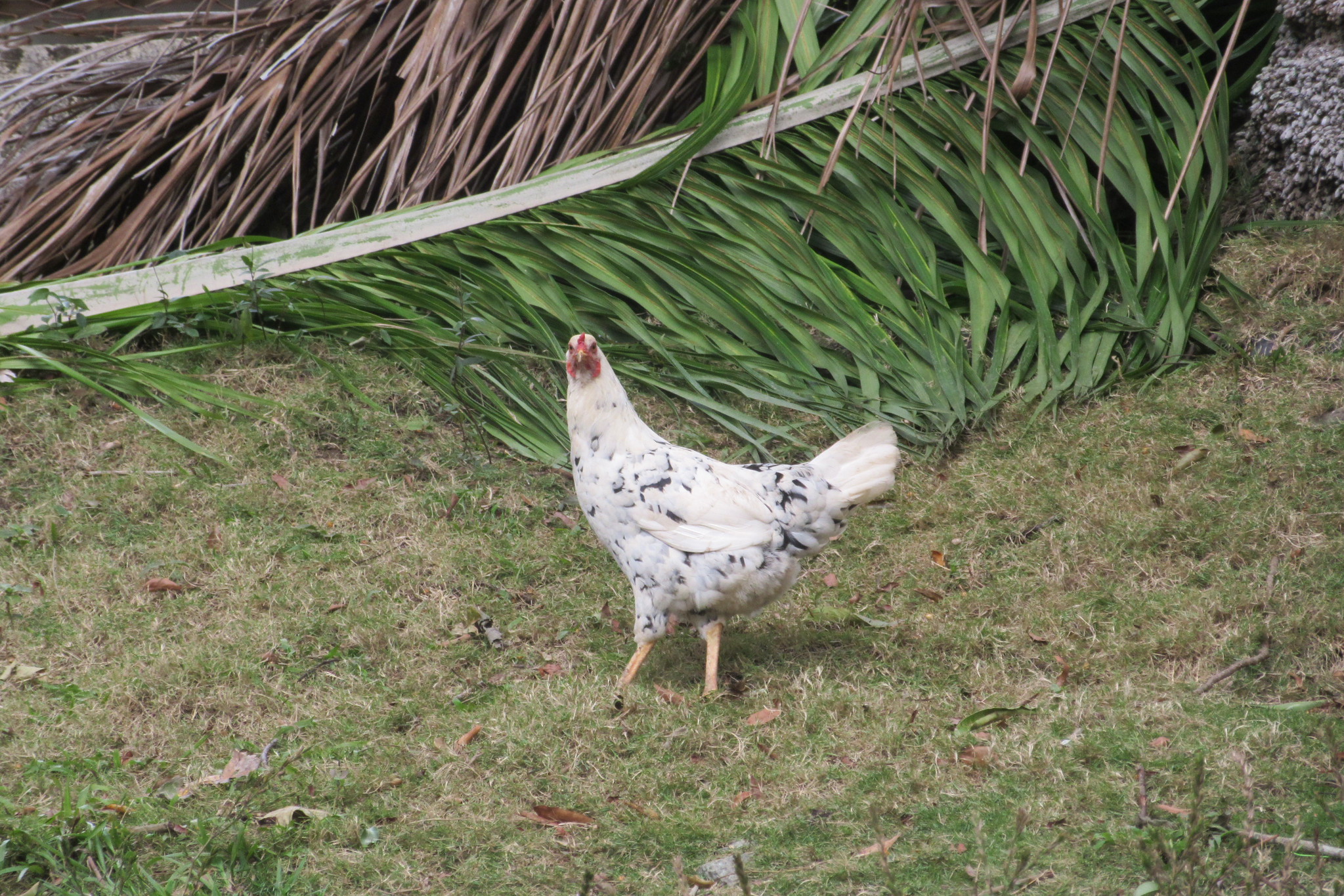
We leave Havana and head west this morning to visit the UNESCO World Heritage area of Vinales which was designated in 1990 to ensure preservation of the typical Cuban housing and local arts and crafts, alongside the landscape.  Looking at my photographs I seem to have spent a lot of time trying to get a decent chicken picture.  I fear I failed completely.  There were however chicken everywhere as I remember.

Washday VInales 9-2-20

Village Washday 9-2-20

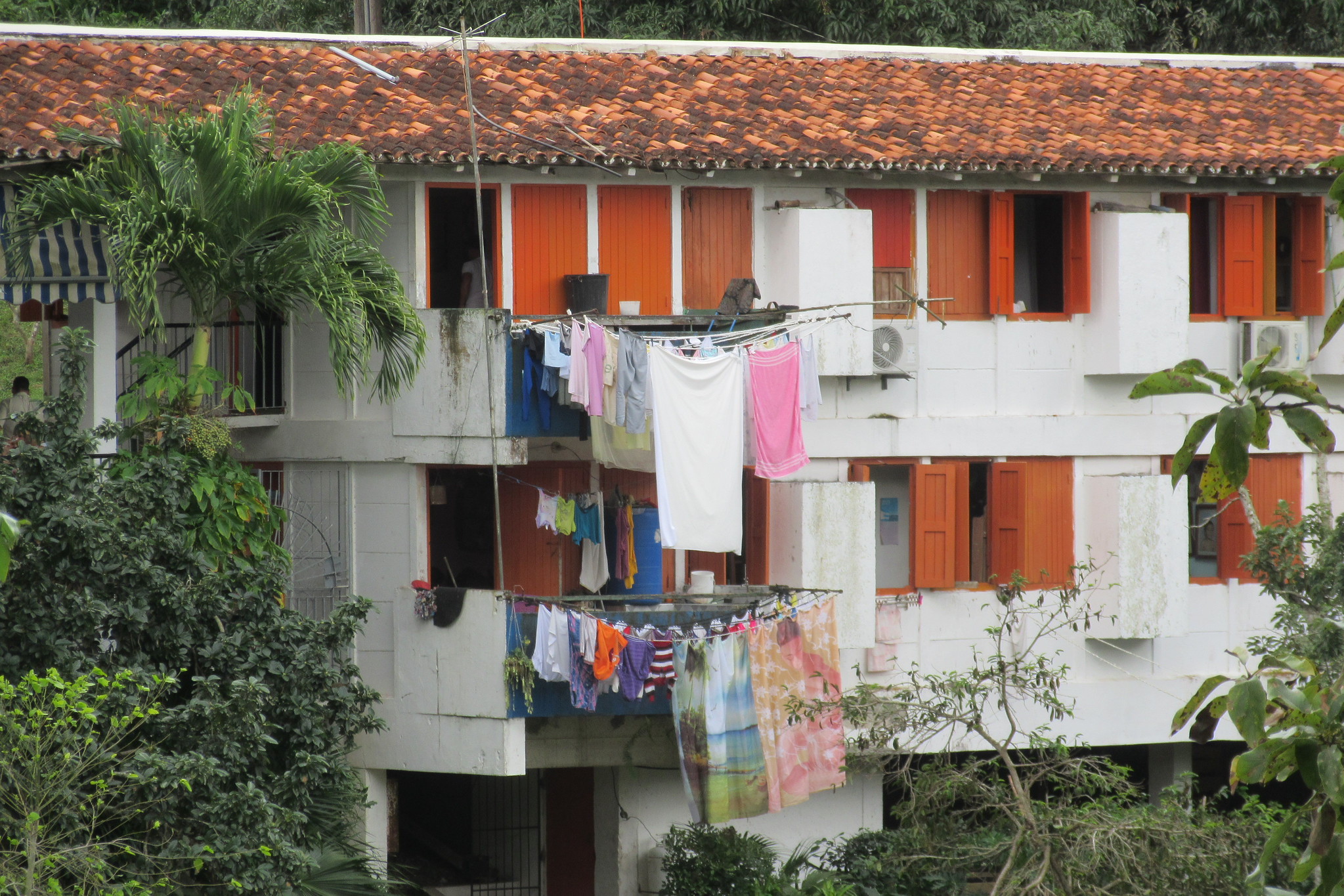
I am not sure if every day is wash day but we were certainly there on a day when there seemed to be a lot of washing being dried – but given the temperature that does not seem unreasonable – all the buildings seemed to be adorned at least partially with such items!

Vinales View 9-2-20

 View Western Cuba 9-2-20

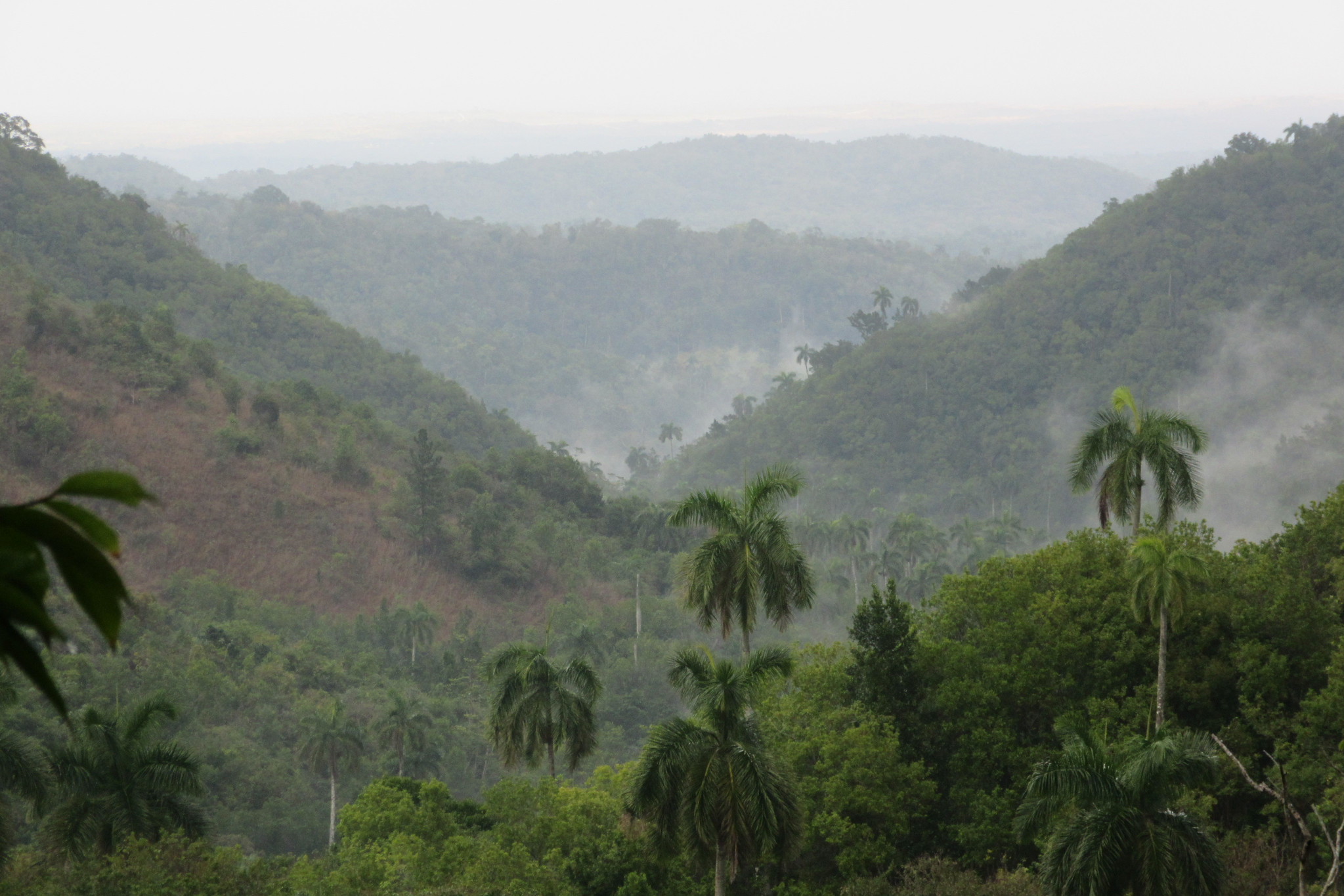
Lunch was taken above the village and was an uphill walk.  The view certainly looked more impressive than my photograph, however this is down into the valley and protected scenic area.

Cafetal Buenvista Coffee Farm ruins 9-2-20

Cafetal Buenvista Coffee Farm ruins 9-2-20

Cafetal Buenavista Coffee Farm

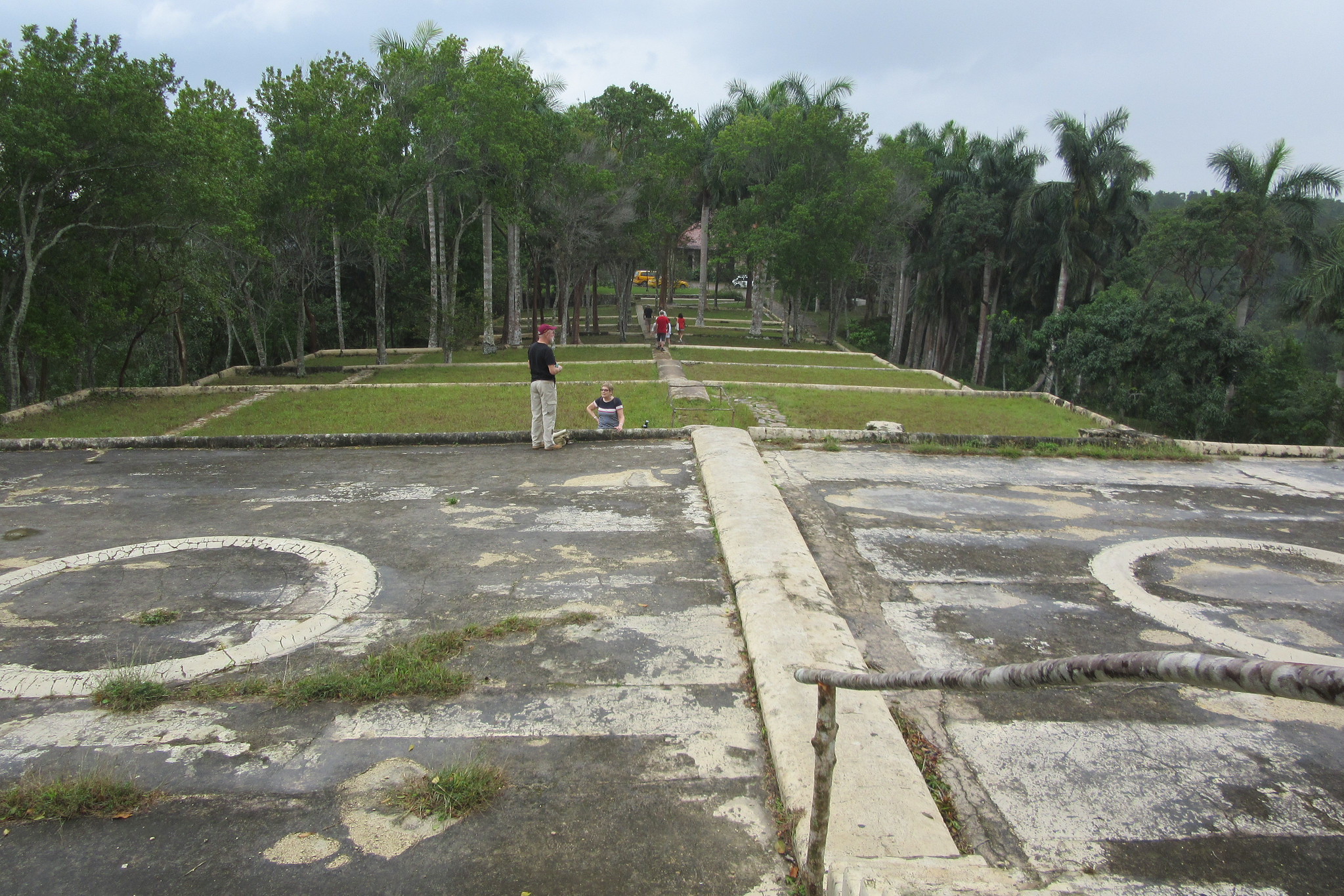
The coffee farm dates back to 1801 commenced by French refugees from Haiti.  The production of coffee has much reduced in Cuba – with many of the plantations failing during the 2007/8 economic difficulties and then the imposition of US trade restrictions.  At the time of our visit the site was supported by visitors but what might have happened since is unknown.

Cafetal Buenavista Coffee Grinding 9-2-20

Cafetal Buenavista Coffee Grinding 9-2-20

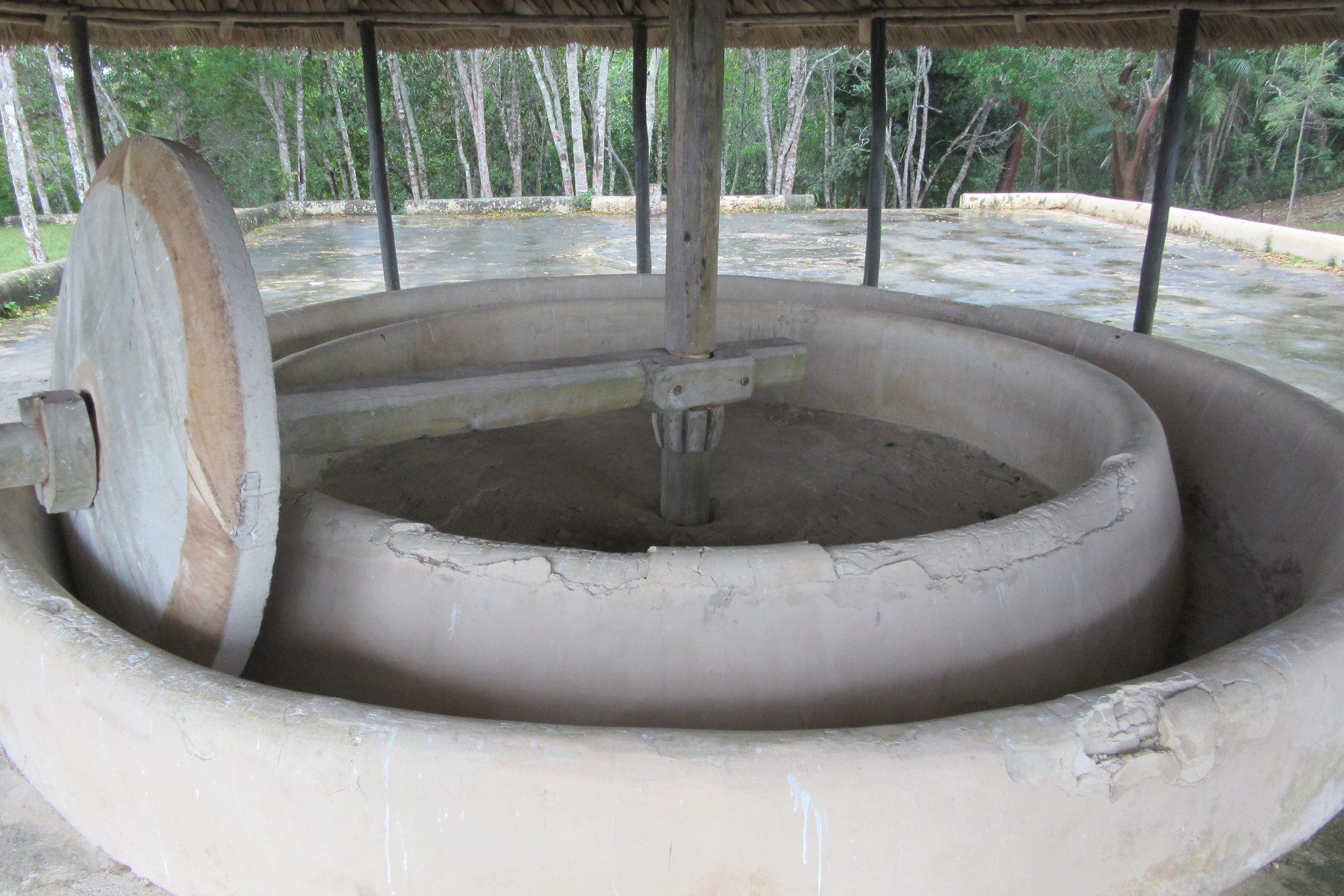
Despite what Bing tried to tell me this is NOT a water pump – it has been restored and it was used to grind the coffee beans.


Vultures 9-2-20

Vultures 9-2-20

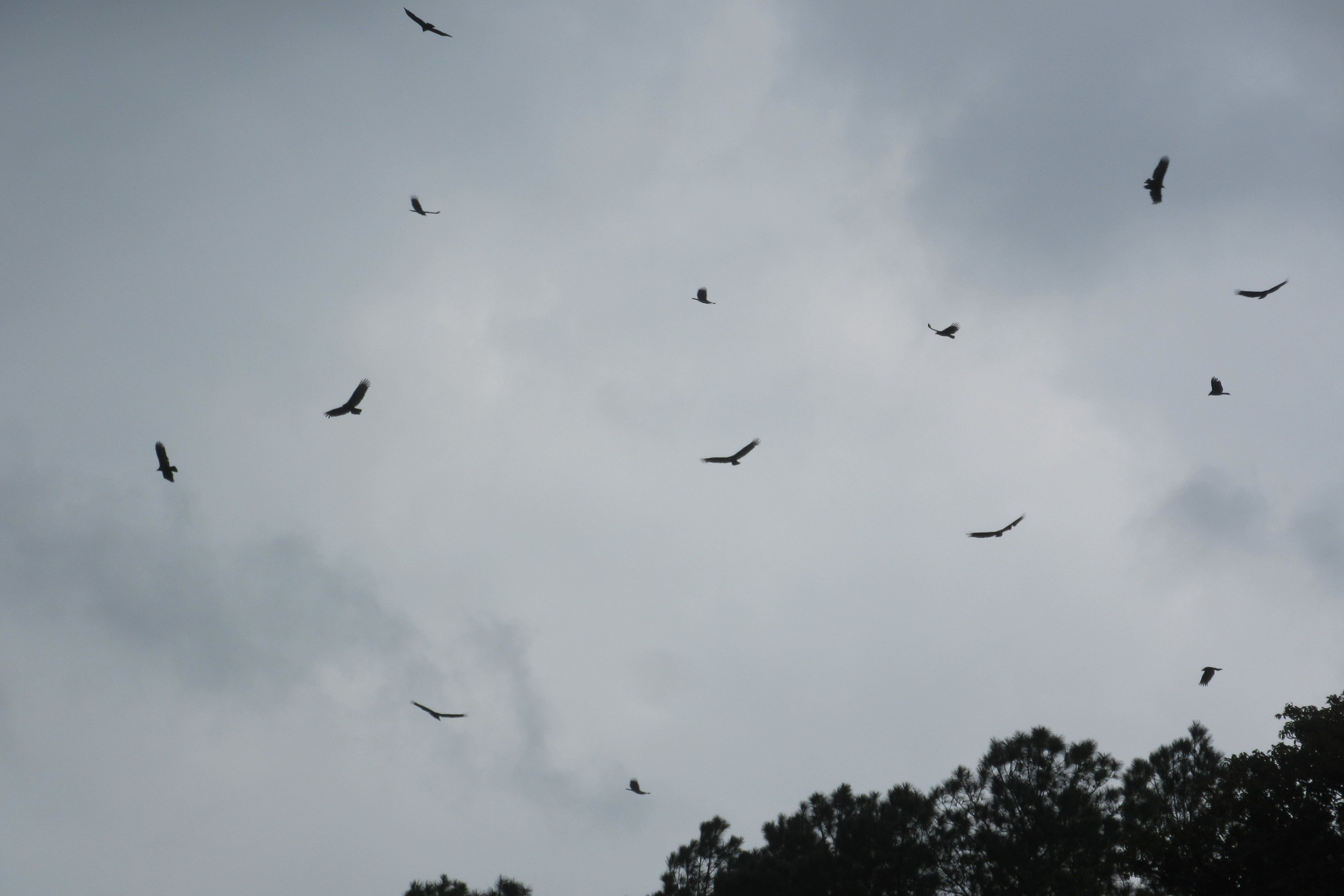
Our presence also managed to disturb some of the local wildlife as we could see it circling above.

Turkey Vulture 9-2-20

Turkey Vulture 9-2-20

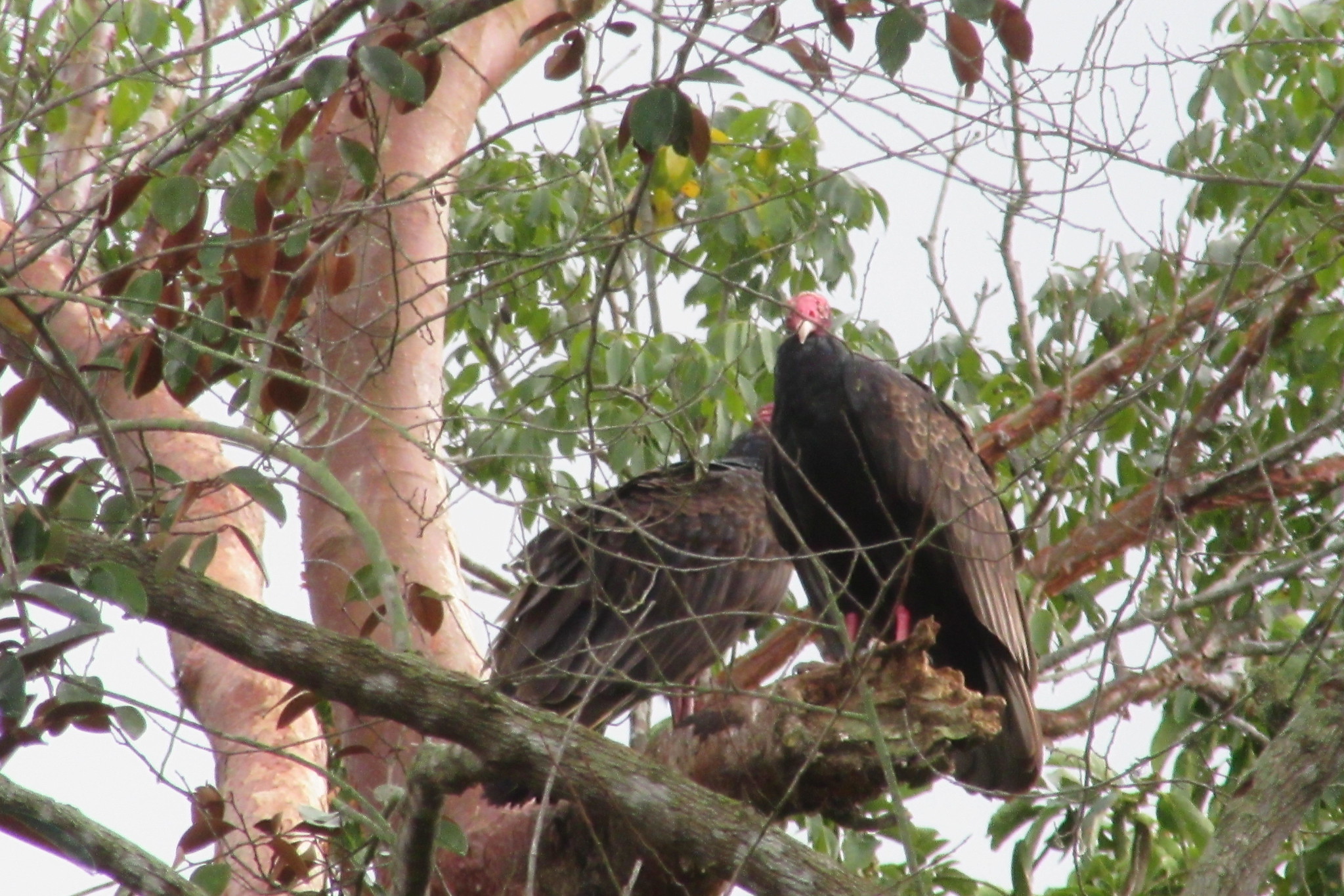
Earlier in the day I did manage to capture some wildlife in a tree.  According to Bing this is a Turkey Vulture from its distinctive red cap to its head.  


A slight disclaimer, this has been written over 6 years after the journey concerned so is very much based around the photographs taken on the day.
« Older posts