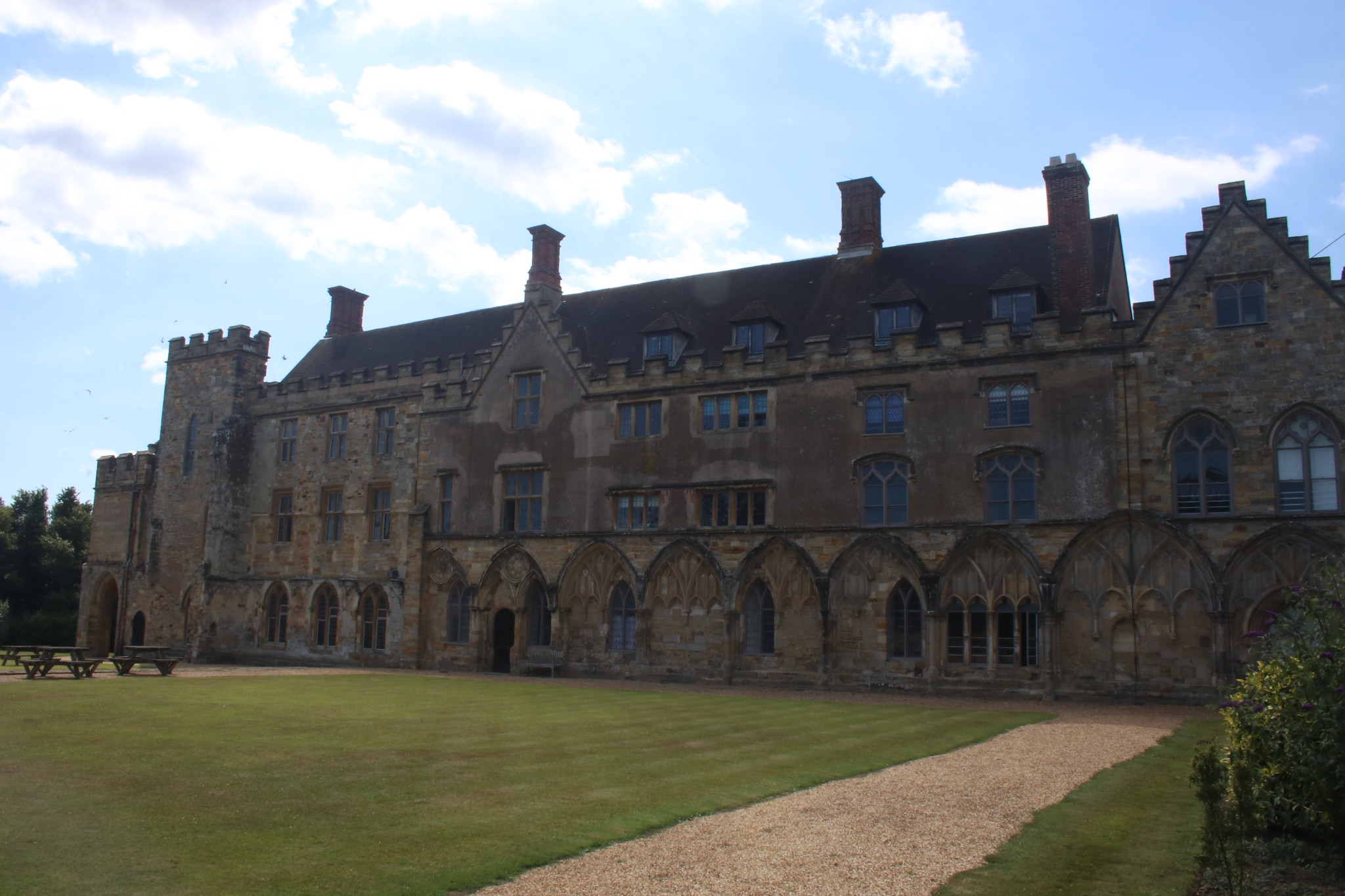
Battle Abbey School 17-7-20
Battle
After a quiet day visiting Hythe for afternoon tea on 16 July we drive to Battle today to visit the site of the Battle of Hastings of 1066. I am not sure if I covered it two or three times in History lessons when growing up but it seemed to be where history commenced as far as the curriculum was concerned in those days so it has been deeply embedded in my memory. The story was recorded in the Bayeux Tapestry which we eventually get to see in 2025 when cruising on the Seine river.
Battle Abbey was constructed on the orders of William I following his victory and was suppressed by Henry VIII during the dissolution of the monasteries. It became a school in 1922 which it remains.
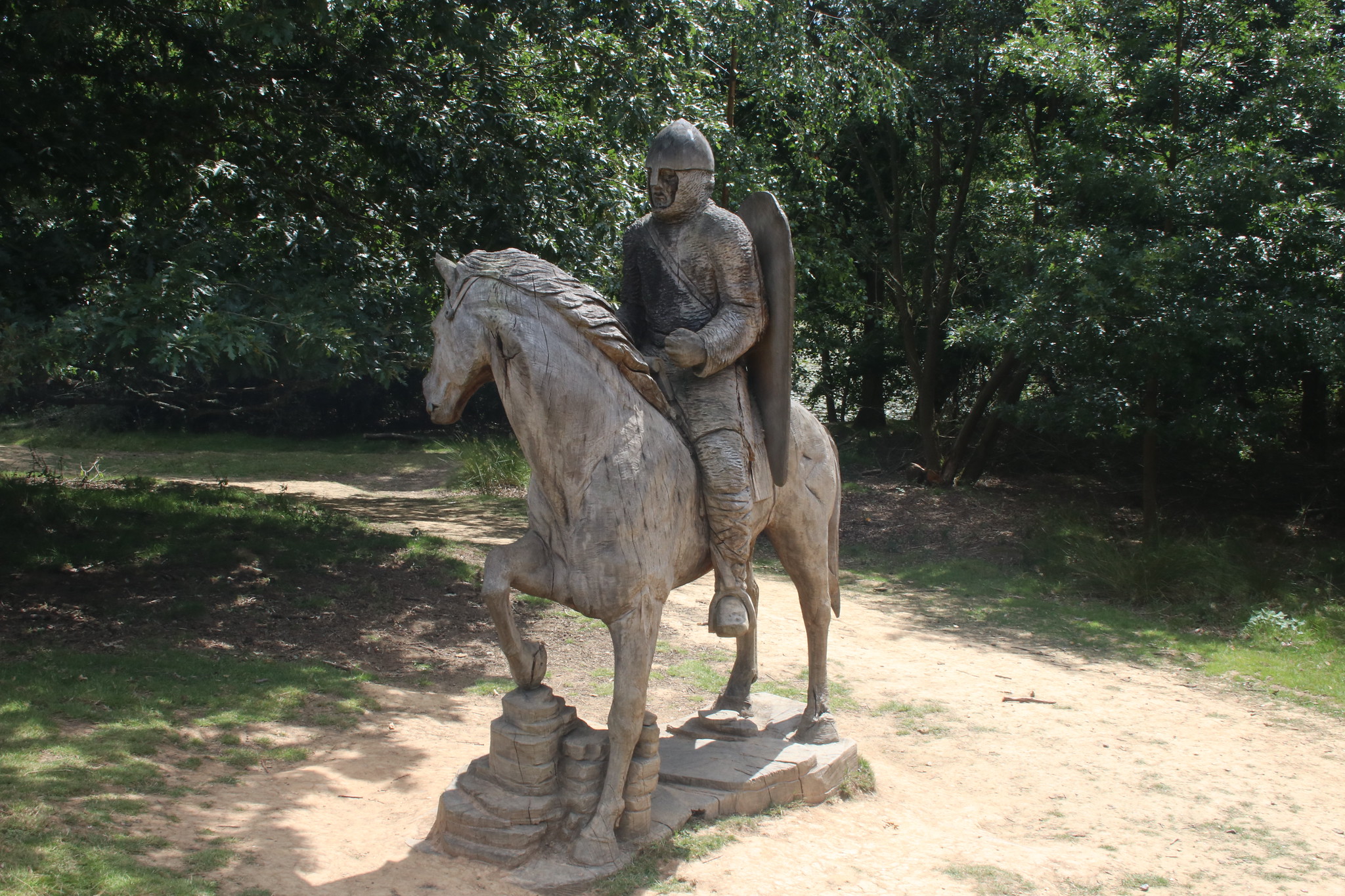
Mounted Knight Battle 17-7-20
There is a marked path around the edge of the battlefield which is adorned by a selection of wooden carved figures depicting some of the possible participants in the events of 1066.
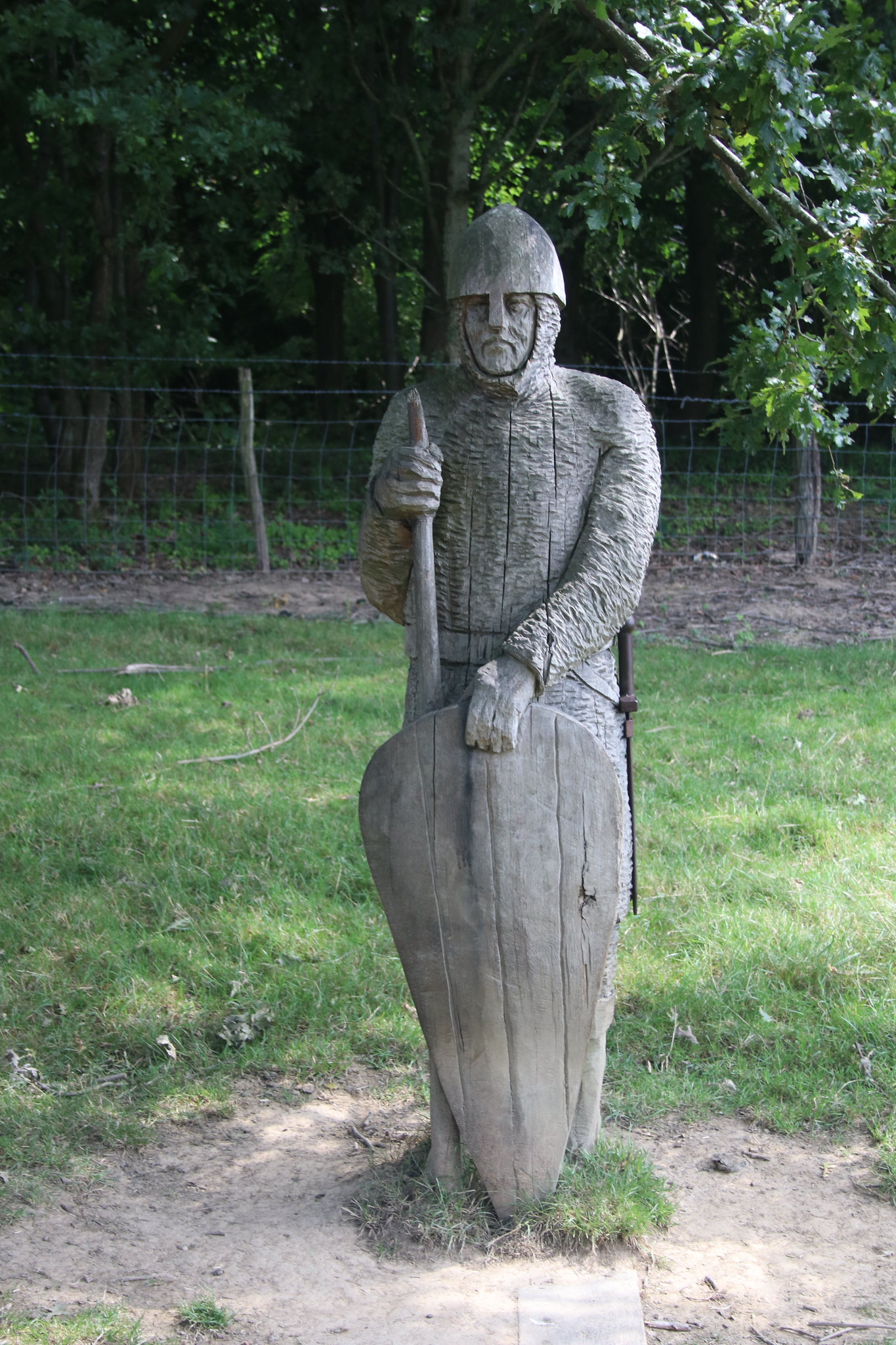
Another fighting fellow Battle 17-7-20
A difficult day for both sides. The English were tired having marched from another battle in the North and so were at a disadvantage. The numbers involved were unknown and the English may have been undone by following the invaders when retreating and allowing a counter charge to break the lines. The numbers involved in the Battle are not known. Inevitably an arrow in the King’s eye was decisive and the Normans conquered. leading to William the Bastard becoming William the Conqueror.
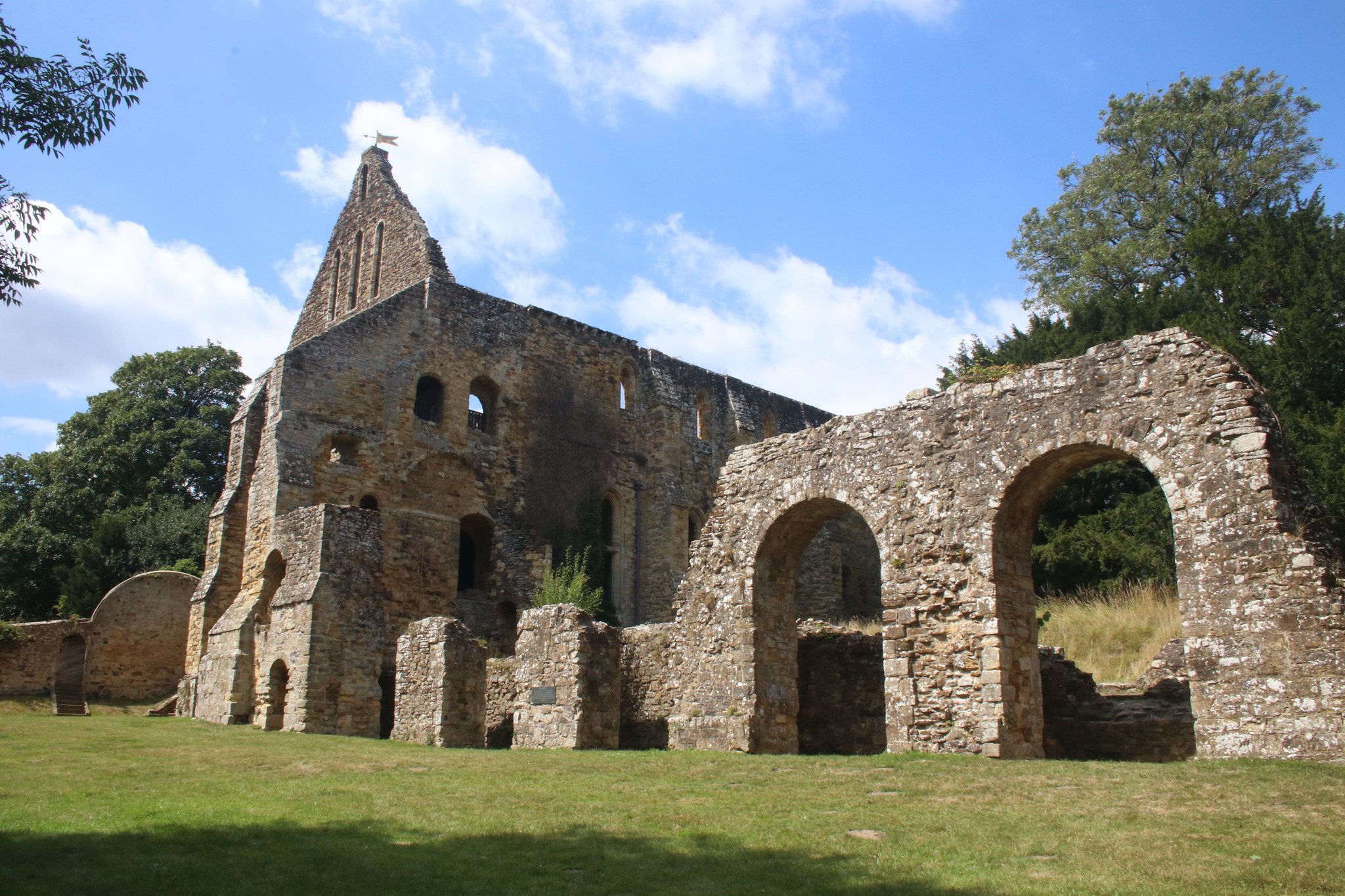
Battle Abbey ruins 17-7-20
Battle Abbey itself was a Benedictine monastery and it derived from the Normans being instructed to undertake penance by Pope Alexander II in recognition of the many killings caused by the invasion and battles. It was finished in 1094 and consecrated during the reign of William II.
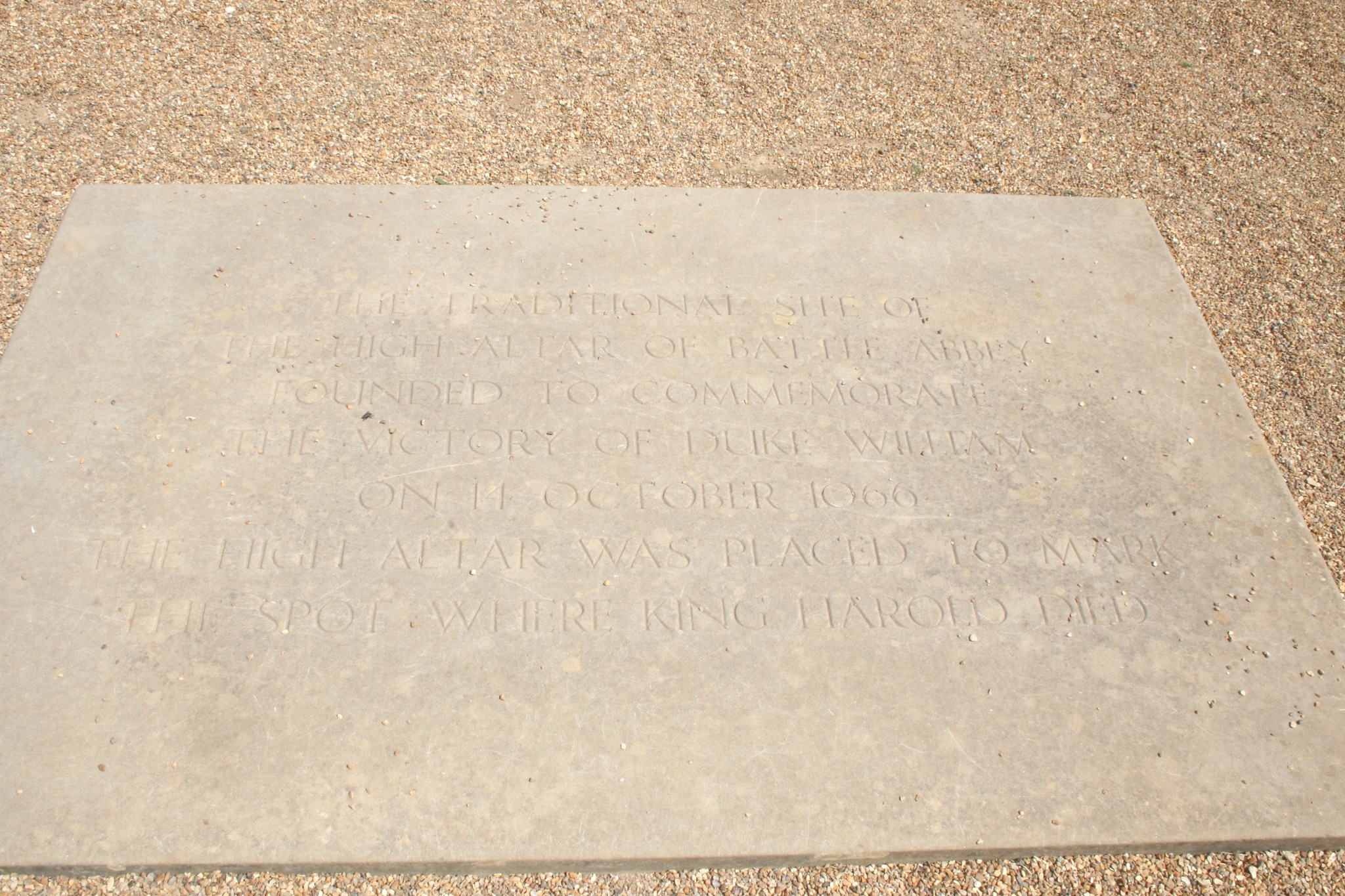
Plaque to mark altar site Battle 17-7-20
The high altar stood on the spot where Harold died and again my inability to take a decent photograph is the only comment I can make.
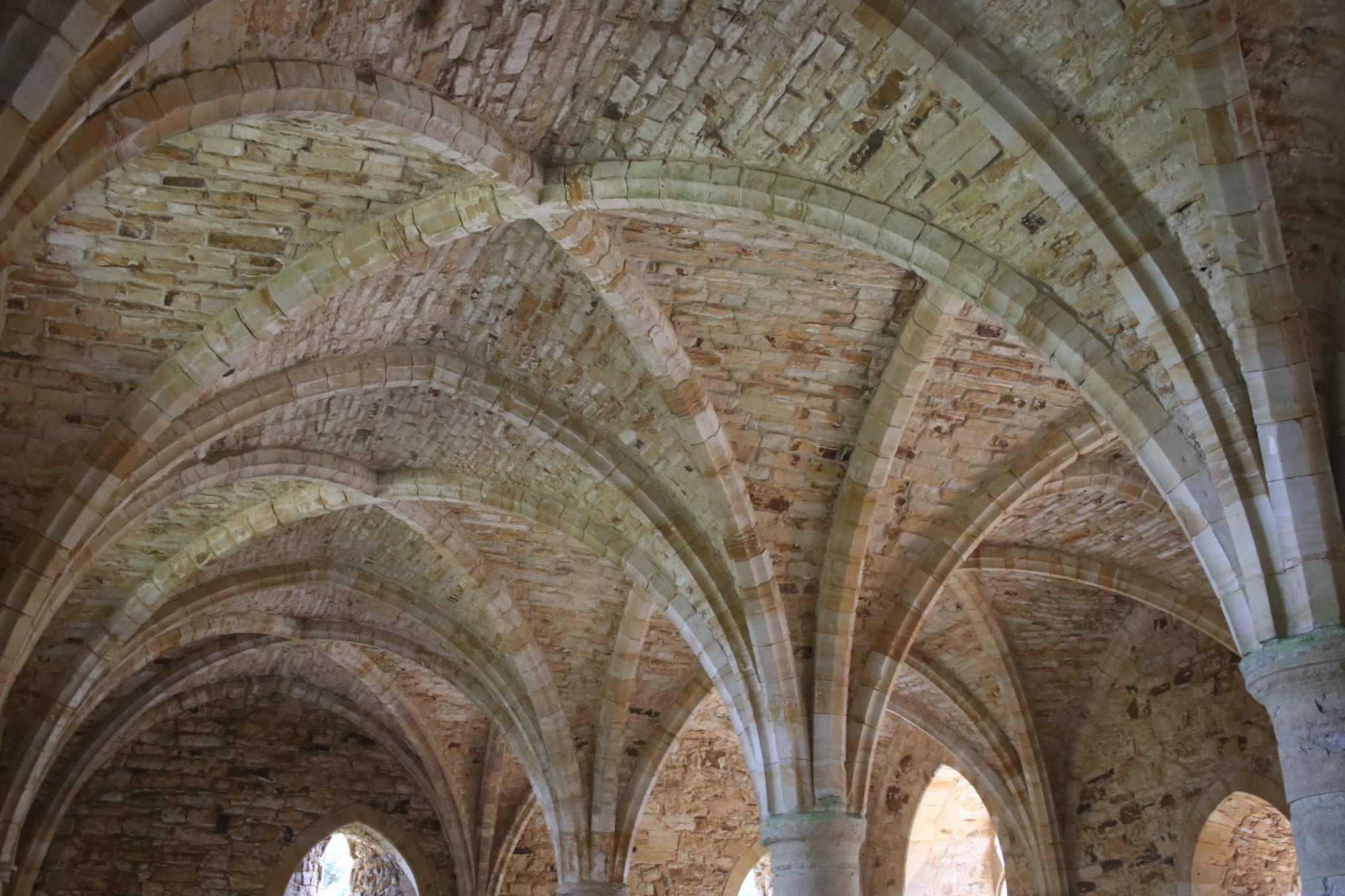
Abbey Brickwork 17-7-20
Some dating exercises indicate that much of the structure which remains is later building work – but whenever it was done the brickwork was some decent work as can be seen.
Saturday 18 July 2020
Time for the return journey which proved to be confusing for one of us. Heading north from Romney towards the M20 motorway the signs helpfully indicate the distance to the Channel Tunnel as well as to centres of habitation. Every time we pass one Jackie helpfully points out that we are getting closer to the Tunnel , as well as everywhere else, (not that we have any intention of going there) and she seems concerned that we are going in completely the wrong direction if we are getting closer to France. Nothing that I can say disabuses her of this conviction until we reach the motorway and there are no longer distances to the Channel Tunnel being shown as it is all behind us now.